



S.F.'s new Salesforce Transit Center open for business
In the future, the Transit Center will link to eleven transit systems, and high-speed rail.

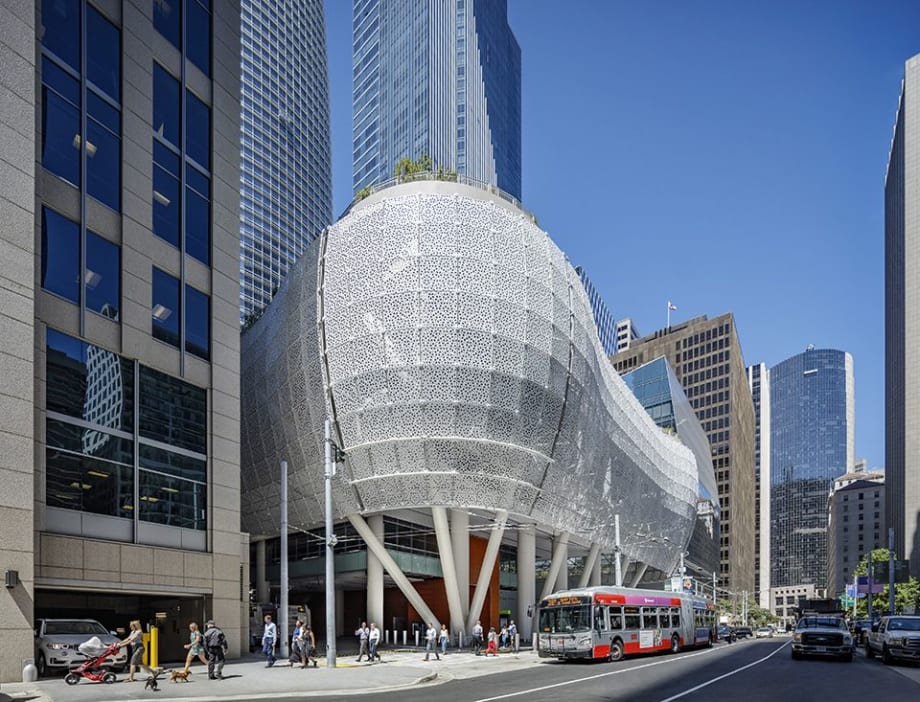
The Transbay Joint Powers Authority (TJPA) officially opened its new Salesforce Transit Center with inaugural Transbay bus service by AC Transit and others on August 12, 2018. Photo: © Tim Griffith

The Transbay Joint Powers Authority (TJPA) officially opened its new Salesforce Transit Center with inaugural Transbay bus service by AC Transit and others. In the future, the Transit Center will link to eleven transit systems, and high-speed rail.
The transit center replaces the seismically deficient Transbay Terminal with a modern regional transportation hub connecting transit systems throughout the Bay Area. It includes a 5.4-acre rooftop public park programmed with year-round free activities, a public art program, and 100,000 square feet of shopping and dining.
At one million square feet, the center stretches four blocks with four stories above ground and two stories below. The transit center will help ease traffic congestion, reduce pollution, and make transit easier and more efficient.

Planning and design is underway for Phase 2; a 1.3-mile Downtown Rail Extension that will bring Caltrain from its current terminus at Fourth and King to the transit center. The center will also be the northern terminus for California’s high-speed rail system.
With more than 600 trees and 16,000 plants incorporated into its rooftop park, the Transit Center's ecosystem will capture 12 tons of carbon annually.
The Transit Center will also reduce greenhouse gas emissions significantly. The annual energy consumption is projected to be 50% lower than the 2008 Title 24 Energy Efficiency Standards. Its associated carbon emissions will be reduced by approximately 40%.

Additionally, the Transit Center’s roof, by virtue of having the park, retains and reuses storm water that would otherwise flow into sewers. The building’s water reuse system is among the first of its kind in San Francisco. It is also the first project in San Francisco with a rooftop wetland filtration system. This will save 13.9 million gallons of water and 17,000 tons of carbon dioxide each year due to water conservation and reuse.
The project is on track to receive a Gold certification under the LEED 2009 rating system.
The center is owned and operated by the TJPA, managed by Lincoln Property Co.,
and designed by award-winning Pelli Clarke Pelli Architects. It was built by Webcor-Obayashi Joint Venture.

The transit center’s name is the result of a naming rights agreement with San Francisco-based cloud computing company, Salesforce.
More Management
Turn Transit Data Into Action
Discover how leading agencies are using connected technology to gain real-time visibility across operations, improve service reliability, and reduce disruptions.
Read More →
What Transit-Oriented Development Means for the Future of Public Transportation
Once viewed primarily as transit operators, agencies are now leveraging land, partnerships, and long-term planning to boost ridership, expand housing, and strengthen communities.
Read More →
USDOT Announces $22 Million for Transit Innovation, Updates High-Speed Rail Rules
New federal transit funding will support safety, accessibility, and technology projects as updated rail regulations establish new noise standards for high-speed trains.
Read More →
Transportation Construction Coalition Unveils Infrastructure Case Studies Ahead of Federal Funding Deadline
The coalition noted the next surface transportation bill should provide sustained investment in highways and public transit to strengthen freight movement, improve safety, and support economic growth.
Read More →
People Movement: American Bus Association Extends Ferguson and More
METRO’s People Movement highlights the latest leadership changes, promotions, and personnel news across the public transit, motorcoach, and people mobility sectors.
Read More →
METRO Magazine Announces 2026 Innovative Solutions Awards Winners
Projects Recognized for Advancing Mobility Through Technology, Accessibility, Workforce Innovation, and Operational Excellence
Read More →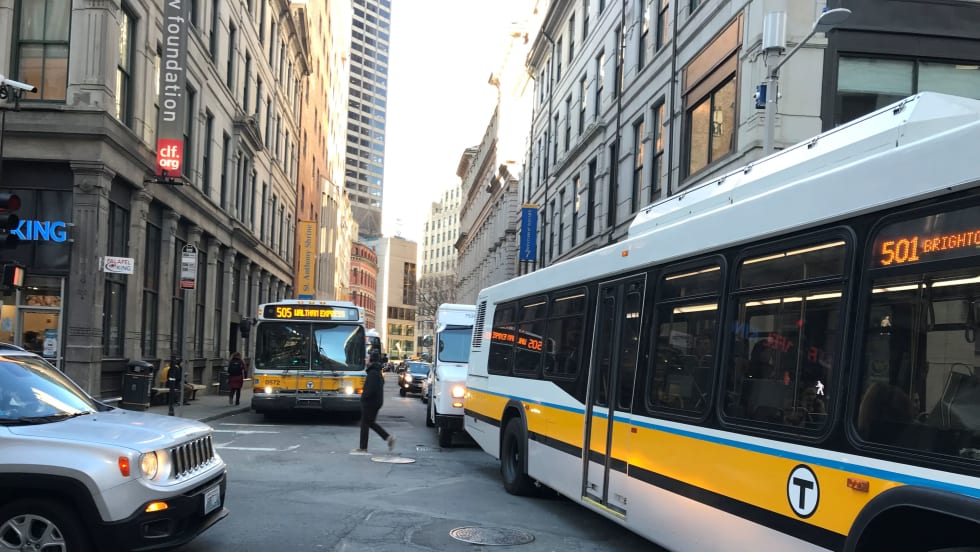
MBTA Rolls Out Pilot Programs to Cut Costs, Simplify Travel
Three new fare pilots — including unlimited two-hour transfers, reduced express bus fares, and free transit for eligible seniors — will launch this fall as Massachusetts extends popular commuter rail discounts through November.
Read More →
FTA Opens $610 Million Funding Opportunity for Bus Infrastructure Projects
The latest Notice of Funding Opportunity provides transit agencies with funding for bus facilities, fleet modernization, and low- and no-emission vehicles, with applications due September 21.
Read More →
Biz Briefs: STV teams with Amtrak, Motorcoach Operators Boost Fleet and Land Contracts, and More
From manufacturers and suppliers to transit agencies and motorcoach operators, these updates offer a snapshot of the projects, partnerships and business moves driving the industry forward.
Read More →
Massachusetts Approves $530M to Strengthen MBTA Operations, Infrastructure
The funding package targets operating stability, capital improvements, and fare affordability, offering a model for agencies navigating long-term funding challenges.
Read More →