NJ TRANSIT set to open Atlantic City Rail Line in Q2
The agency continues to address a continuing shortage of locomotive engineers, as well as equipment availability, as PTC installations and testing continues.
NJ TRANSIT Executive Director Kevin Corbett said the agency is focused on restoring consistent, dependable service.
Sturmovik at English Wikipedia
1 min to read
NJ TRANSIT Executive Director Kevin Corbett said the agency is focused on restoring consistent, dependable service.
Sturmovik at English Wikipedia
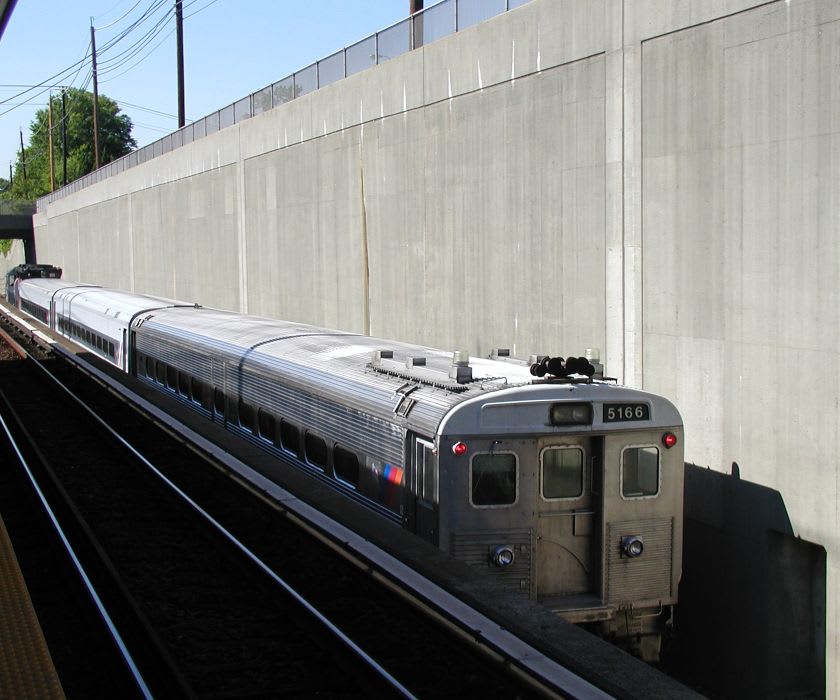
NJ TRANSIT will begin restoring rail service that has been subject to temporary service adjustments in the second quarter of 2019, starting with the Atlantic City Rail Line (ACRL) and the Princeton Branch (Dinky).
The agency continues to address a continuing shortage of locomotive engineers, as well as equipment availability, as positive train control (PTC) installations, maintenance inspections, and testing continues. NJ TRANSIT will communicate updates as new information becomes available.
NJ TRANSIT Executive Director Kevin Corbett said the agency is focused on restoring consistent, dependable service.
“We recognize the impact that these service adjustments have had on our valued customers, particularly those who use our ACRL and Princeton Dinky services. Our goal is to begin restoring a service that remains reliable and predictable for customers as quickly as possible,” Corbett said. “I share our customers’ frustration and thank them for their continued patience during this time.”
METRO’s People Movement highlights the latest leadership changes, promotions, and personnel news across the public transit, motorcoach, and people mobility sectors.
BART began offering select parking lots to non-BART riders to generate new revenue to help address its FY27 $376M operating budget deficit brought on by remote work.
Drawing on decades of industry experience, Evans-Benson offered insights into the differences between the two, along with tips for better customer engagement and more.
The renewals include continued operations at Fort Lauderdale-Hollywood International Airport in Florida; the PRTC in Virginia; and RTC Washoe in Nevada.
The governor’s proposed auto insurance reforms could save the agency $48 million annually by limiting payouts in crashes where buses are not primarily at fault.
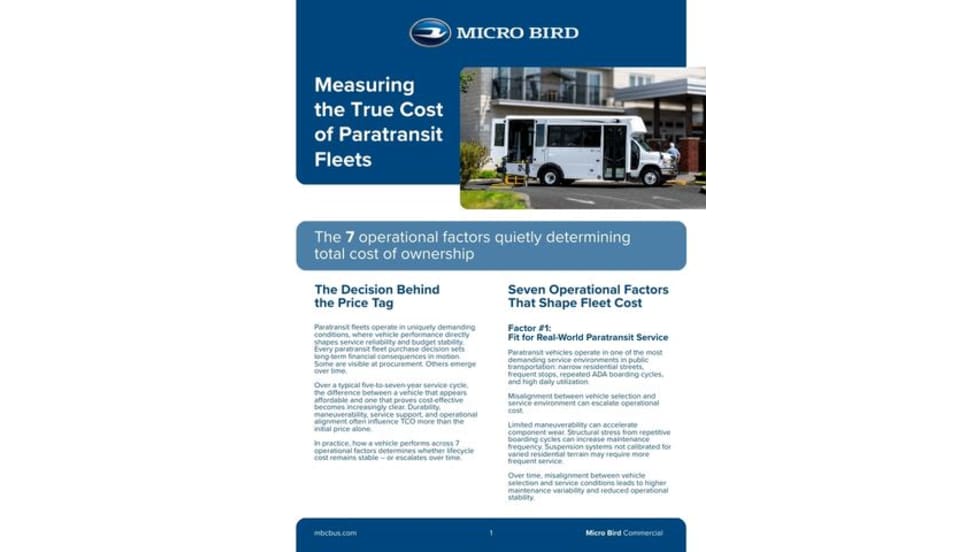
What truly drives the cost of a paratransit fleet? Beyond the purchase price, seven operational factors quietly determine maintenance frequency, downtime, and long-term service reliability. This whitepaper explores how these factors shape lifecycle cost and what agencies should evaluate when selecting paratransit vehicles.
In this conversation, TBC’s Executive Director Ed Redfern, President Corey Aldridge, and Washington Representative Joel Rubin outline the coalition’s key policy priorities, the challenges facing transit agencies, and how industry stakeholders can work together to strengthen the voice of bus transit at the federal level.
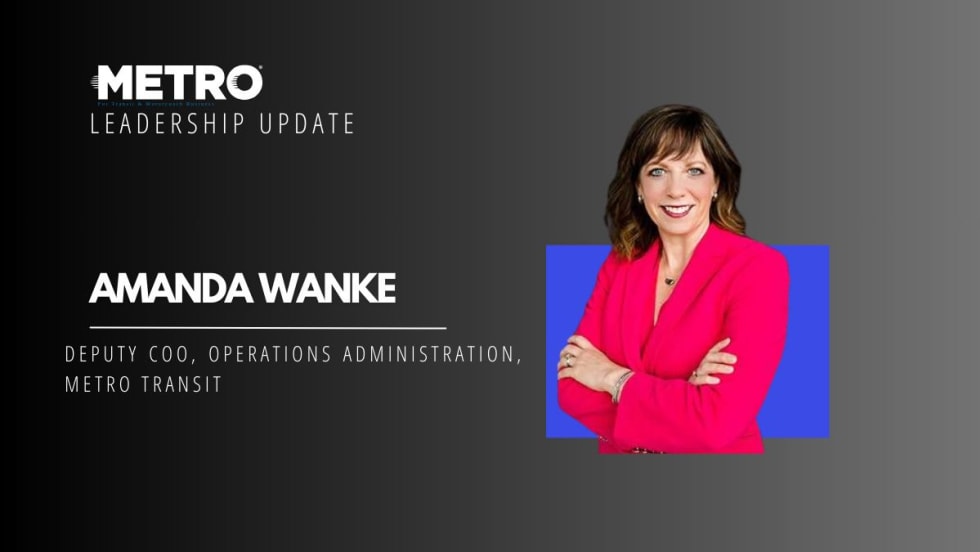
Amanda Wanke, who has worked at DART for 10 years, including the past 2½ years as CEO, will join Metro Transit as deputy chief operating officer, operations administration.