



Cost-Effective Fleet Financing: Strategies for Bus, Motorcoach Companies
While the industry is strong, choosing the right leasing and financing options can be absolutely critical.
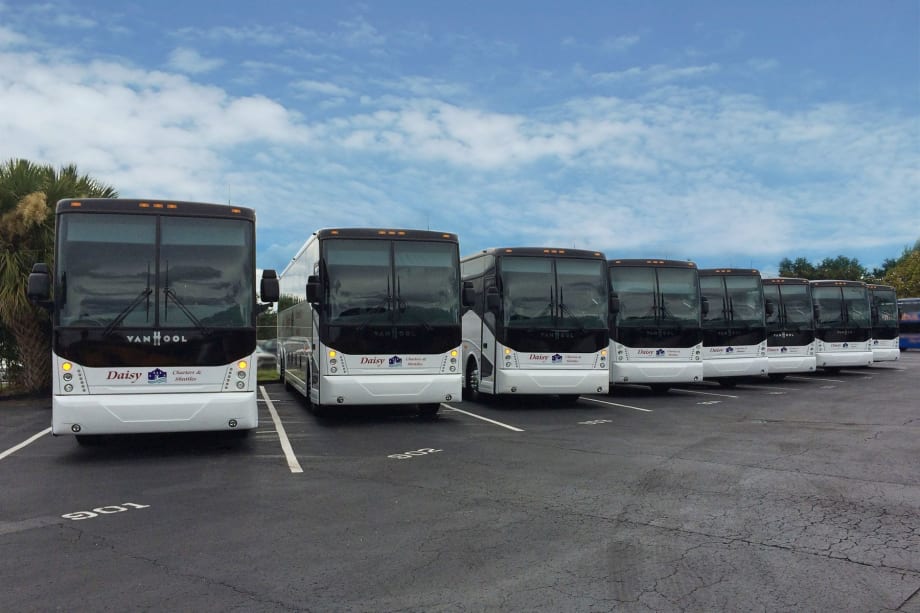
To remain competitive and stay ahead of the curve, some operators may consider leasing on shorter terms that allow for more frequent, seamless, and cost-effective upgrades.
ABC Companies
- Assessing appropriate leasing and financing options is vital for maintaining a strong fleet.
- Effective financing strategies are crucial for optimizing the operational capacity of bus and motorcoach companies.
- Financial decisions directly impact the long-term stability and growth of transportation businesses.
*Summarized by AI
The bus and motorcoach industry is thriving. This success has been driven largely by a strong global economy and the growth of travel and tourism, with travel bookings hitting $1.7 trillion last year.
The sector is also constantly changing in several ways, which presents owners and operators of private-sector specialty, tour, and charter companies with a variety of factors to consider when growing, upgrading, and maintaining their fleets.
With ever-evolving technologies impacting vehicle design, a range of new regulations being introduced, and environmental concerns at the forefront, it’s important for bus and motorcoach company owners and operators to remain informed and prepared as to how these changes can affect their business and cash flow — and, in turn, the ways they acquire and finance their vehicles.
Below, we highlight some trends impacting the industry and discuss how bus and motorcoach companies can leverage various lease types and structures to achieve efficient, cost-effective fleet financing.
Factors Impacting Industry
Rapidly advancing technology is changing how most industries operate, and bus and motorcoach transport is no exception. Further, new regulations and industry standards regarding safety and environmental impact are requiring bus and motorcoach companies to evaluate their operations and, in some cases, vehicles.
One of the major trends driven by technology has been the advancement toward autonomous vehicles. As companies like Google’s Waymo and Intel’s Mobileye are testing autonomous cars, the bus and motorcoach industry is implementing this smart technology as well. In fact, California’s first autonomous bus service began in March 2018 in San Ramon.
In addition to technological advancements, new regulations have been established, affecting the industry as a whole and individual company operations.
For example, as of April 1 of this year, motorcoach drivers in the U.S. who are found to be out of compliance with a new mandate requiring an electronic logging device (ELD) or automatic on-board recording device (AOBRD) can be put out of service for several hours. This means that companies must not only make the initial investment in these devices, but also invest additional time and resources to ensure they are maintained, functioning properly, and in use by all drivers.
Further, environmental concerns have been another leading driver of the changes occurring in the public transportation industry. Several major companies are implementing eco-friendly initiatives.
For example, electric buses are becoming increasingly common to reduce pollution. In fact, the global electric bus market is expected to grow at a CAGR of 30.2% during 2018-2024, which will likely transform fleets in a relatively short amount of time.
Lease Types for Varying Needs
With changes to vehicle technology and industry standards on the horizon, as well as potential increased costs to ensure compliance, the question arises: What is the best way to acquire and maintain bus and motorcoach fleets?
The average lifespan of a motorcoach can range from approximately 12 to 20 years, depending on the mileage traveled and whether the vehicle has undergone proper routine maintenance.
That said, to remain competitive and stay ahead of the curve on efficiency and regulatory compliance, some operators may consider leasing on shorter terms to enable more frequent, seamless, and cost-effective upgrades.
Under a capital lease, a company essentially owns the asset at the end of the lease term. Because some of these commercial vehicles can last up to 20 years, this can be a viable option for fleet owners depending on their specific needs and circumstances.
For example, a vehicle would be owned outright after a seven-year lease term. It could go on to experience another decade of usable life, rendering the purchase a solid investment for the company.
On the other hand, operating leases provide no obligation to own at the end of the lease and involve lower monthly payments. Some companies often favor this leasing option because it allows operators to upgrade their fleet more frequently, reducing maintenance expenses and increasing profits.
Motorcoach operators who offer more high-tech or luxury features as part of their services, or who operate in areas with stricter environmental regulations, might benefit from these structures to enable more frequent fleet updates.
Further, other lease variations that motorcoach fleet operators can consider are terminal rental adjustment clauses, or TRAC, motor vehicle leasing, which is one of the most popular leasing options when it comes to commercial vehicles. This clause requires adjustments to lease payments to compensate for the difference between the vehicle's actual value at lease end and the originally projected amount.
These leases provide financial incentive for the lessee to perform routine maintenance, therefore improving the overall value of the vehicle. Split TRAC leasing structures can be especially useful for bus and motorcoach companies because they entail the lessor assuming some of the estimated residual risk.
Flexible Structures to Match Company Cash Flow
While the industry is strong, choosing the right leasing and financing options can be absolutely critical to maintaining a motorcoach fleet and stable cash flow throughout the short- and long-term.
In addition to lease types, fleet owners should consider leasing payment structures. For instance, the flow of business for many bus and motorcoach companies, such as tour operators, is highly dependent on the season. A company’s slow season can vary by location and the exact services offered.
In some cases, leases can be structured so that payments are nonexistent or minimal during certain months and higher in others. For example, we offer seasonal-payment lease structures, which are highly beneficial for fleet operators that experience low and high seasons. We can structure the lease to fit the operator's specific needs so they don't have to worry about payments when cash flow is slower, whether it’s winter months or a slow season for tours.
The Bottom Line
The bus and motorcoach transportation industry is strong and dynamic. Owners and operators need to consider their specific needs when choosing fleet financing strategies.
For example, if operators are concerned with upfront costs or high monthly payments, a TRAC or split TRAC lease might be a more favorable option. If their business is cyclical, they might consider a seasonal-payment lease to avoid making payments during their less profitable months.
While the bus and motorcoach industry will certainly continue to change due to technological transformations, changing laws, and eco-friendly initiatives, owners and operators can stay ahead and maintain smooth operations by embracing these changes and financing wisely.
About the Author: Austin Wilson is an Account Executive at Summit Funding Group (awilson@4sfg.com)
Quick Answers
Selecting the right leasing option is crucial as it can significantly impact a company's financial health, enabling cost savings and ensuring cash flow optimization.
*Summarized by AI
More New Mobility

From Hardware to Digital Partner: Luminator Charts Its Next Chapter
CEO Magnus Friberg discusses Luminator’s shift toward becoming a digital partner, the growing importance of software and interoperability, and how AI can help agencies improve operations and passenger experience.
Read More →
Biz Briefs: Alstom Lands Canadian Contract, LYT to Supply California TSP, and More
In METRO's latest installment, we take a look at recent news from Complete Coach Works, Beep, FlixBus, and more partnerships making headlines across the transportation sector.
Read More →
CharterUP’s Armir Harris on Technology, AI, and the Future of Group Mobility
In a recent episode of METROspectives, CharterUP Founder/CEO Armir Harris discussed the company’s evolution from an online charter bus marketplace into a technology platform supporting public- and private-sector mobility and much more.
Read More →
Jacksonville’s NAVI Project Charts a New Course for Autonomous Public Transportation
Through its NAVI program, JTA is showing how autonomous vehicles, intelligent infrastructure, and coordinated operations can work together to deliver everyday public transportation.
Read More →
Biz Briefs: Luminator Marks Milestone and More
From manufacturers and suppliers to transit agencies and motorcoach operators, these updates offer a snapshot of the projects, partnerships and business moves driving the industry forward.
Read More →
New Tricks for Old Bureaucracies: Joshua Schank on Making Transit Innovation Stick
Former LA Metro Chief Innovation Officer Joshua Schank discusses why good ideas aren't enough, how transit agencies can overcome resistance to change, and why today's challenges demand more innovation.
Read More →
How DART's GoPass Is Redefining Regional Mobility
Serving 14 transit agencies, GoPass simplifies multimodal travel by allowing riders to plan, pay for, and manage an entire trip through one app.
Read More →
Biz Briefs: OCTA Taps Clean Energy for Hydrogen Station, Stadler to Supply Via Rail Vehicles, and More
From manufacturers and suppliers to transit agencies and motorcoach operators, these updates offer a snapshot of the projects, partnerships and business moves driving the industry forward.
Read More →CharterUP Expands Into New Mobility and Autonomous Transportation
Vice President of New Mobility Stephen Joos discusses how CharterUP is leveraging its nationwide transportation network, technology platform, and autonomous vehicle partnerships to expand into workforce mobility, campus shuttles, and transit solutions.
Read More →
METRO Magazine Announces 2026 Innovative Solutions Awards Winners
Projects Recognized for Advancing Mobility Through Technology, Accessibility, Workforce Innovation, and Operational Excellence
Read More →