



RTC of Southern Nevada adds new app capabilities
Users can now connect to ride-hailing services via the Transit+, or report suspicious activity via Transit Watch.


Since launching in 2016, rideRTC has been downloaded 200,000, allowing users to easily find their bus, plan their trip and buy transit passes conveniently from their smartphone.
RTC of Southern Nevada

Since launching in 2016, rideRTC has been downloaded 200,000, allowing users to easily find their bus, plan their trip and buy transit passes conveniently from their smartphone.
RTC of Southern Nevada
Beginning this month, Las Vegas’ Regional Transportation Commission of Southern Nevada (RTC) users can incorporate Transit+, an enhanced trip planning tool that incorporates multiple ride-share options, and update their rideRTC app to include Transit Watch, a “See Something Say Something” security feature that allows riders to report transit-related offenses and suspicious activity.
“Today, more than 70 percent of our transit customers use smartphones, and we’ve seen more than 200,000 downloads of our rideRTC app so we are excited about the expanded capabilities with Transit Watch and Transit+,” said RTC GM Tina Quigley.
The RTC partnered with Transit in 2016 for the trip planning portion of the rideRTC app. Now, Transit has debuted Transit+, which for the first time ever includes multiple ride-hail operators, such as Uber and Lyft, so users can see all the suggested ride-hailing services available to connect with transit and get them to their final destination. This first-of-its-kind feature allows users to plan, book, and pay for a ride from either Uber or Lyft, while getting real-time updates on their RTC connection — all in one app, reducing waiting times and allowing customers to compare options for connecting to transit.
Transit+ is different from other trip planning apps because it highlights the synergy between ride-hailing and public transportation and how multimodal options can serve the needs of its users. The RTC was selected as one of only eight bus-only transit agencies in North America where Transit+ is launching.
In addition, rideRTC integrated the Transit Watch app developed by The Brass Star Group, which enables passengers to report non-emergency incidents such as transit-related offenses, suspicious activity, and safety issues. These reports go directly to the RTC security’s contractor dispatch center, which will review the submissions and direct them for follow up to the appropriate agency, such as the Las Vegas Metropolitan Police Department. The app is not intended for emergencies; instead, users are urged to call 9-1-1 just as they would in any other emergency.
Both new features are free, and installation of Transit Watch is required to sync with the “Report Incidents” tab of rideRTC.
Since launching in 2016, rideRTC has been downloaded 200,000, allowing users to easily find their bus, plan their trip and buy transit passes conveniently from their smartphone.
More New Mobility

ENC Unveils ZAVIR Medium-Duty Electric Shuttle at APTA EXPO
The new ZAVIR brand targets shuttle and paratransit operations with battery-electric and range-extended electric vehicle options.
Read More →
Public Transit Conference Returning to GFX in 2027, Call for Papers Now Open
The Call for Papers is now open, allowing transit agency professionals and industry experts to help shape the PTC educational program by submitting session ideas for consideration.
Read More →
Everett Transit, Community Transit Outline Consolidation Agreement
The proposed agreement calls for a 50% increase in bus service in Everett, a new microtransit zone, continued paratransit service, and the transfer of Everett Transit operations to Community Transit.
Read More →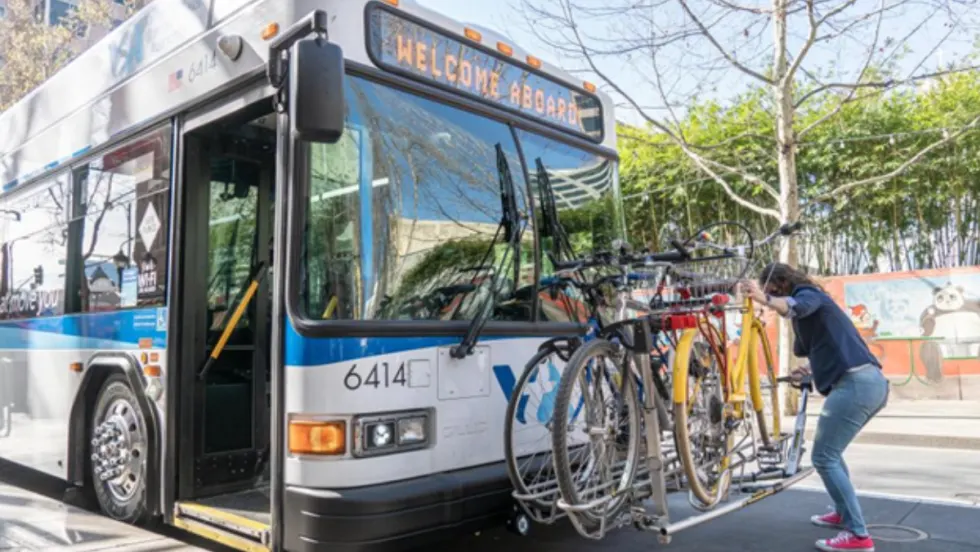
What Multimodal Data Can Tell Transit Agencies About Rider Demand
See how bike-on-bus data is giving transit agencies new insight into rider demand, capacity constraints, and gaps in first- and last-mile connections.
Read More →
From Hardware to Digital Partner: Luminator Charts Its Next Chapter
CEO Magnus Friberg discusses Luminator’s shift toward becoming a digital partner, the growing importance of software and interoperability, and how AI can help agencies improve operations and passenger experience.
Read More →
Biz Briefs: Alstom Lands Canadian Contract, LYT to Supply California TSP, and More
In METRO's latest installment, we take a look at recent news from Complete Coach Works, Beep, FlixBus, and more partnerships making headlines across the transportation sector.
Read More →
CharterUP’s Armir Harris on Technology, AI, and the Future of Group Mobility
In a recent episode of METROspectives, CharterUP Founder/CEO Armir Harris discussed the company’s evolution from an online charter bus marketplace into a technology platform supporting public- and private-sector mobility and much more.
Read More →
Jacksonville’s NAVI Project Charts a New Course for Autonomous Public Transportation
Through its NAVI program, JTA is showing how autonomous vehicles, intelligent infrastructure, and coordinated operations can work together to deliver everyday public transportation.
Read More →
Biz Briefs: Luminator Marks Milestone and More
From manufacturers and suppliers to transit agencies and motorcoach operators, these updates offer a snapshot of the projects, partnerships and business moves driving the industry forward.
Read More →
New Tricks for Old Bureaucracies: Joshua Schank on Making Transit Innovation Stick
Former LA Metro Chief Innovation Officer Joshua Schank discusses why good ideas aren't enough, how transit agencies can overcome resistance to change, and why today's challenges demand more innovation.
Read More →