



Via to provide first-and-last mile services for LA Metro
The value of the year-long pilot is $2.5M, which is funded in part by a $1.35M grant from the FTA.

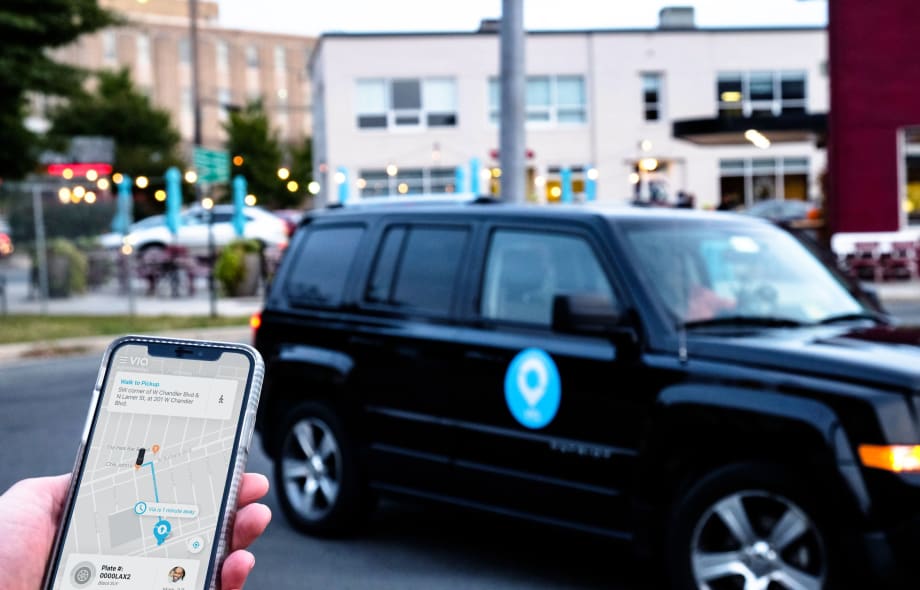
Via, developer of on-demand shared transit solutions, launched a pilot program that provides first-and-last mile solutions for public transportation in Los Angeles County. Image: Via

Via, developer of on-demand shared transit solutions, and the Los Angeles County Metropolitan Transportation Authority (Metro), launched a pilot program that provides first-and-last mile solutions for public transportation in Los Angeles County.
The service utilizes Via’s algorithm to dynamically route shared vehicles to-and-from three Metro stations – Compton (Artesia), El Monte and North Hollywood. The value of the year-long pilot between Via and Metro is $2.5M, which is funded in part by a $1.35M grant from the Federal Transit Administration.
Using the Via app, or a dedicated phone line for users without access to a smartphone, passengers in the three pilot zones will select their pickup and drop-off locations and confirm their ride. All trips must start or end at the Metro station in the zone.

Via’s smart algorithm enables multiple riders to seamlessly share a single vehicle by directing passengers to a nearby corner — a virtual bus stop — allowing for quick and efficient shared trips without lengthy detours that take riders out of their way. This enables Via’s system to transport a high volume of passengers while using a fraction of the number of vehicles utilized by taxis or on-demand car services.
A standard trip costs just $1.75 for riders with a TAP card. LIFE participants — Metro’s low-income fare subsidy program — will ride for free. Those who do not provide a TAP number during account registration will ride for $3.75.
Metro designed the pilot to explore how dynamic, on-demand transportation technology can solve a range of mobility challenges. The main goal of the pilot is to extend the benefits of traditional on-demand services to a wider audience by making the service affordable, equitable and accessible.
Via accepts by credit, debit or pre-paid cards for unbanked riders. Rides can be booked through Via’s app or call center for riders without smartphones, also providing translation services for non-English speakers. Passengers with additional mobility needs will be able to request an accessible vehicle.
More New Mobility
Biz Briefs: OCTA Taps Clean Energy for Hydrogen Station, Stadler to Supply Via Rail Vehicles, and More
From manufacturers and suppliers to transit agencies and motorcoach operators, these updates offer a snapshot of the projects, partnerships and business moves driving the industry forward.
Read More →
CharterUP Expands Into New Mobility and Autonomous Transportation
Vice President of New Mobility Stephen Joos discusses how CharterUP is leveraging its nationwide transportation network, technology platform, and autonomous vehicle partnerships to expand into workforce mobility, campus shuttles, and transit solutions.
Read More →
METRO Magazine Announces 2026 Innovative Solutions Awards Winners
Projects Recognized for Advancing Mobility Through Technology, Accessibility, Workforce Innovation, and Operational Excellence
Read More →
Biz Briefs: STV teams with Amtrak, Motorcoach Operators Boost Fleet and Land Contracts, and More
From manufacturers and suppliers to transit agencies and motorcoach operators, these updates offer a snapshot of the projects, partnerships and business moves driving the industry forward.
Read More →
Biz Briefs: Masabi Teams with St. Louis Metro and More
In METRO's latest installment, we take a look at recent news from Transdev, Hitachi, and more partnerships making headlines across the transportation sector.
Read More →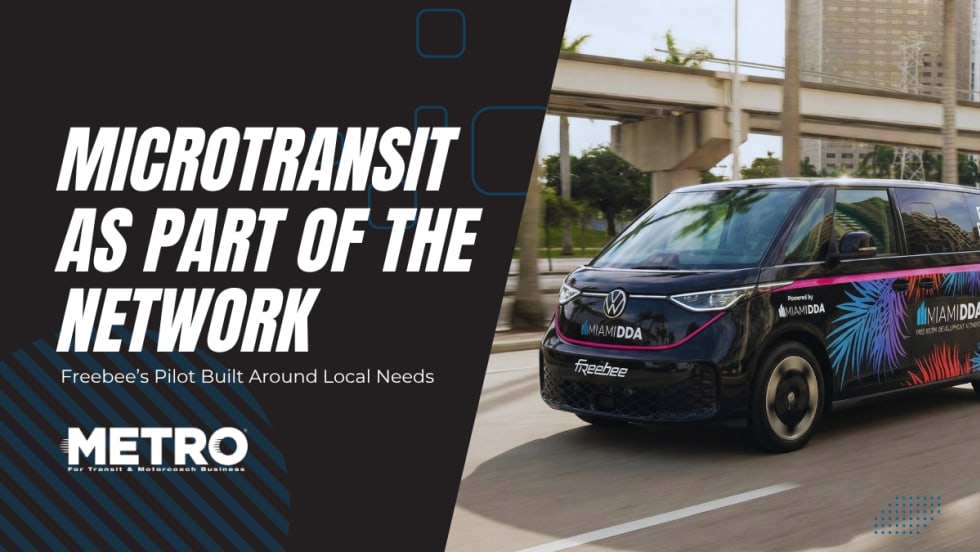
Microtransit's Next Test: Becoming Part of the Network
Freebee shows how electric microtransit is moving beyond pilots to fill network gaps, connect riders to transit, and prove lasting value.
Read More →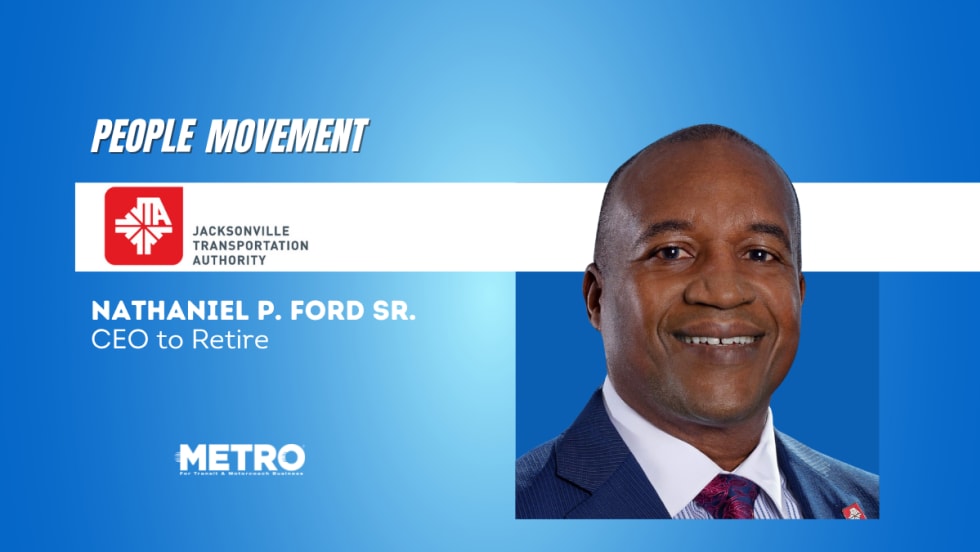
Ford to Leave JTA After More Than 10 Years as CEO
He plans to continue his work advancing innovative mobility solutions to improve the quality of life in communities across the nation. He did not announce specific plans.
Read More →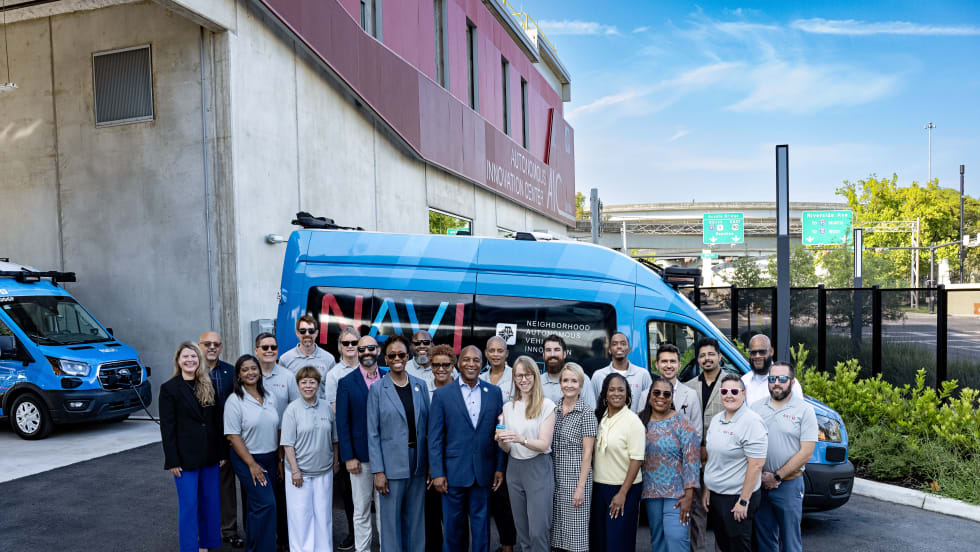
Florida's JTA Marks One Year NAVI Anniversary
During its first year of operation, NAVI has transported over 15,200 passengers and traveled more than 61,000 miles in autonomous mode without a safety incident caused by the autonomous driving system.
Read More →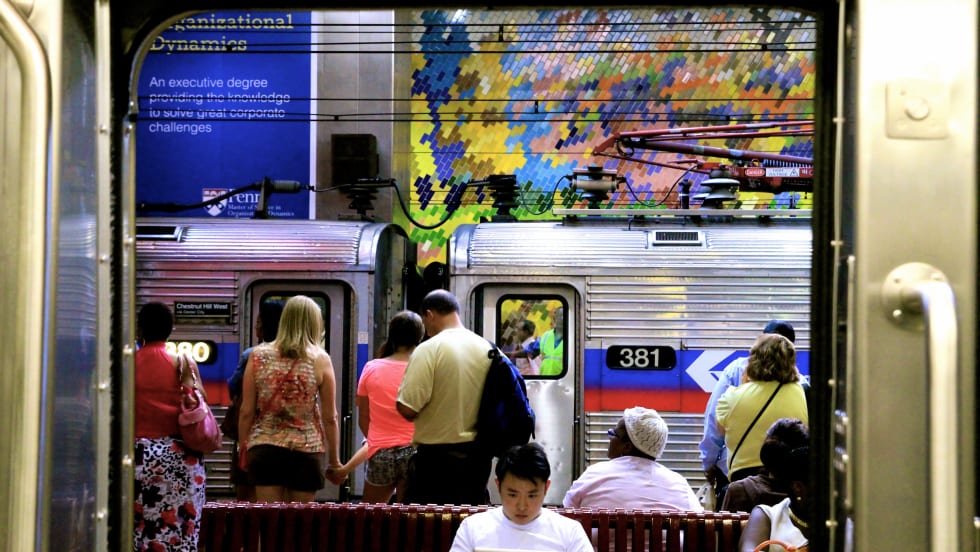
SEPTA Board Approves FY2027 Budget Amid Funding Challenges
The spending plan represents an increase of just 1.9% over the current year and includes investments in new buses, additional full-length fare gates, and other customer enhancements.
Read More →
Biz Briefs: Endera Delivers to California, Safety Vision Teams with San Antonio's VIA, and More
From manufacturers and suppliers to transit agencies and motorcoach operators, these updates offer a snapshot of the projects, partnerships and business moves driving the industry forward.
Read More →