




RELATED: Chicago public transit should integrate ridesharing: Study
NYC ride-sharing study has implications for policymakers
The fact that Uber and Lyft are companies primarily driven by profit raises significant equity concerns.
July 16, 2019

According to new UConn research, ridesharing trips in New York’s five boroughs increased by 46% — 82 million rides annually — from 2014 to 2017.
Lyft
4 min to read

According to new UConn research, ridesharing trips in New York’s five boroughs increased by 46% — 82 million rides annually — from 2014 to 2017.
Lyft
According to new UConn research, ride-sharing trips in New York’s five boroughs increased by 46% — 82 million rides annually — from 2014 to 2017.
What surprised the researchers, however, was that, even within the limits of available data, the surge in ride-share trips that originated outside of Manhattan was apparent and significant. Ride-share trips starting in the outer boroughs have exploded, increasing to 56% of the market in neighborhoods that are typically home to minority and low-income households that do not own vehicles of their own.
“These are really important things that are happening, and they’re changing the city,” said Carol Atkinson-Palombo, a professor in UConn’s Department of Geography, co-director of the Transportation Technology & Society Research Group and the lead author of the study. “We really can’t afford to not have more transparency about what’s going on, because policymakers can’t respond if they don’t have a sense of what’s happening, and we can’t rely on the companies to optimize the public good.”
These neighborhoods have typically been underserved by public transit as well as traditional taxi services, Atkinson-Palombo said, and while companies like Uber and Lyft may well be serving a mobility need, and doing so in a way that is convenient to users, the fact that they are companies primarily driven by profit raises significant equity concerns.
“From one side, the service is filling a gap, and that’s a really positive thing,” said Atkinson-Palombo. “But I think we have some concerns that they are for-profit entities and, at some point, especially now that they’ve gone public, they might need to charge market rates.”
Riders also have no control over weather or traffic conditions that can enable the companies to enact surge pricing, she said, which raises a real vulnerability for users who come to rely on the service.
“Mobility is so important,” she said, “and you can’t be held to ransom….they’re not accountable to anybody and, at the end of the day, their remit is not to provide public transit. Their remit is to make profit.”
The increase in ridership also has implications for cities trying to address greenhouse-gas emission targets and enact climate action plans, Atkinson-Palombo said.
“All of these trips that are being taken are probably something called ‘induced travel,’ so it’s like extra on top,” she said, “and there are going to be greenhouse-gas emission implications from that. Very few of the cars are electric vehicles.”
Increased usage of single-ride vehicles, and the practice known as “deadheading” — where most Uber and Lyft drivers spend a significant portion of time operating without a passenger as they travel from drop-off to pick-up points — all contribute to increased roadway congestion and vehicle tailpipe emissions.
“This has potentially profound impact on climate change and greenhouse-gas emission policies,” Atkinson-Palombo said. “Especially if you’re thinking about the amount of emissions that would be incurred if everybody was moving by Uber and Lyft, because they’re lower occupancy.”
While Atkinson-Palombo said the study was preliminary work, she said it represented “a really good starting point for asking questions” about the impact of increased ride-sharing usage, particularly in areas that are not as densely populated as Manhattan. She said that regulators in New York and in other cities, including Chicago, are starting to tighten up reporting requirements for ride-sharing companies because they understand the need for better data and transparency in the industry.
The researchers intend to more closely examine the advertising and marketing being used by ride-sharing companies to determine if the surge in outer borough usage can be attributed to business strategies targeting so-called “transit deserts.”
“Uber and Lyft, they don’t break even,” Atkinson-Palombo said. “They’re subsidized trips, and so they might be really massively marketing their services at a really heavy discount, but we don’t know because we can’t see any of the pricing data. But we’ll be able to find out from people.”
She said her research group is also working to partner with an advocacy organization, the Tri-State Transportation Campaign, to conduct interviews and focus groups in outer borough neighborhoods — starting in the Bronx and then moving to Queens — to learn directly from ridesharing drivers and users why and under what circumstances riders choose to use the services and how policymakers might best meet their mobility needs.
“These patterns have revealed that there’s demand in this particular corridor,” Atkinson-Palombo said. “Now, can we either do something that’s kind of a partnership with transit, or can transit come in and see whether they want to fill that gap.”
More New Mobility

ENC Unveils ZAVIR Medium-Duty Electric Shuttle at APTA EXPO
The new ZAVIR brand targets shuttle and paratransit operations with battery-electric and range-extended electric vehicle options.
Read More →
Public Transit Conference Returning to GFX in 2027, Call for Papers Now Open
The Call for Papers is now open, allowing transit agency professionals and industry experts to help shape the PTC educational program by submitting session ideas for consideration.
Read More →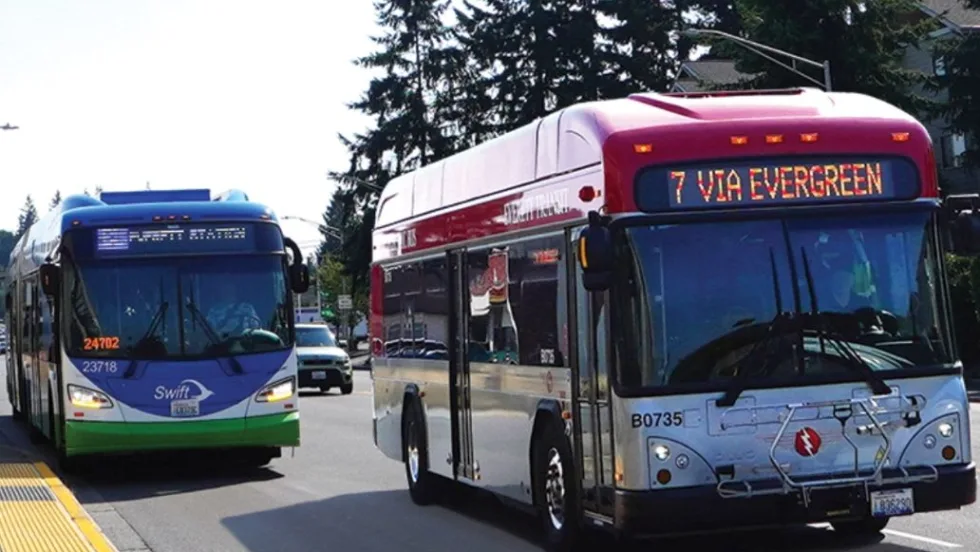
Everett Transit, Community Transit Outline Consolidation Agreement
The proposed agreement calls for a 50% increase in bus service in Everett, a new microtransit zone, continued paratransit service, and the transfer of Everett Transit operations to Community Transit.
Read More →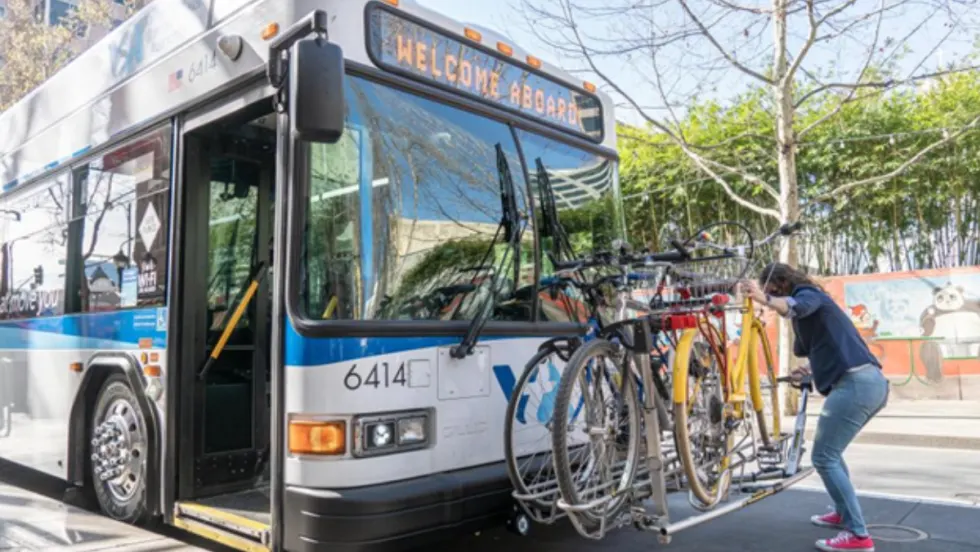
What Multimodal Data Can Tell Transit Agencies About Rider Demand
See how bike-on-bus data is giving transit agencies new insight into rider demand, capacity constraints, and gaps in first- and last-mile connections.
Read More →
From Hardware to Digital Partner: Luminator Charts Its Next Chapter
CEO Magnus Friberg discusses Luminator’s shift toward becoming a digital partner, the growing importance of software and interoperability, and how AI can help agencies improve operations and passenger experience.
Read More →
Biz Briefs: Alstom Lands Canadian Contract, LYT to Supply California TSP, and More
In METRO's latest installment, we take a look at recent news from Complete Coach Works, Beep, FlixBus, and more partnerships making headlines across the transportation sector.
Read More →
CharterUP’s Armir Harris on Technology, AI, and the Future of Group Mobility
In a recent episode of METROspectives, CharterUP Founder/CEO Armir Harris discussed the company’s evolution from an online charter bus marketplace into a technology platform supporting public- and private-sector mobility and much more.
Read More →
Jacksonville’s NAVI Project Charts a New Course for Autonomous Public Transportation
Through its NAVI program, JTA is showing how autonomous vehicles, intelligent infrastructure, and coordinated operations can work together to deliver everyday public transportation.
Read More →
Biz Briefs: Luminator Marks Milestone and More
From manufacturers and suppliers to transit agencies and motorcoach operators, these updates offer a snapshot of the projects, partnerships and business moves driving the industry forward.
Read More →
New Tricks for Old Bureaucracies: Joshua Schank on Making Transit Innovation Stick
Former LA Metro Chief Innovation Officer Joshua Schank discusses why good ideas aren't enough, how transit agencies can overcome resistance to change, and why today's challenges demand more innovation.
Read More →