



Worcester Regional Transit lands grant for microtransit service
The project with Via will be the first public-private transit partnership in the Central Massachusetts region that will introduce on-demand transportation.

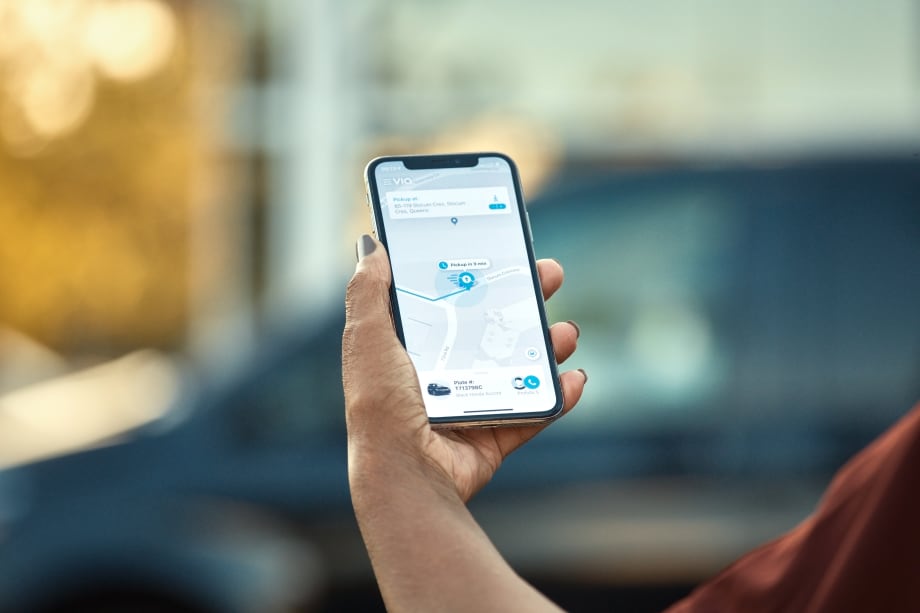
Via is not only a technology provider, but has the operational know-how to create a scalable, customizable technology to offer to the public sector.
Via

The Massachusetts-based Worcester Regional Transit Authority (WRTA) received $459,430 in Discretionary Funding from MassDOT to pilot an on-demand microtransit service with Via in Westborough.
The project will be the first public-private transit partnership in the Central Massachusetts region that will introduce on-demand microtransit. The project will replace the community shuttle the WRTA currently operates in Town of Westborough, and it will provide a “Transportation-as-a-Service” (TaaS) model to the WRTA using Via, a private provider.
Via’s technology directs passengers to a nearby virtual bus stop within a short walking distance for pick up and drop off, allowing for quick and efficient shared trips without lengthy detours, or inconvenient fixed routes and schedules. The technology enables on-demand, shared rides through routing determined by Via’s algorithm. Via is not only a technology provider, but has the operational know-how to create a scalable, customizable technology to offer to the public sector.
The company has already partnered with some of the world’s largest public transit agencies to solve pressing transportation needs, including the Los Angeles Metro, Transport for London, Sydney’s Transport for New South Wales, and Berlin’s Berliner Verkehrsbetriebe.
More New Mobility

SEPTA Board Approves FY2027 Budget Amid Funding Challenges
The spending plan represents an increase of just 1.9% over the current year and includes investments in new buses, additional full-length fare gates, and other customer enhancements.
Read More →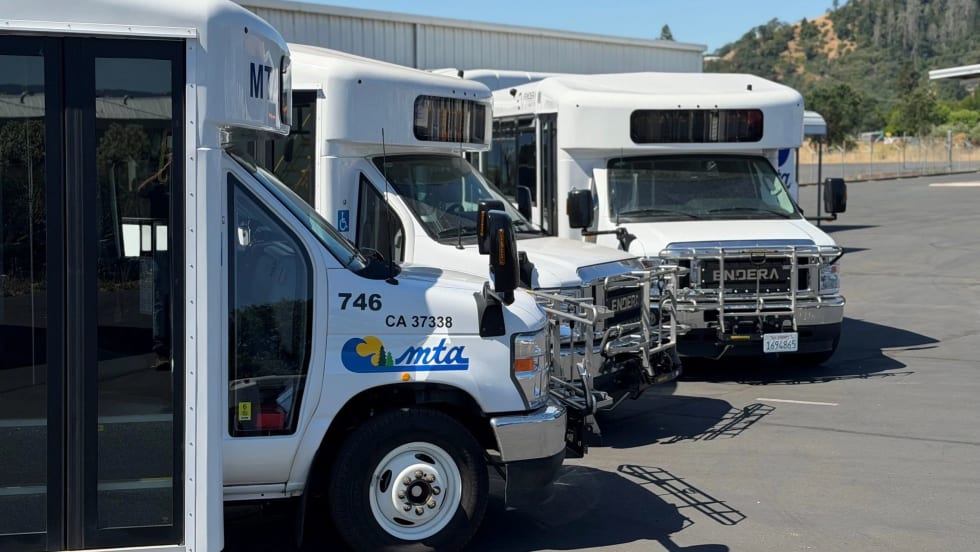
Biz Briefs: Endera Delivers to California, Safety Vision Teams with San Antonio's VIA, and More
From manufacturers and suppliers to transit agencies and motorcoach operators, these updates offer a snapshot of the projects, partnerships and business moves driving the industry forward.
Read More →
Modernizing Mobility with CharterUP CEO Armir Harris
From digital transformation to evolving customer demands, CharterUP's Armir Harris offers his perspective on the transportation industry's next chapter.
Read More →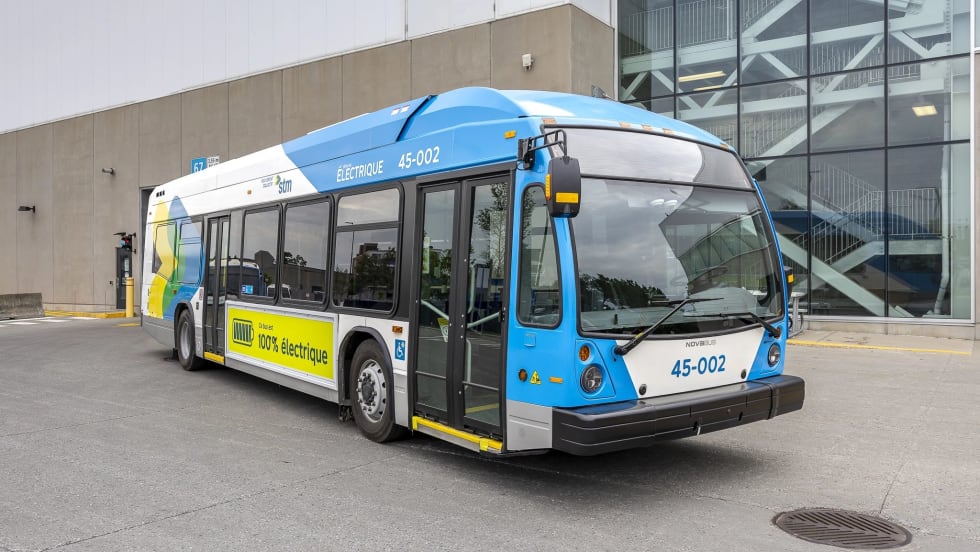
Biz Briefs: Montréal Debuts Nova Electric Buses and More
In this edition of Biz Briefs, we spotlight the latest developments shaping the future of mobility.
Read More →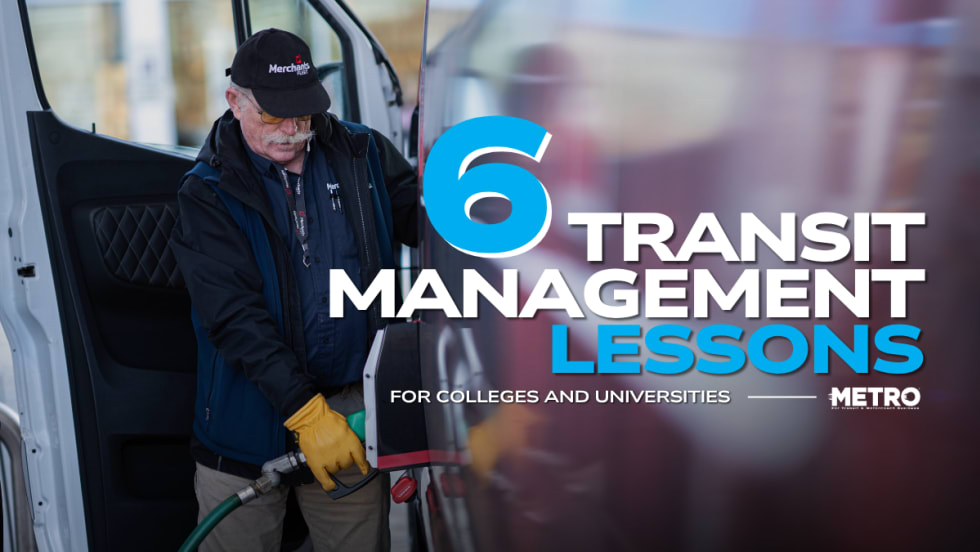
6 Transit Management Lessons for Colleges and Universities Facing Seasonal Demand Swings
College transportation demand swings wildly throughout the year. Fleet strategies are starting to catch up.
Read More →
METROspectives: CharterUP CEO Armir Harris on Modernizing Mobility
From digital transformation to evolving customer demands, CharterUP's CEO Armir Harris offers his perspective on the transportation industry's next chapter.
Read More →Joshua Schank on Transportation Innovation, Risk, and the Future of Mobility
In this edition of METROspectives, Joshua Schank discusses lessons from launching LA Metro’s Office of Extraordinary Innovation, the challenges of advancing new mobility technologies, and much more.
Read More →
Low-Floor vs. High-Floor Cutaway vs. Modified Van: How 3 Accessible Minibus Designs Compare
As transit demands evolve, so should your fleet. Download the whitepaper to see how the Low-Floor Frontrunner Minibus compares to traditional options.
Read More →
Joshua Schank on Transportation Innovation, Risk, and the Future of Mobility
In this edition of METROspectives, the co-author of New Tricks for Old Bureaucracies, discusses lessons from launching LA Metro’s Office of Extraordinary Innovation, the challenges of advancing new mobility technologies, and much more.
Read More →
Biz Briefs: Foothill Gold Line Award, Matawan Contract, and More
From strategic partnerships to acquisitions and service expansions, the industry continues to evolve at a rapid pace. Find out all the latest here.
Read More →