



How to Manage the Scene of a Motorcoach Accident or Crisis
By having a crisis/accident management plan in place and properly training your drivers in executing it, you can help keep them safe, and protect your passengers and your company’s reputation.
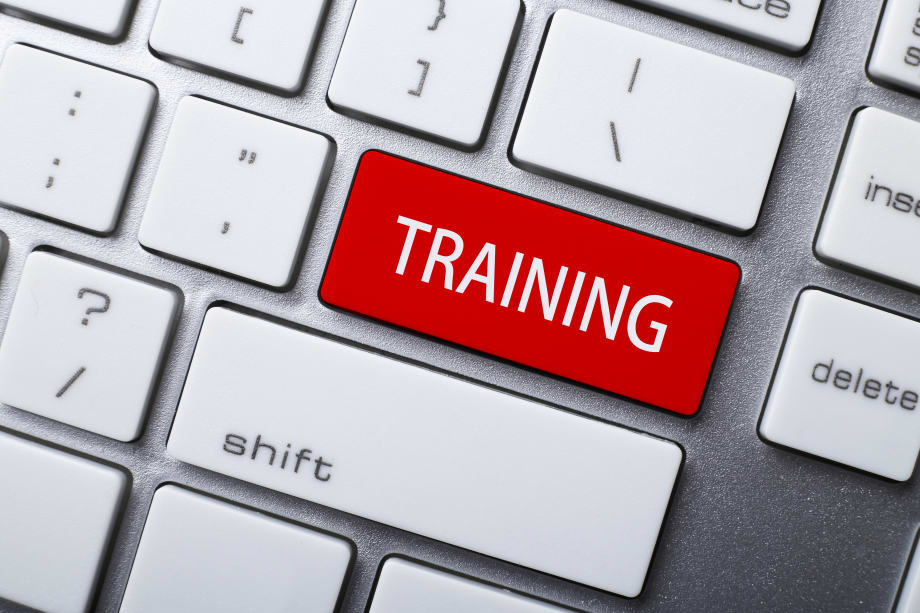
Consider training your operations, dispatch, and maintenance staff to make sure drivers get the calm reassuring support they need at the accident scene.
Getty Images 1030359048
- Implementing a crisis/accident management plan is vital for safety.
- Proper driver training is crucial for effective plan execution.
- Protecting passenger safety and company reputation relies on preparedness.
*Summarized by AI
No driver plans to have an accident; crashes are sudden and unexpected events. However, what you and your drivers can plan for is how to manage the people and the scene when an accident occurs.
By having a crisis/accident management plan in place and properly training your drivers to execute it, you can help keep them safe and protect your passengers and your company’s reputation. It can also have a tremendous impact on the outcome of the claim.
Keys to Managing the Scene
The following are the key components your drivers should know to manage an accident scene effectively.
How to protect passengers by securing the scene:
- Get help from local authorities.
- Assist others at the scene.
- Gather and exchange information.
More specifically, your driver should be trained to:
- Assess the situation and determine if passengers are OK; determine if the vehicle is stopped where it is blocking traffic and needs to be moved.
- Protect the vehicle from being involved in an additional incident by activating the four-way flashers and setting out warning devices. (Move the vehicle if it creates a hazard.)
- Call the police, the company, and your insurance company, even if all the information is not available; alert emergency responders if there are injuries.
- Assist the injured, but only provide first aid if personally trained and certified.
- Assist passengers and make them comfortable, if possible.
- If there are no injuries, attempt to provide the passengers with another vehicle to complete their trip.
- Exchange information with other parties involved. AVOID confrontation or admitting liability. Stay calm and professional. Follow the company’s policy regarding statements to police; drivers are only required to provide their name, address, commercial driver’s license information, company name, vehicle data, and insurance information.
- Obtain names, addresses, and phone numbers of witnesses and nearby motorists and pedestrians. There are an increasing number of recording devices in vehicles these days, meaning someone may have filmed the accident. This increases the importance of asking anyone who has stopped at the scene whether they witnessed the crash.
- Photograph all vehicles (from four angles) and the scene (i.e., road conditions, tire marks, debris, traffic patterns, and traffic control devices). If a cell phone is used to take photos, send the photos immediately to your insurance company; avoid deleting them until the claims adjuster has confirmed it is okay to do so.
Training Your Drivers
Of course, the best time to train and prepare your drivers for managing an accident scene is before a crash/incident occurs. Drivers who are well-trained and experienced in crisis management are often more alert and better able to handle driving challenges.
As a result, an important element in your company’s crisis/accident management plan is to conduct a driver’s meeting with live exercises to simulate the aftermath of a crash. Be sure to provide your drivers with detailed information about who to call in the event of an accident, including phone numbers, as well as what to expect under different accident scenarios. Have your drivers practice gathering information from each other during the training meeting. Make sure they have the opportunity to practice “taking accident pictures” during the meeting as well. Encourage your drivers to remain calm, ensure passengers are safe, and then follow the key steps to manage the scene.
Likewise, consider training your operations, dispatch, and maintenance staff in your company’s crisis/accident management plan to ensure drivers receive the calm, reassuring support they need at the accident scene. Your employees can also help the driver determine whether federal drug and alcohol testing requirements apply.
Importantly, your staff should be advised to avoid providing statements to the media unless they have been reviewed and approved by your insurance company’s claims adjuster. They should also be instructed to prepare and preserve their driver and maintenance files, and to secure related materials from the electronic logging device, as those items will be critical to the accident investigation process. It is important to remember, too, that any messages sent between your employees and the driver, or notes taken regarding the accident, can be used in court.
Planning Ahead
A few additional thoughts to consider:
- Your company’s crisis/accident management plan should be reviewed and updated annually, at a minimum, and drivers and employees should receive refresher training regularly. Don’t forget to get input from your staff on ways to improve your plan.
- Anything posted on social media can be obtained and used in legal proceedings. Remind all drivers and employees to remain responsible and professional, and to avoid posting or commenting about the accident or the people involved.
- Keep your company’s FMCSA SAFER information up-to-date and accurate… You can expect the media and lawyers to look up scores.
Managing the scene of an accident is stressful and sometimes challenging. The better your drivers and employees are prepared, the more positive the impact on your passengers and, perhaps, on the outcome of the claim.
Bob Crescenzo is VP at Lancer Insurance Company
Quick Answers
Having a crisis management plan is crucial for ensuring the safety of drivers and passengers, as well as protecting the company's reputation in the event of an accident.
*Summarized by AI
More Motorcoach

METRO Opens Submissions for 2026 Motorcoach Awards
Nominations are now being accepted for METRO Magazine’s Operator of the Year and Innovative Operator of the Year awards.
Read More →
Biz Briefs: Alstom Lands Canadian Contract, LYT to Supply California TSP, and More
In METRO's latest installment, we take a look at recent news from Complete Coach Works, Beep, FlixBus, and more partnerships making headlines across the transportation sector.
Read More →
Biz Briefs: RIPTA Unveils New Frontrunners, Clevland RTA Adds New Siemens, and More
In METRO's latest installment, we take a look at recent news from Siemens, Prevost, Dodge, and more partnerships making headlines across the transportation sector.
Read More →
People Movement: Holly Arnold Joins Transdev and More
In this edition, we also cover recent appointments and announcements at Pace, CamTran, MCI, and more, showcasing the individuals helping to shape the future of transportation.
Read More →
ABA Report: Motorcoach Travel Generates $161.6B Economic Impact
The 2025 analysis finds motorcoach travel supported nearly 900,000 jobs and generated $28 billion in federal, state, and local taxes.
Read More →
CharterUP’s Armir Harris on Technology, AI, and the Future of Group Mobility
In a recent episode of METROspectives, CharterUP Founder/CEO Armir Harris discussed the company’s evolution from an online charter bus marketplace into a technology platform supporting public- and private-sector mobility and much more.
Read More →
People Movement: ABC Names John Walsh as Chief Commercial Officer
In this edition, METRO also covers recent appointments and announcements at the DART, STV, and more, showcasing the individuals helping to shape the future of transportation.
Read More →
From Surviving to Thriving: Building Stronger Transportation Organizations
Bus Business Consultants founder Brian Dickson shares lessons on leadership, organizational health, and creating options for long-term success in a changing transportation industry.
Read More →
Biz Briefs: Luminator Marks Milestone and More
From manufacturers and suppliers to transit agencies and motorcoach operators, these updates offer a snapshot of the projects, partnerships and business moves driving the industry forward.
Read More →
ABAF Study Reveals Growing Insurance Crisis for Motorcoach Operators
Preliminary findings show 98% of operators faced premium increases over the past five years, while shrinking insurer participation is putting added pressure on businesses and customers.
Read More →