



ABB wins contract for world's largest tunnel project
The company will provide a ventilation system for the Gotthard Base Tunnel in Switzerland, which will carry trains beneath the Alps via a 35-mile route. In total, the project's network of tunnels, shafts and passages equals 94 miles.

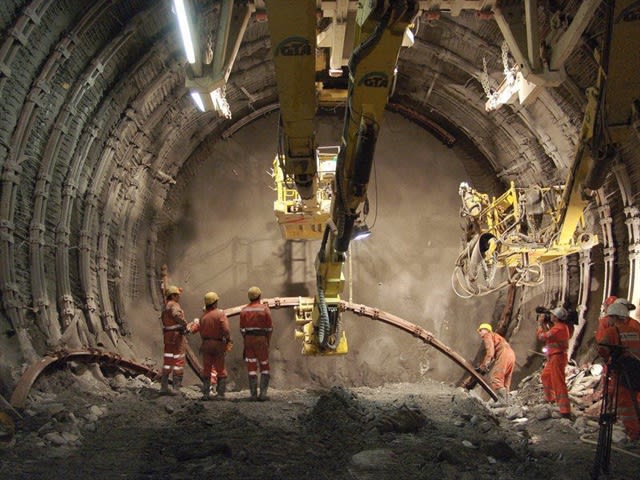
Photo courtesy of Alptransit Gotthard
Photo courtesy of Alptransit Gotthard
ABB won an order worth about $21 million from AlpTransit Gotthard AG (ATG) to provide a ventilation system for the Gotthard Base Tunnel in Switzerland, which will carry trains beneath the Alps.
It is the world's largest railway tunnel project, with a route length of 35 miles. In total the project's network of tunnels, shafts and passages equals 94 miles. The order was booked in the first quarter of 2011.
Technical rail systems are scheduled to be installed and operational by 2017. Once completed, an estimated 200 to 250 trains per day will travel through the tunnel.
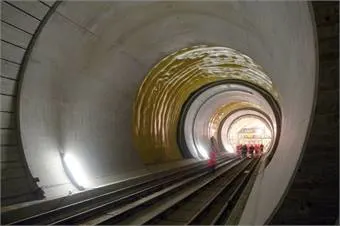
Photo courtesy of Alptransit Gotthard
Together with TLT Turbo GmbH (Germany), ABB represents a consortium that was awarded the project, which is worth about $45 million. The consortium is responsible for developing, producing and installing what will be the largest tunnel ventilation system ever built, providing fresh air for the entire tunnel network. ABB technologies will ensure it operates at the highest levels of reliability and energy efficiency.
ABB’s scope of supply includes medium- and low-voltage switchgear, other electrical equipment, 800xA control systems, sensors and other digital field devices to measure air flow and temperature; drive systems and other automation equipment. ABB is also responsible for cable design and delivery, as well the installation, assembly and commissioning of the other components.
More Rail
Amtrak, CN Reach Agreements to Strengthen Passenger Rail Service, Safety
The agreement resolves a more than decade-long proceeding before the Surface Transportation Board concerning the terms and conditions for Amtrak services, such as the City of New Orleans, Illini/Saluki, and Wolverine.
Read More →
New York MTA Advances Final Contract for Second Avenue Subway Expansion
Contract Four is the largest in the Second Avenue Subway Phase 2 project and includes construction of station infrastructure, tracks, and signals for the subway expansion, MTA officials said. Work on Contract Four will begin in 2027.
Read More →
San Diego MTS Breaks Monthly Trolley Ridership Record
Agency officials said July’s ridership indicates MTS’s continued recovery from the pandemic.
Read More →
Report Examines NJ TRANSIT Reliability, Funding Challenges
The Garden State Initiative analysis examines the roles of Amtrak infrastructure, fleet management, and agency operations while recommending a more performance-based approach to improving reliability.
Read More →
Stadler, CapMetro Sign Long-Term Rail Fleet Support Agreement
Beginning in 2027, Stadler will provide on-site technical expertise, spare parts support, training, and obsolescence management to help extend the reliability and longevity of CapMetro’s GTW fleet.
Read More →
Biz Briefs: Alstom Lands Canadian Contract, LYT to Supply California TSP, and More
In METRO's latest installment, we take a look at recent news from Complete Coach Works, Beep, FlixBus, and more partnerships making headlines across the transportation sector.
Read More →
CATS Gold Line Marks 5 Years of Service, 2.8M Passenger Trips
With a six-mile expansion planned, the Charlotte streetcar is positioned to connect more neighborhoods and major transit hubs across the region.
Read More →
Why Simulating Pedestrian Movement Has Become Essential for Modern Rail Stations
Pedestrian microsimulation is helping rail planners identify bottlenecks, test station designs, and prepare complex transit hubs for growing passenger volumes.
Read More →
Amtrak Begins Major Construction at New York’s Sunnyside Yard
The new maintenance facility will support Amtrak’s Airo trainsets while improving maintenance efficiency and turnaround times in New York.
Read More →
Chicago Leaders Unveil Plans for O’Hare Airport Express Train
The privately developed project would offer a 15-minute trip between downtown and O’Hare’s Terminal 2, with trains operating every 15 minutes on a dedicated track. The service would use battery-electric trains and three existing freight rail rights-of-way.
Read More →