



ADA Paratransit Eligibility Moving Toward a More Holistic Approach
Since its initial publication in 2003, Easter Seals Project ACTION’s “Determining ADA Paratransit Eligibility: An Approach, Recommendations and Training Materials,” has been the primary resource for agencies that assess individual applications for paratransit service.

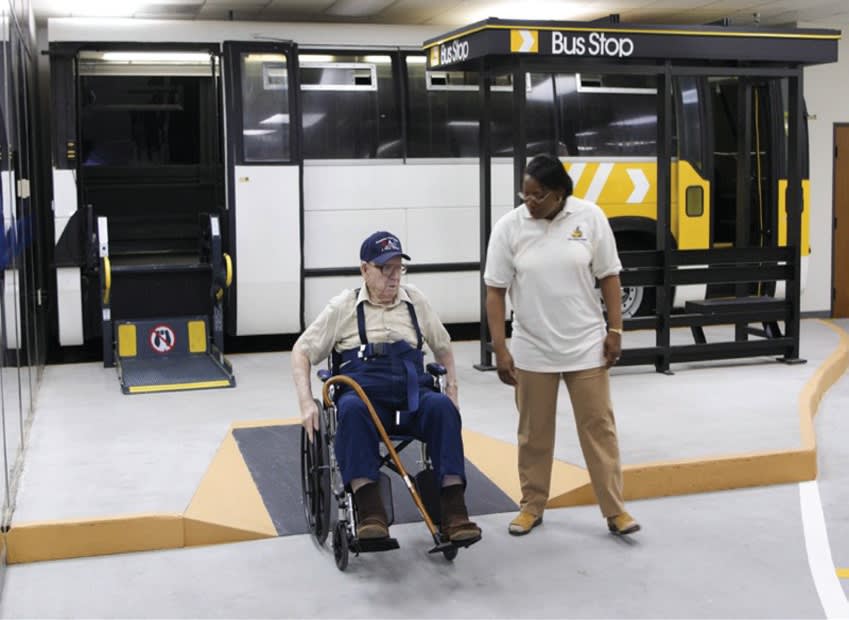
Including a travel trainer on the eligibility review team is an aspect of a more “holistic approach” to the process.
Including a travel trainer on the eligibility review team is an aspect of a more “holistic approach” to the process.
Since its initial publication in 2003, Easter Seals Project ACTION’s “Determining ADA Paratransit Eligibility: An Approach, Recommendations and Training Materials,” has been the primary resource for agencies that assess individual applications for paratransit service. Easter Seals, in collaboration with TranSystems and ACCESS Transportation Systems of Pittsburgh, announced that an updated version of the manual is now available. The 2014 edition reflects amendments to the Americans with Disabilities Act (ADA) since 2002 and presents eligibility determination as part of a broader, holistic approach to meeting the transportation needs of people with disabilities.
Consider ability, not just disability
The manual recommends using a strength-based model in which determination does not start with what a person is unable to do, but rather, with the belief that he has strengths that define who he is. In other words, it is a focus on the “can” rather than the “cannot.” A strengths-based model is one that shifts from a deficit approach emphasizing problems to a positive partnership, even in the limited context of an ADA eligibility interview. The updated manual offers specific examples of how to improve the process of interviewing applicants and to gain more knowledge about types of disabilities. These steps include:
• Recording a list of master functional tasks a person can complete to determine physical, cognitive and visual disabilities.
• Getting to know community-based agencies with professional staff that can teach you about the specific characteristics of types of disabilities. Building this relationship also provides an excellent opportunity for transit systems to share information about the accessibility of their fixed-route transit system and the purpose and context for ADA paratransit eligibility.
• Researching medical diagnostic information on epilepsy or other conditions so your agency has baseline information about conditions and a better understanding of the functional impacts of particular disabilities.
• Reviewing the manual’s updated case studies that reflect societal changes since 2002, such as the increase in reported traumatic brain injuries. All case studies are outlined in steps that will assist your agency with preparing for the interview; learning more about the condition and the effects of the condition; preparing a master functional skills list; collecting information from professionals; identifying the applicant’s most limiting condition; and making an eligibility decision.
Related to in-person assessments, it should be noted that the manual contains an expanded section on the Functional Assessment of Cognitive Transit Skills (FACTS) that addresses reliability and validity of FACTS and provides a background explanation of how FACTS was developed. Four FACTS sample reports are offered to indicate how the test is applied, what observations are made during a FACTS interview, and what the results might be depending on abilities.
Developing appropriate process
Merriam-Webster defines the word “holistic” as “relating to or concerned with complete systems rather than with individual parts.” A new Section 3 of the manual is dedicated entirely to developing an appropriate process using a more holistic approach than has typically been used for ADA complementary paratransit determination. At its core, eligibility determination is about gathering and reviewing information needed to accurately assess a person’s ability to use fixed-route transit services.
A more holistic approach would be to expand on this to make the determination process an opportunity to educate and inform. The holistic approach starts with providing accessible fixed-route service that goes beyond just providing accessible vehicles to offering trip planning services, travel instruction and training, and local community bus services to supplement other routes.
Accessible communication is also part of an accessible system and the holistic approach. When you inform the community about all the transportation options, they’ll also have a better understanding of the accessibility improvements that have been made to fixed-route service and will be able to explain more accurately their ability to use fixed-route services. It is important to note that the communications are not intended to direct people away from ADA complementary paratransit services but to inform them of all transportation options in their community.
Additional ways to take on a more holistic approach include:
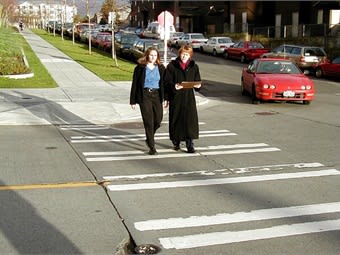
It’s important to record a list of master functional tasks a person can complete to determine physical, cognitive and visual disabilities.
• Creating a public information packet with information, a brochure, forms and explanation of how the process works.
• Providing information about other available transportation or service programs during the application and review process.
• Including a travel trainer on the eligibility review team.
• Using eligibility reviews and assessments to remove barriers by identifying issues and informing public works or appropriate community administrators about them.
• Using both electronic and traditional applications to meet applicant needs.
An additional aspect of applying an holistic approach is expanding public input into the design of the eligibility process. The U.S. DOT’s ADA regulations require that people with disabilities be involved on an ongoing basis in the continued development and assessment of services provided (49 CFR Part 37, §37.137(c)). Using this requirement as a foundation, the manual’s text emphasizes that “it is vital that the community understands the reasons for changes in the eligibility process and views the changes and the new process as one that they have had a hand in developing.” How can an agency responsible for eligibility determination go about enhancing its public involvement process? A few recommendations include:
• Outreach should be done to all segments of the community, including current and potential riders with disabilities, disability organizations and representative disability membership organizations.
• The goal of the process should be to have the community view the new process as “their eligibility determination process” not the “transit agency’s process.”
• Make language easy to understand by translating the regulatory text into more common language when writing information and application materials.
You will want to keep the following in mind when reviewing or amending your process: current and past process designs; transit agency and public satisfaction with the current process; desire to identify specific conditions of eligibility and make trip-by-trip eligibility determinations; and internal and external local organizational capabilities.
This overview has offered just a glimpse at some of the major updates to Determining ADA Paratransit Eligibility. Eligibility managers are encouraged to review the entire publication for U.S. DOT requirements related to ADA complementary paratransit. The publication is available at www.projectaction.org or you may request a PDF copy by emailing projectaction@easterseals.com or calling (800) 659-6428.
Rachel Beyerle is the communications director for Easter Seals Project ACTION.
More Paratransit

Biz Briefs: RIPTA Unveils New Frontrunners, Clevland RTA Adds New Siemens, and More
In METRO's latest installment, we take a look at recent news from Siemens, Prevost, Dodge, and more partnerships making headlines across the transportation sector.
Read More →
King County Metro Makes ADA Paratransit Easier to Navigate
METRO's Innovative Solutions Award winner replaces complex service-area descriptions with an accessible, interactive map that puts paratransit information directly in customers’ hands.
Read More →
Jacksonville’s NAVI Project Charts a New Course for Autonomous Public Transportation
Through its NAVI program, JTA is showing how autonomous vehicles, intelligent infrastructure, and coordinated operations can work together to deliver everyday public transportation.
Read More →
Driving Smarter Paratransit
John Hanlon shares how AlphaRoute is leveraging AI-powered technology to help paratransit providers optimize operations, support frontline staff, and enhance the rider experience.
Read More →
METRO Magazine Announces 2026 Innovative Solutions Awards Winners
Projects Recognized for Advancing Mobility Through Technology, Accessibility, Workforce Innovation, and Operational Excellence
Read More →
Biz Briefs: STV teams with Amtrak, Motorcoach Operators Boost Fleet and Land Contracts, and More
From manufacturers and suppliers to transit agencies and motorcoach operators, these updates offer a snapshot of the projects, partnerships and business moves driving the industry forward.
Read More →
Biz Briefs: Masabi Teams with St. Louis Metro and More
In METRO's latest installment, we take a look at recent news from Transdev, Hitachi, and more partnerships making headlines across the transportation sector.
Read More →
New York MTA Leverages Zoning Program to Advance Station Accessibility
Accessibility enhancements at Nevins St Station will be financed through a development agreement tied to the MTA's Zoning for Accessibility initiative.
Read More →
Reinventing Fleet Maintenance with Real-time Visibility and AI
Transit leaders need to know what needs fixing, where to look, who is responsible, when work is completed, and what it costs without having to chase information across disconnected systems.
Read More →
SamTrans Sets Priorities for Potential Connect Bay Area Revenue
The board-approved framework allocates future funding to maintaining service, rider improvements, equity initiatives, and infrastructure repairs.
Read More →