



AECOM to conduct Capital Metro's Central Corridor Transit analysis
The study is intended to accomplish three key goals: identify short term solutions, identify longer term projects, and develop a funding strategy and timeline for the proposed infrastructure projects.

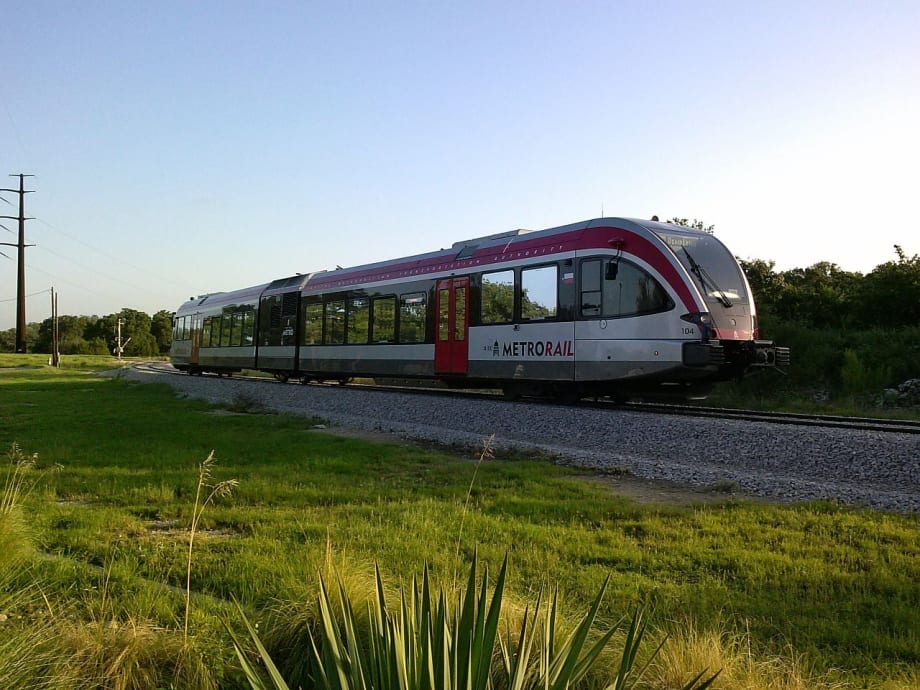
Austin, Texas’ Capital Metro board of directors selected AECOM, an integrated global engineering firm, to conduct the Central Corridor Transit Analysis, a study designed to create connected, sustainable transportation solutions for Austin’s Central Corridor. The Project Connect Central Corridor Study that began in 2014 will continue with AECOM leading the effort, working with transportation agencies, stakeholders and the public to shape Austin’s transit future.
The study is intended to accomplish three key goals: identify short term solutions that can be done with current infrastructure to improve mobility within the study area, identify longer term projects including new modes of high capacity transit, and develop a funding strategy and timeline for the proposed infrastructure projects.
“While the entire Central Texas region is growing at a phenomenal rate, central Austin is a key area of focus for improving mobility,” said Capital Metro President/CEO Linda Watson. “Nearly 150,000 people drive into and out of the downtown area each day, so creating effective transit options for the heart of the city is vital for increasing economic growth and improving the quality of life.”
“AECOM has put together a comprehensive proposal that includes actively engaging the community in the planning, and we look forward to working with them to create a sustainable transit plan that serves the region effectively,” Watson said.
AECOM will consider all practical transportation modes to enhance transit options in the Central Corridor including, though not limited to, rail.
Highlights from AECOM’s proposal include:
An in-depth study of a variety of transportation modes and their potential for creating improved transit options within the corridor.
A thorough community and stakeholder involvement process with a transparent, multi-tiered approach to project decision-making and phasing that is consistent with community vision.
An emphasis on developing a workable, FTA-guided plan that can be funded and developed.
A multimodal transportation plan that improves the feasibility of transit in the Central Corridor while effectively maximizing connections with regional routes in surrounding communities.
A realistic cost analysis for building, operating and maintaining the proposed sustainable and connected transit system.
AECOM’s study is expected to take 30 months to complete. Remaining Project Connect federal grant funds, combined with support from Capital Metro and the City of Austin, will be used to cover the study’s $3 million cost. As part of the study, AECOM will identify potential funding resources to support the resulting plan’s implementation.
More New Mobility

From Hardware to Digital Partner: Luminator Charts Its Next Chapter
CEO Magnus Friberg discusses Luminator’s shift toward becoming a digital partner, the growing importance of software and interoperability, and how AI can help agencies improve operations and passenger experience.
Read More →
Biz Briefs: Alstom Lands Canadian Contract, LYT to Supply California TSP, and More
In METRO's latest installment, we take a look at recent news from Complete Coach Works, Beep, FlixBus, and more partnerships making headlines across the transportation sector.
Read More →
CharterUP’s Armir Harris on Technology, AI, and the Future of Group Mobility
In a recent episode of METROspectives, CharterUP Founder/CEO Armir Harris discussed the company’s evolution from an online charter bus marketplace into a technology platform supporting public- and private-sector mobility and much more.
Read More →
Jacksonville’s NAVI Project Charts a New Course for Autonomous Public Transportation
Through its NAVI program, JTA is showing how autonomous vehicles, intelligent infrastructure, and coordinated operations can work together to deliver everyday public transportation.
Read More →
Biz Briefs: Luminator Marks Milestone and More
From manufacturers and suppliers to transit agencies and motorcoach operators, these updates offer a snapshot of the projects, partnerships and business moves driving the industry forward.
Read More →
New Tricks for Old Bureaucracies: Joshua Schank on Making Transit Innovation Stick
Former LA Metro Chief Innovation Officer Joshua Schank discusses why good ideas aren't enough, how transit agencies can overcome resistance to change, and why today's challenges demand more innovation.
Read More →
How DART's GoPass Is Redefining Regional Mobility
Serving 14 transit agencies, GoPass simplifies multimodal travel by allowing riders to plan, pay for, and manage an entire trip through one app.
Read More →
Biz Briefs: OCTA Taps Clean Energy for Hydrogen Station, Stadler to Supply Via Rail Vehicles, and More
From manufacturers and suppliers to transit agencies and motorcoach operators, these updates offer a snapshot of the projects, partnerships and business moves driving the industry forward.
Read More →CharterUP Expands Into New Mobility and Autonomous Transportation
Vice President of New Mobility Stephen Joos discusses how CharterUP is leveraging its nationwide transportation network, technology platform, and autonomous vehicle partnerships to expand into workforce mobility, campus shuttles, and transit solutions.
Read More →
METRO Magazine Announces 2026 Innovative Solutions Awards Winners
Projects Recognized for Advancing Mobility Through Technology, Accessibility, Workforce Innovation, and Operational Excellence
Read More →