



Alameda County Transportation Plan Approved: Airport Connector Gets Green Light
The Board of the Alameda County (Calif.) Transportation Authority recently approved a $1.4 billion expenditure plan to fund transportation programs and capital projects in Alameda County over the next 20 years.

The Board of the Alameda County (Calif.) Transportation Authority recently approved a $1.4 billion expenditure plan to fund transportation programs and capital projects in Alameda County over the next 20 years. Included in the plan is a $65.8 million down payment on the Bay Area Rapid Transit-Oakland International Airport Connector. The largest portion of the funding, 60%, will be spent on maintaining various programs, including: local street and road improvements, transit-operating funds, funding for non-motorized transportation and paratransit funding. The remaining 40% will be spent on capital projects such as BART, freeway widening, upgrading transit corridors and the building of the BART-Oakland Connector. “Alameda County and the whole Bay Area will be growing dramatically in population over the next 20 years,” said Steve Gregory, senior strategic planner at the Port of Oakland. “The airport connector will contribute significantly to congestion reduction. We anticipate it will carry approximately three million passengers a year by 2010. This will replace roughly 52 million vehicle miles traveled in airport trips annually.” BART, the official project sponsor, is currently conducting an environmental analysis and is undertaking preliminary engineering on the project. “At the moment what they are looking at in the environmental process are some alternative modes. One would be a fixed rail, elevated guideway and automated train. Another one would be what is called ‘quality bus,’ which means clean fuel buses possibly with some signal preemption capability," Gregory said. "While a number of us would like to see the fixed guideway rail alternative selected, we have to be careful not to prejudice the environmental assessment process at this stage.” If a light rail system were chosen, the track would span about three and a quarter miles from the Coliseum BART station to the new terminal complex at Oakland International Airport. Although the project was allocated $65.8 million by the expenditure plan, construction still depends on voters choosing to continue a half-cent sales tax used for transportation. “If the sales tax does pass with two-thirds voter support this November, then the funds will be available starting in 2002,” said Christine Monsen, executive director of the Alameda authority. A six-year construction period is anticipated for the project, Gregory said. If all goals are met, the new connector will open at the same time as the new terminal complex currently under construction at Oakland International Airport.
More Management
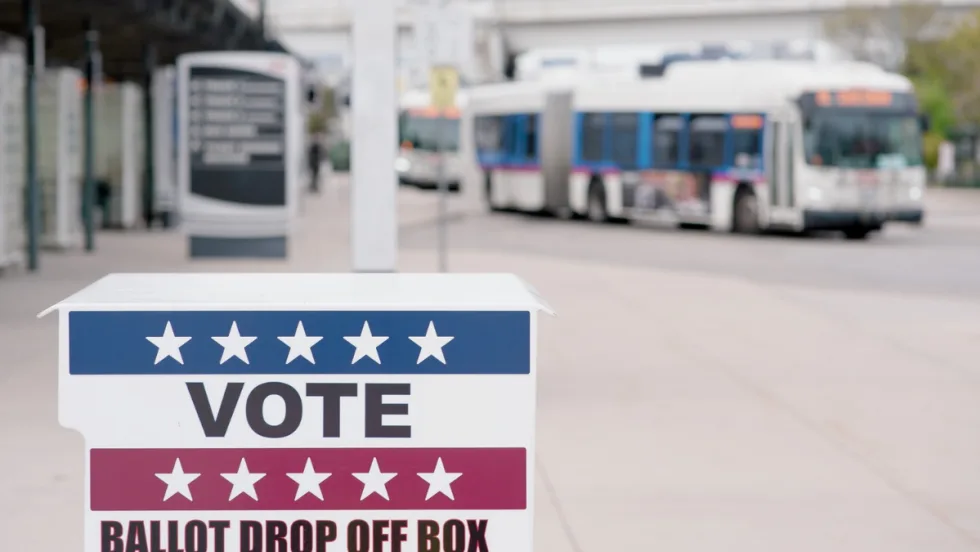
How Transit Agencies Are Using Free Rides to Improve Voting Access
Transit agencies are using fare-free service, trip-planning tools, and targeted rides to improve voting access. See what other agencies can learn from these efforts.
Read More →
Caltrain’s Electrification Drives a New Era of Ridership Growth
The railroad’s shift to electric service has brought more frequent trains, stronger customer satisfaction, and increased ridership, earning it APTA’s Outstanding Public Transportation System award.
Read More →
Chicago, Charlotte Transit Agencies Expand Rider Support Programs
CTA launched crisis intervention teams as CATS prepares to deploy fare ambassadors, expanding customer assistance and security efforts across both systems.
Read More →
New York MTA Launches Historic $1.9B Signal, Track Modernization Project
Funded in part by congestion pricing revenue, the project will replace nearly century-old signals along the A and C lines in Brooklyn and Queens.
Read More →
Brian Dickson on Building Stronger, More Resilient Transportation Organizations
Bus Business Consultants Founder Brian Dickson discusses the leadership principles, operational discipline, and strategic planning that separate transportation companies positioned for long-term success from those stuck in survival mode.
Read More →
LA Metro Breaks Ground on Vermont BRT Project
The 12.4-mile corridor is projected to serve 66,200 daily riders, reduce travel times by up to 24%, and create the nation's busiest bus rapid transit corridor.
Read More →
Building Stronger Leaders, More Resilient Transit Teams
Dr. Carol Parker Walsh discusses leadership development, employee retention, workplace culture, and preparing transit’s workforce for AI and automation.
Read More →
Roman Cornell on ABC Companies’ Evolution and the Future of Passenger Transportation
The company’s CEO discusses carrying forward a third-generation family legacy, ABC’s continued evolution in passenger transportation, support for increasingly complex fleets, and how technology and continued investment could help operators improve uptime.
Read More →
CATS Launches West Charlotte Microtransit Zone, Expands Transit Services
The new microtransit zone connects residents to key destinations as Charlotte Area Transit System rolls out the first phase of its 2055 Transit System Plan.
Read More →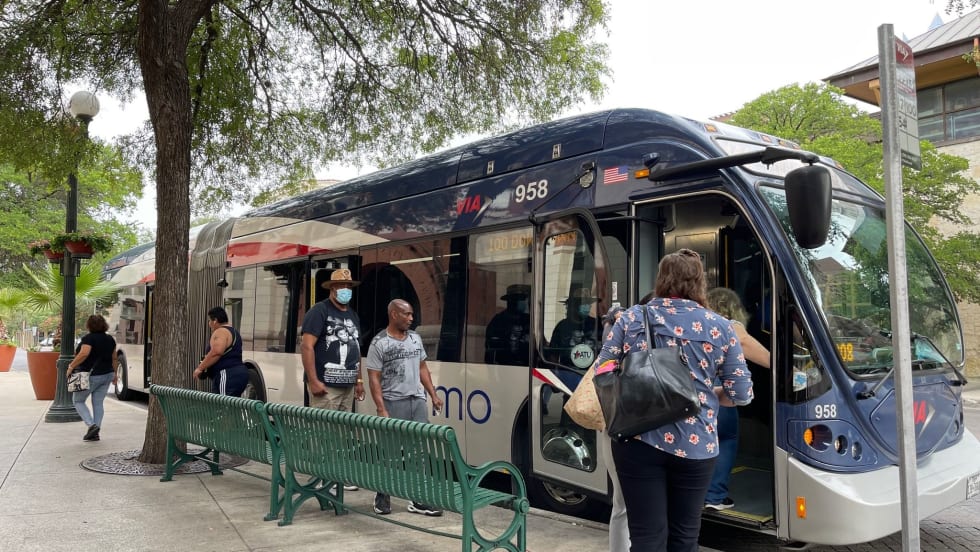
VIA Bus Ridership Grows 10.1% Through August 2026
San Antonio's VIA Metropolitan Transit reported the highest bus ridership growth among major Texas transit systems. Federal Transit Administration data ranked it second among the nation's 50 largest transit systems.
Read More →