




Miss This? San Antonio's VIA Approves 'Transformational' FY26 Budget
VIA Metropolitan Transit Reports 2 Million More Passenger Trips as Better Bus Plan Gains Momentum
San Antonio's transit agency said accelerated service improvements are driving ridership growth, offering another example of how increased frequency and workforce investments can translate into stronger transit performance.
August 12, 2026

The Better Bus Plan is a systemwide redesign focused on increasing service frequency, improving reliability, and creating a more connected network.
Credit:
METRO
3 min to read
VIA Metropolitan Transit said it is on track for one of its strongest years in recent memory, reporting 2 million more passenger trips year over year as the agency continues rolling out service improvements under its Better Bus Plan.
Speaking during the San Antonio Mobility Coalition's annual State of Transit event, VIA President and CEO Jon Gary Herrera said the agency expects to provide 33 million passenger trips this year, which is about 90,000 trips each day, connecting riders to jobs, schools, healthcare, and other essential destinations.
Agency leaders attributed the ridership gains to the accelerated implementation of the Better Bus Plan, a systemwide redesign focused on increasing service frequency, improving reliability, and creating a more connected network. According to VIA, most of the plan's improvements will be completed by January 2027, nearly four years ahead of the original schedule.
"Our community told us they needed more frequent, reliable service, and we made a commitment to deliver it faster," Herrera said. "That meant building the strongest operator workforce in VIA's history so that we could expand and improve service — years ahead of schedule. We know the investments are working because we're seeing more San Antonians use VIA more often."
The latest ridership update builds on VIA's ongoing network transformation, which we previously reported includes major service redesigns, expanded VIA Link microtransit, and the development of the agency's Advanced Rapid Transit network. Last month, VIA's Silver Line cleared its federal environmental review, while construction continues on the Green Line, with both projects serving as key components of the Better Bus Plan.

While the Better Bus Plan is delivering results today, VIA officials said the agency is continuing to invest in long-term mobility through its VIA Rapid program.
Credit:
Via Metropolitan Transit
Construction and Workforce Expansion Supports Service Growth
A key factor behind the accelerated rollout has been staffing.
VIA said it now employs more than 1,000 full-time bus operators, the largest operator workforce in the agency's history, providing the personnel needed to support expanded service. According to local reporting, the agency increased its operator workforce from 799 to more than 1,000 as it implemented more frequent service across the network.
For transit agencies facing nationwide operator shortages, VIA's experience underscores the connection between workforce investment and the ability to deliver meaningful service improvements.
While the Better Bus Plan is delivering results today, VIA officials said the agency is continuing to invest in long-term mobility through its VIA Rapid program.
Construction is underway on the VIA Rapid Green Line, while the Silver Line advances toward final design and federal funding. Together, the projects are expected to generate more than $860 million in economic activity and create nearly 5,600 jobs, according to an independent economic impact study.
For transit leaders, VIA's latest ridership gains provide another case study in how investments in frequent service, operational reliability, and workforce development can support ridership recovery while laying the groundwork for future bus rapid transit expansion.
More Management
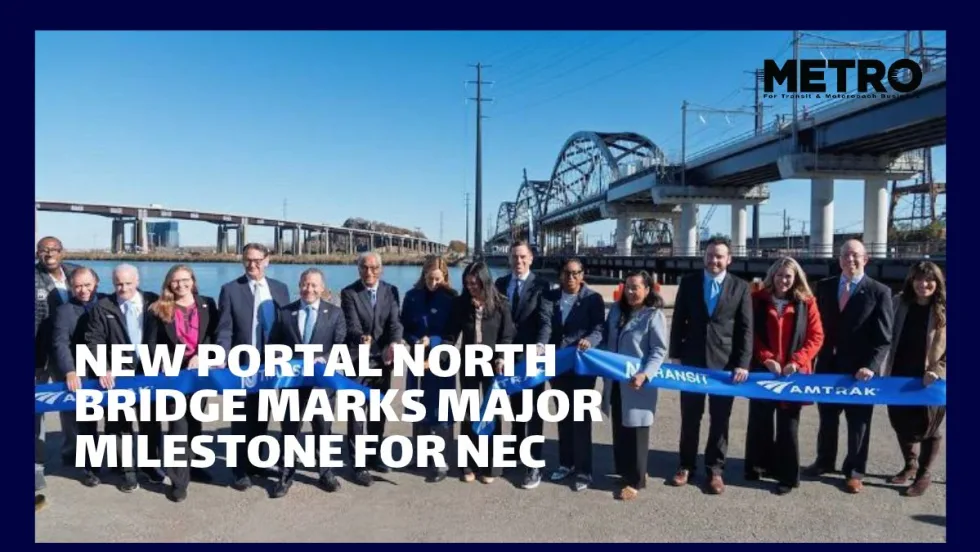
Amtrak, NJ TRANSIT Launch Full Service on New Portal North Bridge
The completion of the two-track bridge over the Hackensack River eliminates a longstanding source of delays for NJ TRANSIT and Amtrak customers. It marks a major milestone for the Gateway Program.
Read More →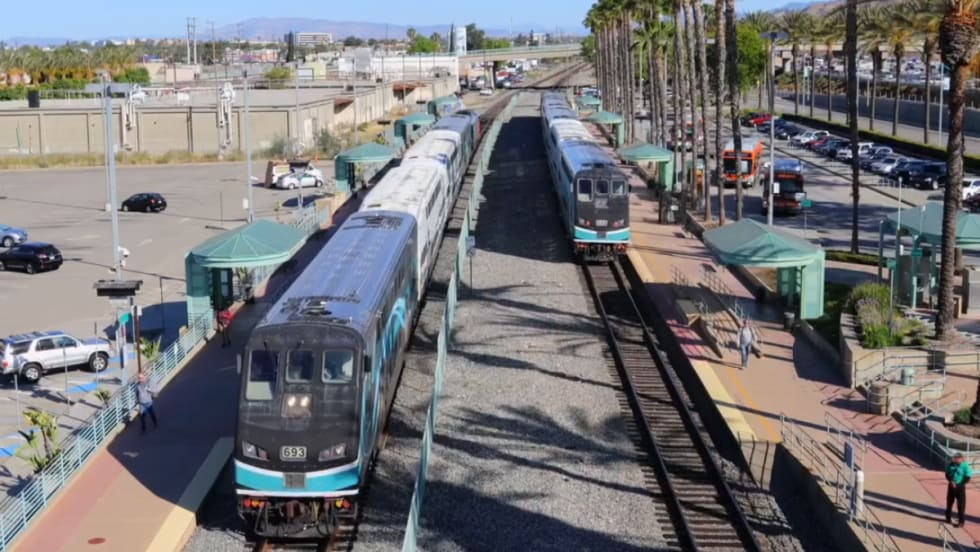
Southern California’s Metrolink Approves $508.8M Budget, Avoids Service Cuts
A $20 million state allocation allows the regional rail agency to maintain existing weekday and weekend service through fiscal year 2028, although longer-term funding challenges remain.
Read More →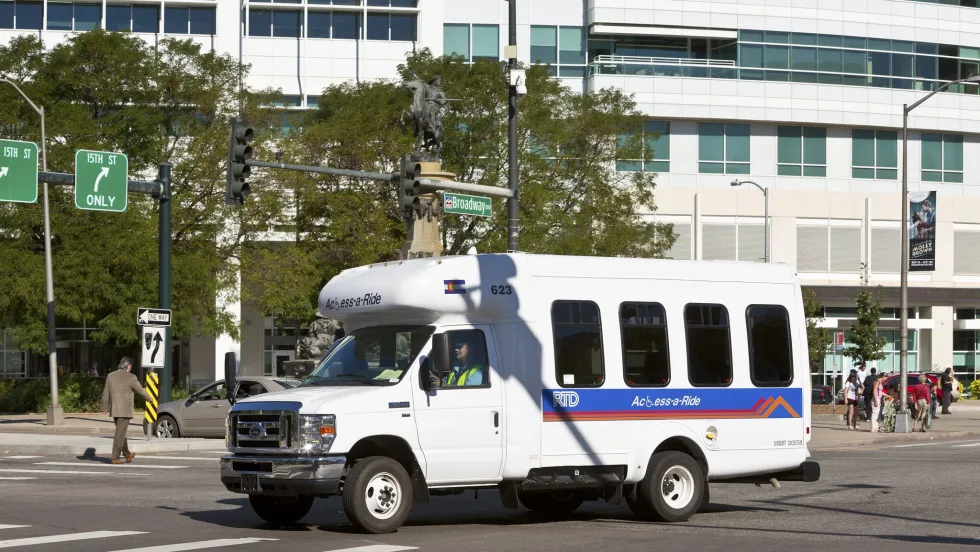
Denver RTD Committee to Review Paratransit Services, Improve Accessibility
The committee will oversee an independent study of paratransit operations, gather customer feedback, and recommend improvements to service reliability, accessibility, and accountability.
Read More →
Castro to Lead RTC of Southern Nevada and More in People Movement
In this edition, we also cover recent appointments and announcements at the STV, MCI, and more, showcasing the individuals helping to shape the future of transportation.
Read More →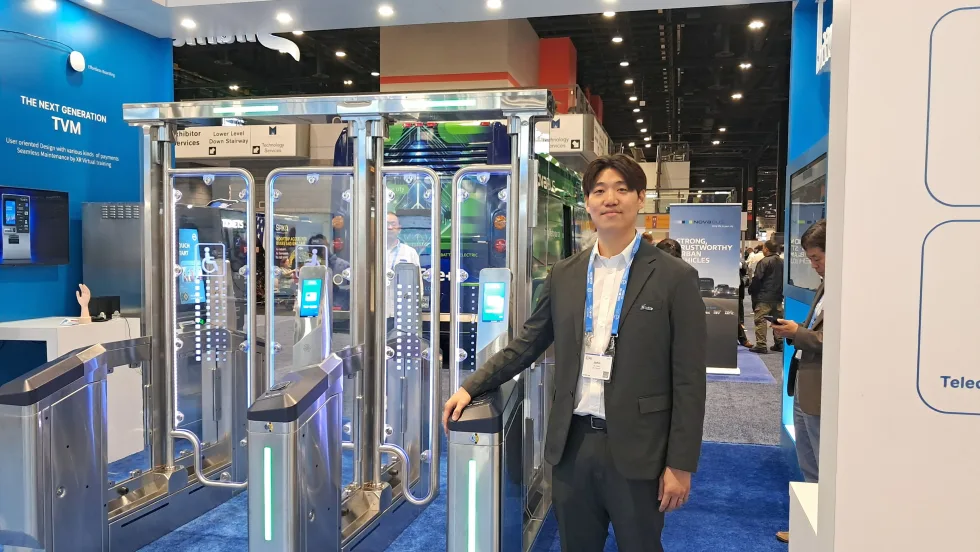
STraffic Expands North American Presence with Fare Collection Technology
John Moon, Associate Director, Product Strategy at STraffic, discusses the company's growth in North America, its efforts to reduce fare evasion, and more.
Read More →
Study: Denver RTD Generates $2.1 Billion in Annual Economic Activity
An economic impact study finds the agency supports approximately 17,500 jobs, delivers $1.6 billion in annual community and mobility benefits, and generates $2.42 in economic value for every dollar invested.
Read More →
Mark Aesch Nominated to Lead Federal Transit Administration
The former Rochester transit chief and TransPro founder, who has also contributed to METRO Magazine, brings decades of industry experience and a focus on performance, accountability, and financial sustainability to the nomination.
Read More →
Best and Worst U.S. Cities for Public Transportation in 2026
A new analysis of 50 major U.S. urban areas ranks public transit systems based on accessibility, affordability, usefulness, and safety, highlighting where transit performs best and where challenges remain.
Read More →
Laketran Cuts Fuel Costs, Boosts Efficiency with Propane-Powered Fleet
The Ohio transit agency is using propane-powered vehicles and on-site fueling infrastructure to cut fuel and maintenance costs while meeting growing demand for paratransit services.
Read More →
Canada’s Public Transit Supports $65.6 Billion in Annual GDP
New research from the Canadian Chamber of Commerce examines transit's economic contributions, including job creation and the financial implications of transportation investment.
Read More →