



Albuquerque weighs BRT vs. light rail
While the city contemplates its decision, express buses will be placed into service by next year.

Some type of rapid transit system will be constructed in Albuquerque beginning in 2006, but it has yet to be determined whether the city will build light rail or bus rapid transit. A high-capacity transit system will be built to carry people from the densely populated West Side, through the newly revitalized downtown and to the Uptown shopping district. Such a system would make Albuquerque competitive with other major Southwestern cities and strengthen the city's community, said Mayor Martin Chavez. Federal funding and city matching funds will pay for the $350 million to $400 million proposed project. The city is still discussing how it will come up with its 50% share of the cost. Under consideration are a vehicle registration fee, a three-cents-a-gallon gas tax and revenue bonds. One potential alignment for the first phase of the project, called the Red Chile Line, is an 11-mile route connecting the city along Central Avenue with passenger stations located at intervals of one-half to one mile. A potential second phase of the project, the Green Chile Line, would link the city's cultural attractions and make use of existing railroad rights-of-way that loop around the city. In the interim, super express buses will be operating along the future route of the Red Chile Line by next April. Buses will stop about every mile rather than every few blocks and will use articulated buses and transit signal priority.
More Bus

Finding the ‘Happy Medium’: Optimizing Maintenance Without Sacrificing Reliability
The key to maintenance optimization isn’t doing less work—it’s doing the right work at the right time on the right assets.
Read More →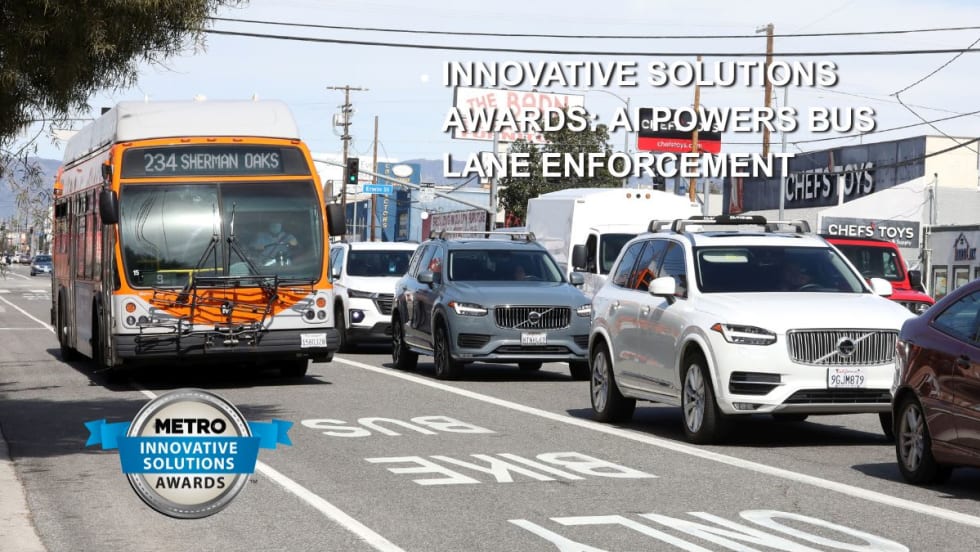
LA Metro, City of West Hollywood, and Partners Advance Smarter Bus Lane Enforcement
The award-winning partnership combines AI-powered detection with human oversight to improve bus reliability, accessibility, and enforcement efficiency.
Read More →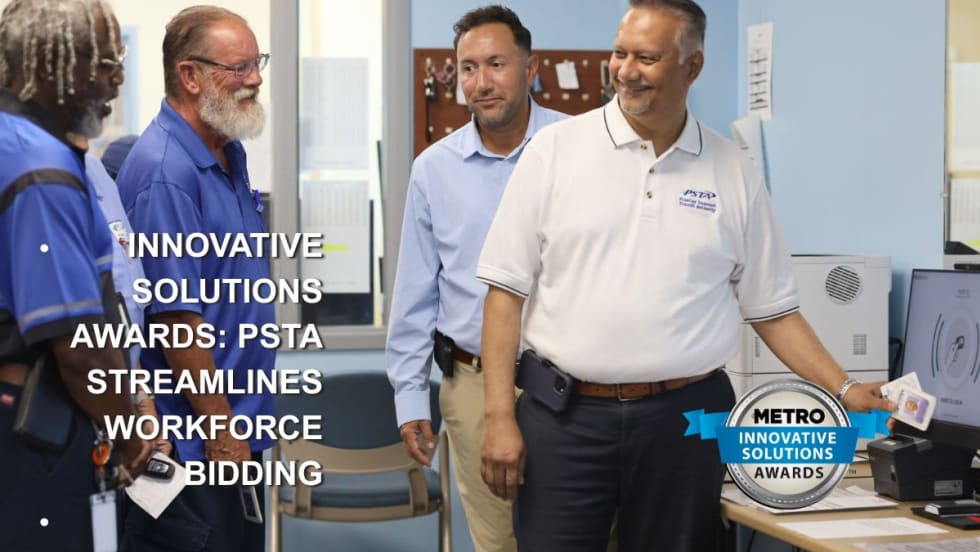
PSTA Modernizes Workforce Management with Digital Bidding System
The award-winning Workforce Transit Modernization project replaced paper bidding with a transparent digital platform, cutting administrative effort while improving access for operators.
Read More →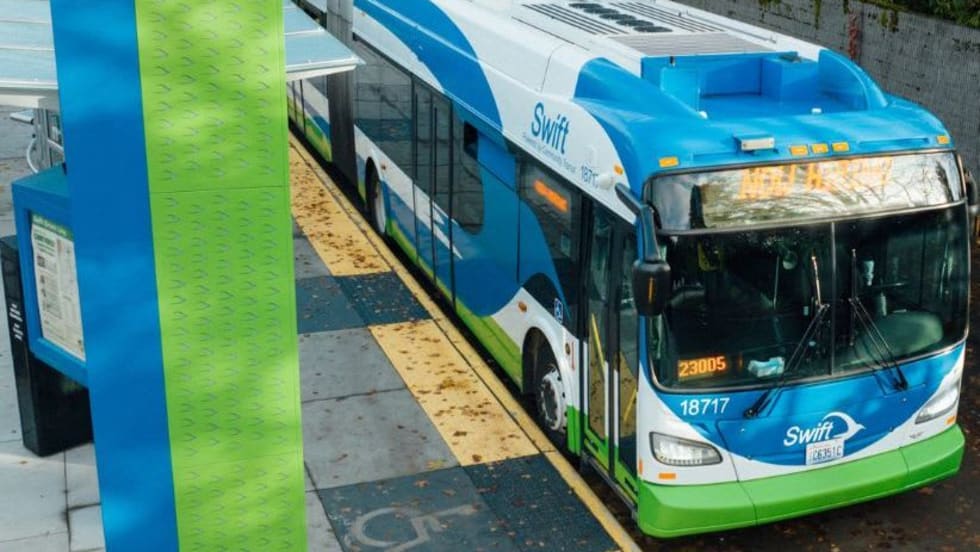
Washington's Community Transit Sets Six-Year Roadmap for Growth, Expansion
Approved TDP targets more bus service, new mobility options, Swift BRT expansion, and a potential Everett Transit annexation.
Read More →
DART Customer Satisfaction Reaches Six-Year High
Overall satisfaction rose to 74.9%, while the agency’s Net Promoter Score reached a record 33.7.
Read More →
How DART's GoPass Is Redefining Regional Mobility
Serving 14 transit agencies, GoPass simplifies multimodal travel by allowing riders to plan, pay for, and manage an entire trip through one app.
Read More →
Biz Briefs: OCTA Taps Clean Energy for Hydrogen Station, Stadler to Supply Via Rail Vehicles, and More
From manufacturers and suppliers to transit agencies and motorcoach operators, these updates offer a snapshot of the projects, partnerships and business moves driving the industry forward.
Read More →
METRO Magazine Announces 2026 Innovative Solutions Awards Winners
Projects Recognized for Advancing Mobility Through Technology, Accessibility, Workforce Innovation, and Operational Excellence
Read More →
Biz Briefs: STV teams with Amtrak, Motorcoach Operators Boost Fleet and Land Contracts, and More
From manufacturers and suppliers to transit agencies and motorcoach operators, these updates offer a snapshot of the projects, partnerships and business moves driving the industry forward.
Read More →
LA Metro Marks Banner Year, Sets Ambitious Goals for New Fiscal Year
Incoming LA Metro Board Chair and Los Angeles Mayor Karen Bass joined outgoing Board Chair Fernando Dutra and LA Metro CEO Stephanie Wiggins to review accomplishments from fiscal year 2026, which included the opening of new rail extensions, advancement of major transit projects, expanded safety programs, and new rider amenities.
Read More →