



Alcoa donates light-weight wheels for Yale green program
The conversion of Yale's shuttle buses and vans from steel wheels to aluminum wheels is expected to save the fleet of 30 vehicles nearly 1,000 gallons of fuel and reduce CO2 output by 10 metric tons per year.

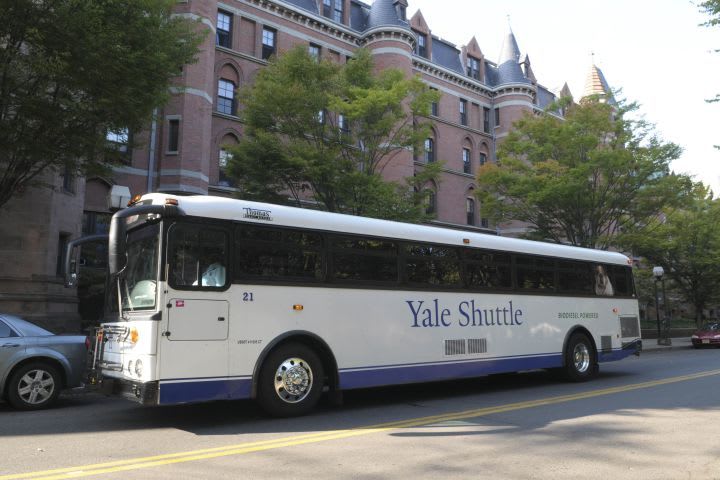
Switching from steel to aluminum wheels will help Yale's shuttle bus fleet save on fuel and reduce emissions.
[IMAGE]yalebus-2.jpg[/IMAGE]In support of Yale University's campus-wide sustainability initiative, Alcoa has donated 130 of its lightweight, environmentally-friendly Dura-Bright aluminum wheels for use on campus transit vehicles. Yale will study and report to Alcoa on the environmental effects of the wheels as part of its commitment to using its campus as a living laboratory for sustainability research.
The conversion of Yale's shuttle buses and vans from current steel wheels to Alcoa aluminum Dura-Bright wheels is expected to save the fleet of 30 vehicles nearly 1,000 gallons of fuel and reduce CO2 output by 10 metric tons per year. In addition, the no-polish, easy-rinse Dura-Bright wheels will help Yale save on fleet maintenance costs.
Installation of the new wheels began this summer and will continue over the course of the next 18 months. Alcoa Foundation has also donated funds to cover environmentally sensitive disposal of the existing steel wheels.
Building on a long history of research and engagement with environmental issues, Yale established a dedicated Office of Sustainability in 2005. Soon after, University President Richard Levin committed to reducing Yale's greenhouse gas emissions by 43 percent below 2005 levels by the year 2020.
In addition to improving the campus transit fleet, strategies include a combination of increasing the efficiency of on-campus energy production and distribution, energy conservation, on-site renewable energy resources, and sustainable standards for new construction and large renovations.
More Bus

Improving Transit Safety and Reliability Through AI
Hayden AI’s Chief Growth Officer, Charley Territo, discusses how AI-powered camera enforcement is helping transit agencies keep bus lanes and stops clear, improve accessibility, and move from pilot programs to full-scale deployments.
Read More →
Castro to Lead RTC of Southern Nevada and More in People Movement
In this edition, we also cover recent appointments and announcements at the STV, MCI, and more, showcasing the individuals helping to shape the future of transportation.
Read More →
Study: Denver RTD Generates $2.1 Billion in Annual Economic Activity
An economic impact study finds the agency supports approximately 17,500 jobs, delivers $1.6 billion in annual community and mobility benefits, and generates $2.42 in economic value for every dollar invested.
Read More →
Mark Aesch Nominated to Lead Federal Transit Administration
The former Rochester transit chief and TransPro founder, who has also contributed to METRO Magazine, brings decades of industry experience and a focus on performance, accountability, and financial sustainability to the nomination.
Read More →
Pierce Transit Moves to Expand Fleet Following Proposition 1 Approval
The agency authorized the purchase or refurbishment of up to 60 buses to support a 47% service expansion, as voters nationwide approved billions in new transit funding.
Read More →
Transit Expands Agency Partnerships, Reaching 200 Official App Partners
COO Jake Sion discusses Transit’s growth, the success of its Transit Royale program, and how technology is helping agencies improve the rider experience.
Read More →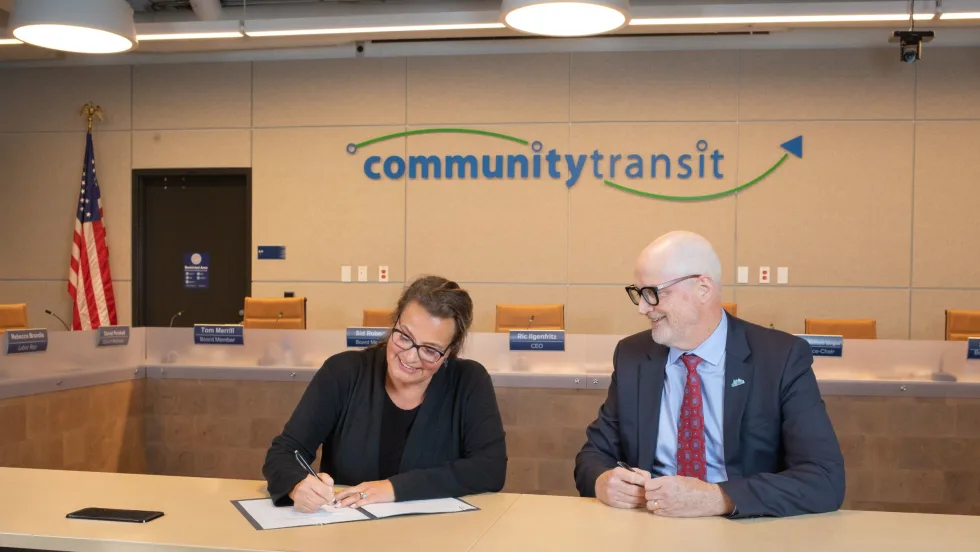
Everett Transit, Community Transit Approve Consolidation of Services
The agreement will bring Everett Transit into Community Transit’s network in April 2027, with plans to increase bus service by 50% by 2031 and expand regional connections.
Read More →
Brian Dickson on Building Stronger, More Resilient Transportation Organizations
Bus Business Consultants Founder Brian Dickson discusses the leadership principles, operational discipline, and strategic planning that separate transportation companies positioned for long-term success from those stuck in survival mode.
Read More →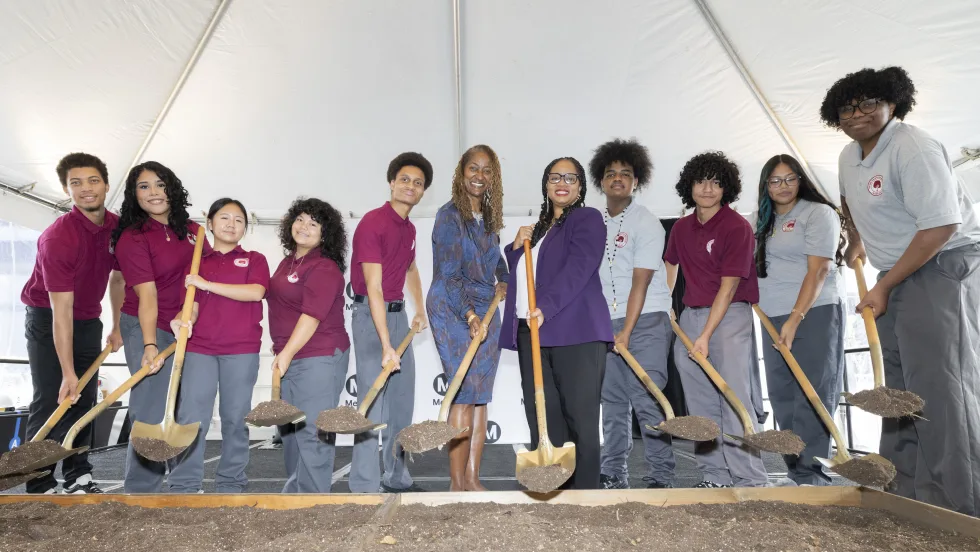
LA Metro Breaks Ground on Vermont BRT Project
The 12.4-mile corridor is projected to serve 66,200 daily riders, reduce travel times by up to 24%, and create the nation's busiest bus rapid transit corridor.
Read More →
Roman Cornell on ABC Companies’ Evolution and the Future of Passenger Transportation
The company’s CEO discusses carrying forward a third-generation family legacy, ABC’s continued evolution in passenger transportation, support for increasingly complex fleets, and how technology and continued investment could help operators improve uptime.
Read More →