



Alstom unveils train design for Italian high-speed rail network
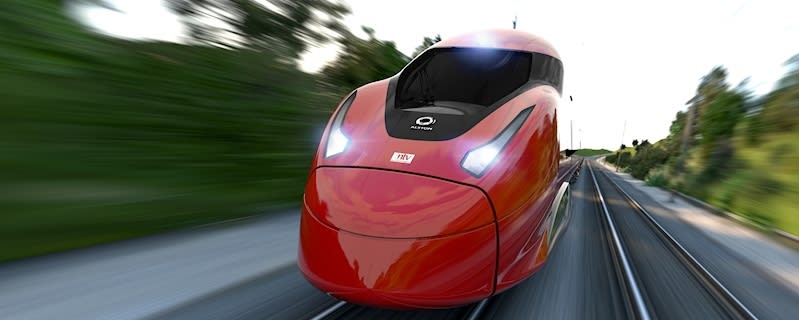
This new train, an evolution of the former Pendolino high speed train, can reach a maximum speed of 155 mph. Measuring 614 feet long, the train will be composed of 7 cars accommodating around 480 passengers.

Alstom

Private rail operator, NTV (Nuovo Trasporto Viaggiatori), unveiled the latest train design and technology being built by Alstom for the Italian high-speed rail network.
The fire-red Pendolino, which features a futuristic front end, is designed to provide crash protection. The design of the train was created by Alstom’s Design & Styling Centre, which also developed the AGV.italo exterior. The interior will be selected and presented to the public in the coming months.
The Pendolino is conceived to be environmentally friendly, per its high recyclability and reduced CO2 emissions. Moreover, its optimized distributed traction system enhances efficiency and acceleration and regenerates energy while braking, according to the company.

This new train, an evolution of the former Pendolino high speed train, can reach a maximum speed of 155 mph. Measuring 614 feet long, the train will be composed of seven cars accommodating around 480 passengers. The major innovation of the train compared to previous generations of Pendolino is its full compatibility with the very latest 2014 TSI (1) regulations established by the European Union. This EU standard contributes to guaranteeing high levels of safety and efficiency. The Pendolino is part of Alstom’s Avelia family (2) which also includes AGV.Italo train previously purchased by NTV.

The Pendolino will complement the existing fleet of 25 AGV, bringing to a total of 33 trains the Italo fleet. NTV will thus expand its network, responding to a growing demand. The objective is to develop the offer of high-speed main lines on the busy north-east and north-west corridor of Italy. This will represent a new opportunity for millions of travellers who constantly travel along these lines. The increase of the fleet will be part of a development process undertaken by NTV, which in 2015 carried more than nine million passengers, an increase of 40% compared to the previous year.
The eight trains, purchased by NTV on 28 October, are already in planning to soon enter in production at Alstom's sites in Savigliano for the design and manufacturing of the trains, Sesto San Giovanni for the traction systems and Bologna for the signalling systems, while the maintenance will be conducted at Alstom’s site in Nola. The trains are scheduled to be delivered in late 2017, ready to enter service in early 2018.
(1)Technical Specifications for Interoperability
(2)The Avelia range is based on 3 current flagship products – Pendolino, Euroduplex and AGV – representing the culmination of 35 years of expertise and more than 1,050 trains in service around the world.
More Rail

How DART's GoPass Is Redefining Regional Mobility
Serving 14 transit agencies, GoPass simplifies multimodal travel by allowing riders to plan, pay for, and manage an entire trip through one app.
Read More →
Amtrak Board Advances Plan to Restructure Organization, Seeks Public Input
The proposal, developed by Amtrak management and approved by the board for further consideration, is intended to modernize the organization's structure while improving accountability, operational efficiency, and customer service.
Read More →
Biz Briefs: STV teams with Amtrak, Motorcoach Operators Boost Fleet and Land Contracts, and More
From manufacturers and suppliers to transit agencies and motorcoach operators, these updates offer a snapshot of the projects, partnerships and business moves driving the industry forward.
Read More →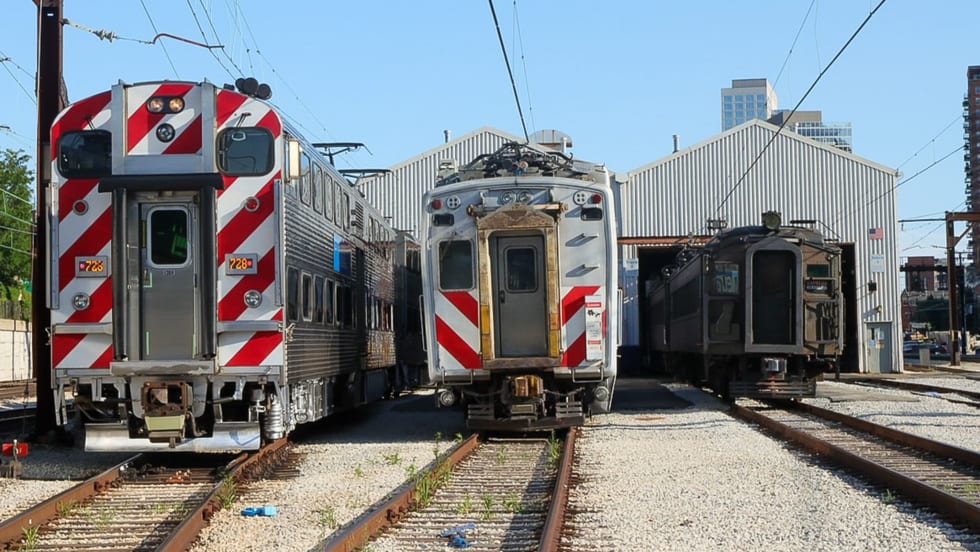
Metra Celebrates 100 Years of Electric Rail, Looks to the Future
The event was also a celebration of recent reforms to public transportation in the Chicago area, changes that could be as transformative in the future as the major civic achievement a century ago, said officials.
Read More →
LA Metro Marks Banner Year, Sets Ambitious Goals for New Fiscal Year
Incoming LA Metro Board Chair and Los Angeles Mayor Karen Bass joined outgoing Board Chair Fernando Dutra and LA Metro CEO Stephanie Wiggins to review accomplishments from fiscal year 2026, which included the opening of new rail extensions, advancement of major transit projects, expanded safety programs, and new rider amenities.
Read More →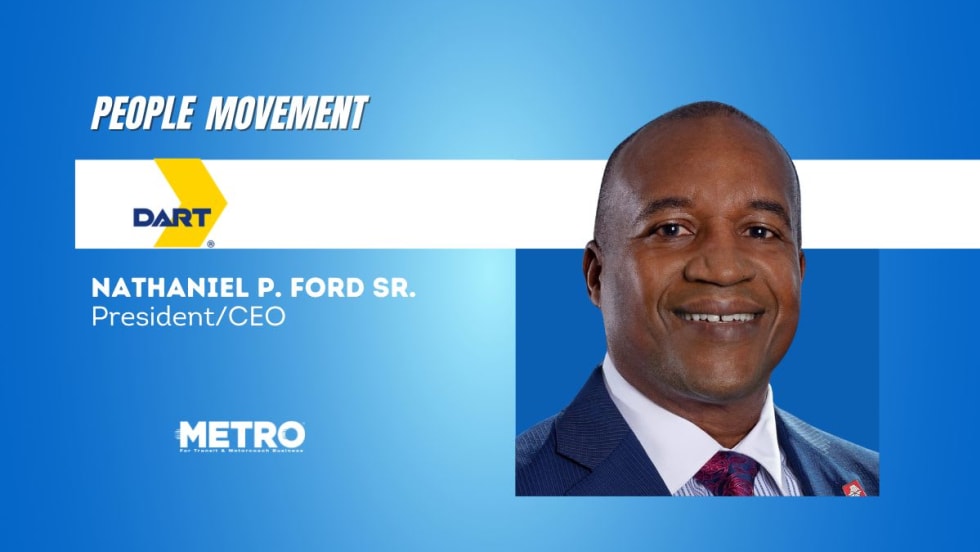
DART Taps Nathaniel P. Ford Sr. as Next President/CEO
Since 2012, Ford has served as the CEO of the Jacksonville Transportation Authority
Read More →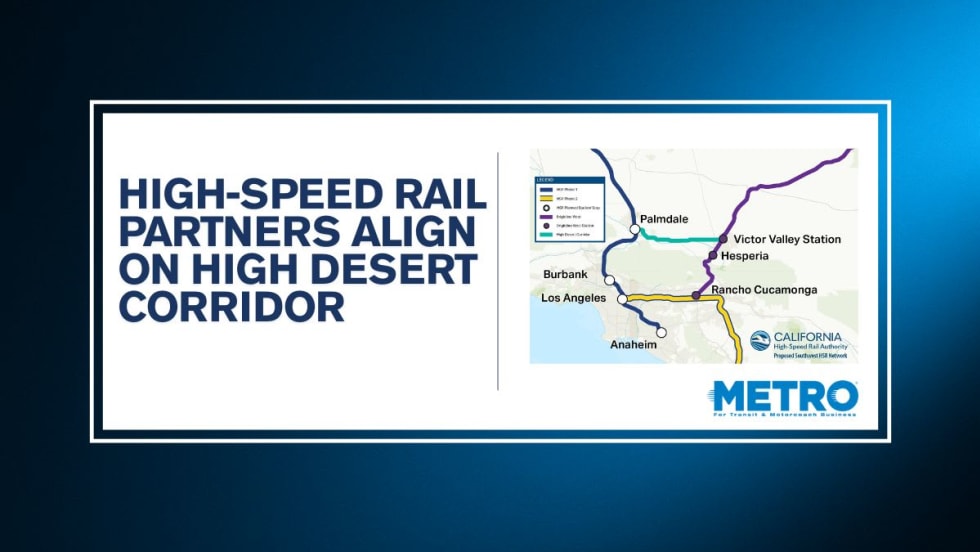
California High-Speed Rail Authority Signs MOU to Advance High Desert Corridor
The agreement deepens collaboration between the California High-Speed Rail Authority and the High Desert Corridor Joint Powers Agency, supporting design integration, cost savings, and faster delivery of a key Southern California rail link.
Read More →
Building the Next Generation of Transit Technology
In this edition of METROspectives, Luminator CEO Magnus Friberg discusses the company's transformation, the growing role of AI and software, and what's next for transit technology.
Read More →
How Data, Strategy, and Community Engagement Are Reshaping Transit
In this edition of METROspectives, strada360 CEO Steve Lassey discusses how transit agencies can better align planning with operations, leverage data to improve decision-making, and build public trust as they prepare for the future of mobility.
Read More →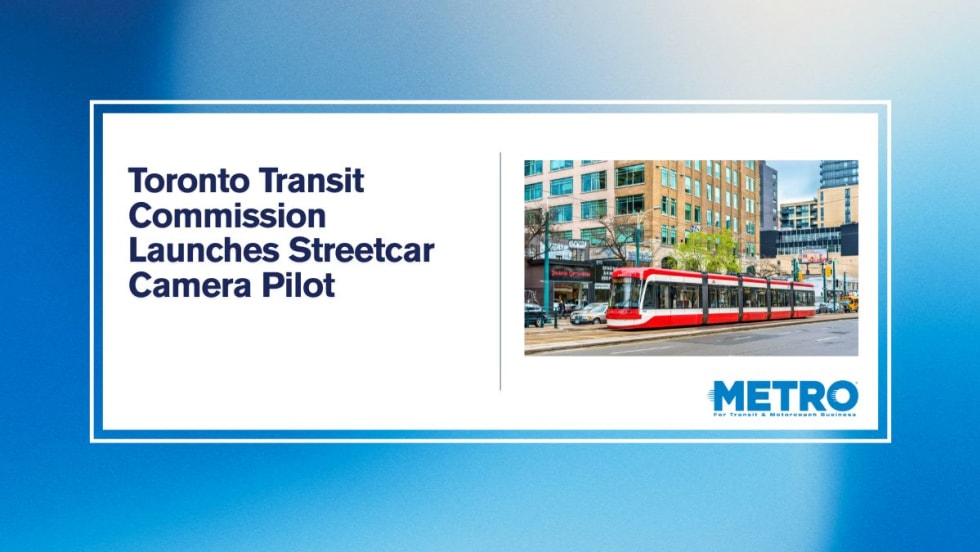
TTC Launches Camera Pilot to Curb Illegal Passing of Streetcars
During the pilot, the cameras will measure how often illegal streetcar passing occurs and test the technology's reliability for future automated enforcement.
Read More →