



Amtrak enhances security with right-of-way protection
Security countermeasures will provide additional right-of-way protections for passenger trains, particularly those operating on the Northeast Corridor. They will join existing Amtrak security efforts focusing on threats related to the use of improvised explosive devices in a station or on a train, or an active shooter scenario.

Amtrak is expanding its comprehensive rail security efforts to provide increased right-of-way (ROW) protection to detect and deter terrorists seeking to derail passenger trains, testified Amtrak Chief of Police John O’Connor before the U.S. Senate Committee on Commerce, Science and Transportation on Tuesday.
Chief O’Connor said threats against rail transportation are very real and “[t]he recent events after the death of bin Laden serve as a stark reminder that these threats continue to be viable.” He stressed the interest of terrorists in derailing trains is of particular concern to Amtrak which “operates high-speed rail trains where catastrophic losses could occur.”
The security countermeasures will provide additional ROW protections for passenger trains, particularly those operating on the Amtrak-owned Northeast Corridor. They will join existing Amtrak security efforts focusing on threats related to the use of improvised explosive devices (IEDs) in a station or on a train, or an active shooter scenario.
Historically, Amtrak has used a range of security strategies such as high security fencing, bollards, blast curtains, access control and technologically driven initiatives to protect stations, bridges and tunnels. Amtrak is exploring the expanded use of these strategies for ROW protection.
Since the U.S. raid on the bin Laden compound, Amtrak has bolstered current security actions, expanded ROW patrols in collaboration with other federal, state and local partners and met with officials from the Transportation Security Administration (TSA) to evaluate next steps based on the intelligence gathered.
Amtrak also is reinforcing employee awareness programs, particularly with personnel from its Engineering and Mechanical departments, to encourage vigilance and the reporting of unusual occurrences on the ROW.
In addition, O’Connor noted that Amtrak is working with TSA to integrate sensor technology with cameras to monitor for intrusions along the ROW. Other technologies being developed by Amtrak will improve upon existing security strategy and operations, enhance interagency information sharing and local agency response to Amtrak incidents.
O’Connor said Amtrak is committed to “let our risk assessments drive security investment” and that the railroad will continue existing security strategies such as canine explosive detection teams, random passenger baggage screening, and uniformed patrols at stations and on trains.
Furthermore, Amtrak is a member of FBI Joint Terrorism Task Forces and an active participant in the TSA “See Something, Say Something” public awareness campaign.
The Amtrak Police Department also recently launched a new neighborhood watch style program called Partners for Amtrak Safety and Security (PASS) that seeks to utilize the knowledge of passengers and others who travel throughout the Amtrak national system in identifying and reporting behaviors or activities that are unusual or out of the ordinary.
More Rail

Transit Expands Agency Partnerships, Reaching 200 Official App Partners
COO Jake Sion discusses Transit’s growth, the success of its Transit Royale program, and how technology is helping agencies improve the rider experience.
Read More →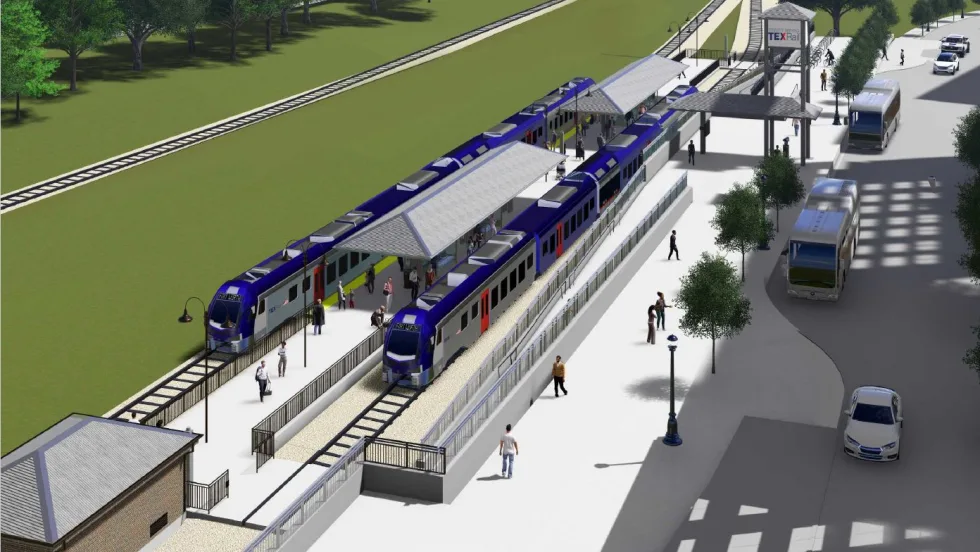
Trinity Metro Breaks Ground on $270M TEXRail Extension
The 2.1-mile extension will connect Fort Worth’s Medical District and Near Southside to downtown, surrounding communities, and Dallas-Fort Worth International Airport.
Read More →
Bringing Austin’s First Light Rail System to Life
Austin Transit Partnership CEO Greg Canally discusses the city's nearly 10-mile light rail project, its collaborative approach to project delivery, the importance of community engagement, and the milestones ahead as construction approaches in 2027.
Read More →
Metra Draft Plan Outlines Costs, Service Improvements for Regional Rail
The Systemwide Network Plan identifies infrastructure needs and potential investments to expand all-day, bidirectional rail service across the Chicago region.
Read More →
Amtrak Completes First Street Tunnel Upgrades, Restores Service
The nine-day construction project included replacing aging track infrastructure and modernizing switch systems near Washington Union Station.
Read More →
FRA Announces $2.3B for Passenger, Freight Rail Projects Nationwide
The CRISI Grant Program funding will support rail infrastructure improvements, safety upgrades, and projects aimed at improving freight and passenger rail service across 45 states and Washington, D.C.
Read More →
Caltrain’s Electrification Drives a New Era of Ridership Growth
The railroad’s shift to electric service has brought more frequent trains, stronger customer satisfaction, and increased ridership, earning it APTA’s Outstanding Public Transportation System award.
Read More →
FTA Advances $164M Broward County Commuter Rail Project
The proposed 10.5-mile commuter rail extension would connect Fort Lauderdale and Aventura, expanding passenger rail options in South Florida.
Read More →
New York MTA Launches Historic $1.9B Signal, Track Modernization Project
Funded in part by congestion pricing revenue, the project will replace nearly century-old signals along the A and C lines in Brooklyn and Queens.
Read More →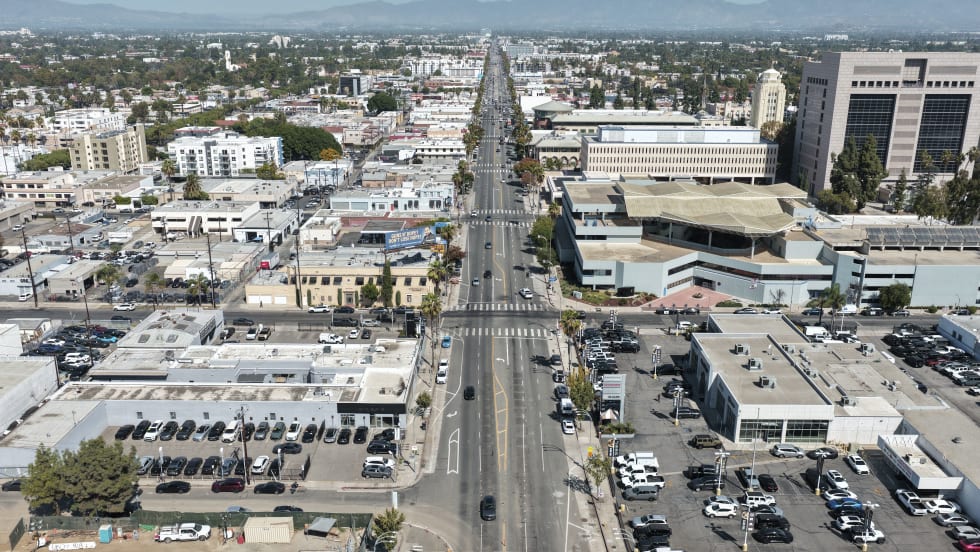
LA Metro Breaks Ground on East San Fernando Valley Light Rail Project
The 6.7-mile line will add 11 stations along Van Nuys Boulevard, expand access to jobs and regional transit connections, and support Metro’s broader efforts to improve mobility as rail ridership grows.
Read More →