



APTA: 84 percent of transit systems raising fares, cutting service
The association’s latest report, "Impacts of the Recession on Public Transportation Agencies", shows that since Jan. 1, 2009, 84 percent of public transit systems have raised fares, cut service or are considering either of those actions. Fifty-nine percent of public transit systems reported that they have already cut service or raised fares.

Public transportation systems are facing unprecedented funding challenges due to widespread declining state and local revenues, and have been forced to take a number of critical actions including: raising fares, cutting service and laying off employees, according to a new survey released on Thursday by the American Public Transportation Association (APTA).
The report, "Impacts of the Recession on Public Transportation Agencies," shows that since Jan. 1, 2009, 84 percent of public transit systems have raised fares, cut service or are considering either of those actions. Fifty-nine percent of public transit systems reported that they have already cut service or raised fares.
Service cuts that have been either implemented or will be considered for future action include: reductions in rush hour service (56 percent), reductions in off-peak service (62 percent) and reductions in geographic coverage (40 percent).
The severity of the funding situation is evident with seven out of ten public transit systems (69 percent) projecting budget shortfalls in their next fiscal year. According to the report, public transit systems have taken significant personnel actions to reduce spending. A total of 68 percent of public transportation systems have eliminated positions or are considering doing so in the future. Nearly half (47 percent) of public transit systems have laid off employees or are considering layoffs in the future.
In addition, more than half (54 percent) of public transportation systems responding have transferred funds from capital use to operations, thus aggravating efforts to keep systems in a state of good repair.
“Public transportation is experiencing a funding crisis and it is negatively impacting the millions of riders who depend on public transportation every day,” said APTA President William Millar. “The results of this survey are grim as many public transportation systems are facing large budget shortfalls due to declining state and local revenues.
“As bad as things are today, more drastic service cuts, fare increases, layoffs, and deferred capital projects will occur if this problem is not addressed,” said Millar.
“I call on Congress to provide federal funds for operating expenses during this economic recession,” said Millar. “This funding crisis is not going away. Without help from the federal government, transit riders will be left behind at the curb or station.”
The American Recovery and Reinvestment Act (ARRA) supported and created more than 200,000 jobs, through both capital investment and up to 10 percent of funding for operating expenses. APTA’s survey found that about one-third of public transit systems used some of their ARRA funds to pay operating costs. In December, the U.S. House of Representatives approved “The Jobs for Main Street Act,” which provides an additional $8.4 billion for public transportation, including funds for both capital and operating expenses.
“I urge the Senate to act now on its version of a new jobs bill, especially since no ARRA funding remains available for new grants,” said Millar. “Absent a new jobs bill, further layoffs will occur as ARRA projects are completed.”
Noting that nearly 60 percent of all the trips taken on public transportation are taken to commute to and from work, Millar said, “Now is not the time to cut service that helps people commute to work or enables the unemployed to look for work. Now is the time for federal, state and local governments to invest in public transportation to help support and create jobs, and maintain service to the public.”
The report is based on a survey of 151 APTA transit system members representing more than 80 percent of the nation’s transit riders, and includes 19 of the top 25 agencies in terms of annual ridership.
To view the full report, go to:
http://www.apta.com/resources/reportsandpublications/Documents/Impacts_of_Recession_March_2010.pdf
More Paratransit

Biz Briefs: RIPTA Unveils New Frontrunners, Clevland RTA Adds New Siemens, and More
In METRO's latest installment, we take a look at recent news from Siemens, Prevost, Dodge, and more partnerships making headlines across the transportation sector.
Read More →
King County Metro Makes ADA Paratransit Easier to Navigate
METRO's Innovative Solutions Award winner replaces complex service-area descriptions with an accessible, interactive map that puts paratransit information directly in customers’ hands.
Read More →
Jacksonville’s NAVI Project Charts a New Course for Autonomous Public Transportation
Through its NAVI program, JTA is showing how autonomous vehicles, intelligent infrastructure, and coordinated operations can work together to deliver everyday public transportation.
Read More →
Driving Smarter Paratransit
John Hanlon shares how AlphaRoute is leveraging AI-powered technology to help paratransit providers optimize operations, support frontline staff, and enhance the rider experience.
Read More →
METRO Magazine Announces 2026 Innovative Solutions Awards Winners
Projects Recognized for Advancing Mobility Through Technology, Accessibility, Workforce Innovation, and Operational Excellence
Read More →
Biz Briefs: STV teams with Amtrak, Motorcoach Operators Boost Fleet and Land Contracts, and More
From manufacturers and suppliers to transit agencies and motorcoach operators, these updates offer a snapshot of the projects, partnerships and business moves driving the industry forward.
Read More →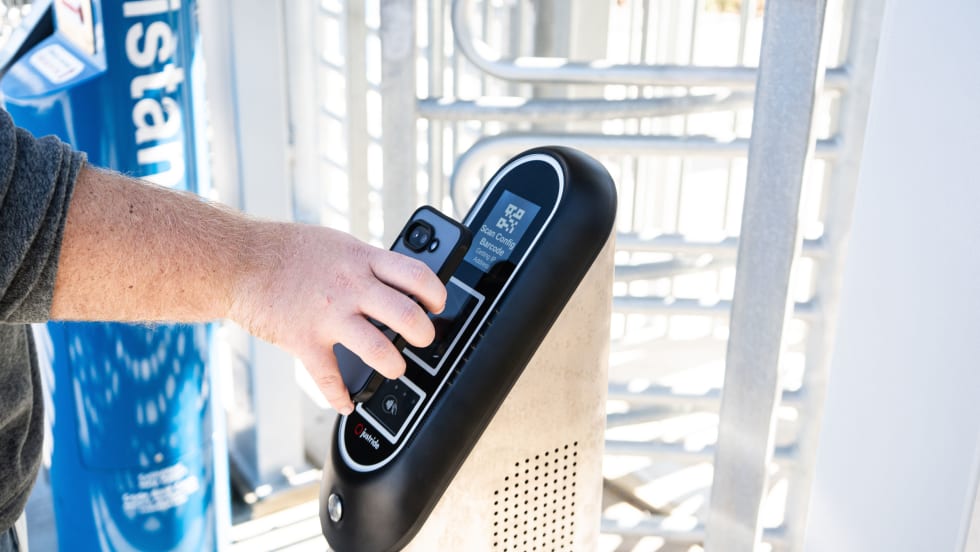
Biz Briefs: Masabi Teams with St. Louis Metro and More
In METRO's latest installment, we take a look at recent news from Transdev, Hitachi, and more partnerships making headlines across the transportation sector.
Read More →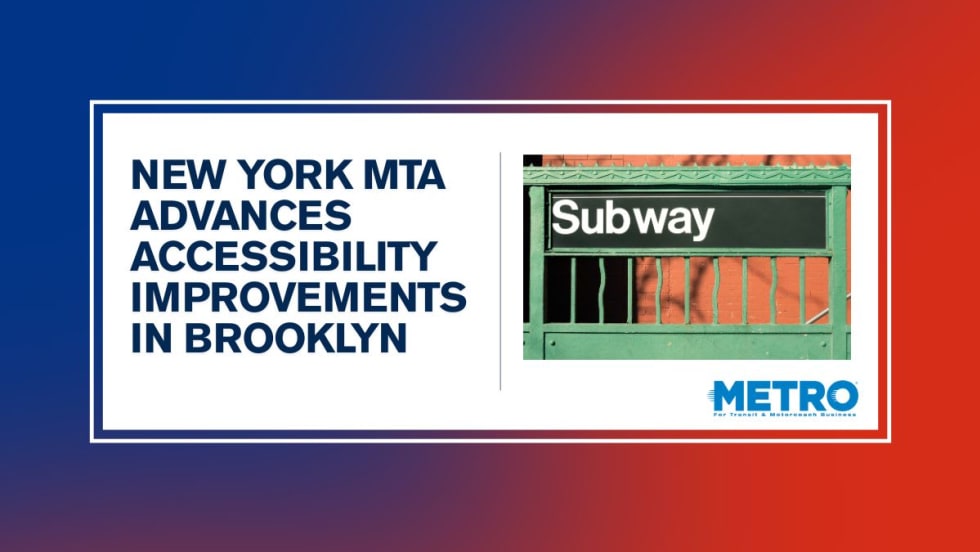
New York MTA Leverages Zoning Program to Advance Station Accessibility
Accessibility enhancements at Nevins St Station will be financed through a development agreement tied to the MTA's Zoning for Accessibility initiative.
Read More →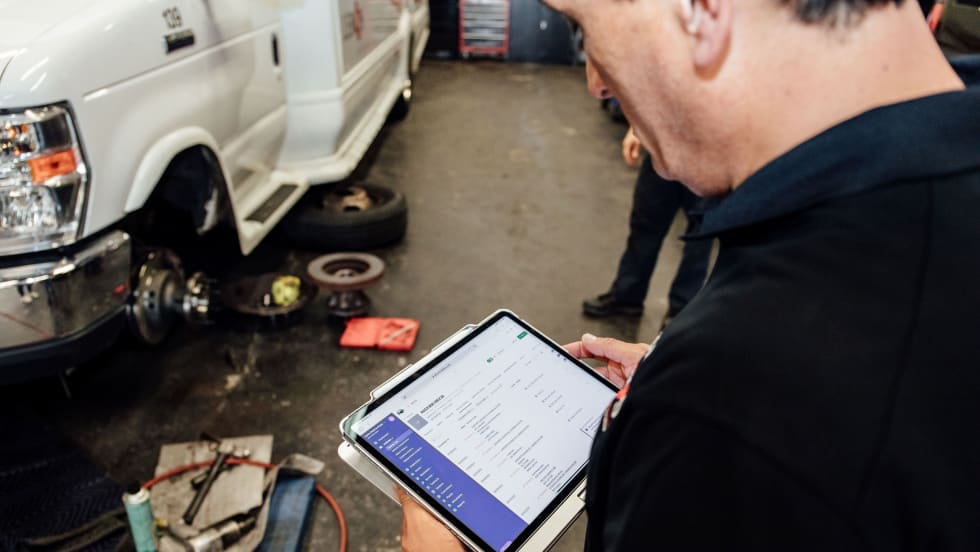
Reinventing Fleet Maintenance with Real-time Visibility and AI
Transit leaders need to know what needs fixing, where to look, who is responsible, when work is completed, and what it costs without having to chase information across disconnected systems.
Read More →
SamTrans Sets Priorities for Potential Connect Bay Area Revenue
The board-approved framework allocates future funding to maintaining service, rider improvements, equity initiatives, and infrastructure repairs.
Read More →