



APTA: PT needs additional $3.9B annually for seniors
Study highlights the need for an increase in operations to address the growing senior population. This includes more bus operator training, incorporating travel needs of older people in route planning and stop placement, and coordination with other agencies and transportation providers.

To serve the rapidly growing portion of Americans older than 65, public transportation will incur increased operating and capital costs on the order of another $3.9 billion annually by 2030, according to a new study conducted for the American Public Transportation Association (APTA).
APTA released the study in recognition of May as Older Americans Month, which is designated by the U.S. Department of Health and Human Services’ Administration on Aging. Public transit systems nationwide are also highlighting their service to seniors during this month.
Public transit systems are highlighting specific services such as “how to ride the bus” classes, “Seniors Ride Free” passes and reduced fares for older riders. Transit systems will also conduct health fairs, promote senior mentor programs for first time riders and many public transit systems across the country will be encouraging seniors to increase their mobility options by using the local fixed-route transit service.
The APTA study highlights the need for an increase in operations to address the growing senior population. This includes more bus operator training, incorporating travel needs of older people in route planning and stop placement, and coordination with other agencies and transportation providers. Increased capital needs include more low-floor and kneeling buses, improved interior circulation, additional stanchions and grab bars, and other accessibility features, according to the study, Funding the Public Transportation Needs of an Aging Population.
The study was conducted for APTA by Nelson/Nygaard Consulting and with additional guidance from a working group that includes the Community Transportation Association of America, Easter Seals and AARP.
In addition, to help older people take advantage of existing services, public transportation systems will need to expand flexible route and community transportation services, Americans with Disabilities Act (ADA) complementary paratransit, demand-response service, taxi subsidy programs and volunteer driver programs. Public transit systems will also need to make information more accessible, as well as expand assistance, outreach and staff training programs.
To read the full study and to see examples of local systems’ May activities in recognition of Older Americans Month visit www.apta.com.
More Paratransit

Driving Smarter Paratransit
John Hanlon shares how AlphaRoute is leveraging AI-powered technology to help paratransit providers optimize operations, support frontline staff, and enhance the rider experience.
Read More →
METRO Magazine Announces 2026 Innovative Solutions Awards Winners
Projects Recognized for Advancing Mobility Through Technology, Accessibility, Workforce Innovation, and Operational Excellence
Read More →
Biz Briefs: STV teams with Amtrak, Motorcoach Operators Boost Fleet and Land Contracts, and More
From manufacturers and suppliers to transit agencies and motorcoach operators, these updates offer a snapshot of the projects, partnerships and business moves driving the industry forward.
Read More →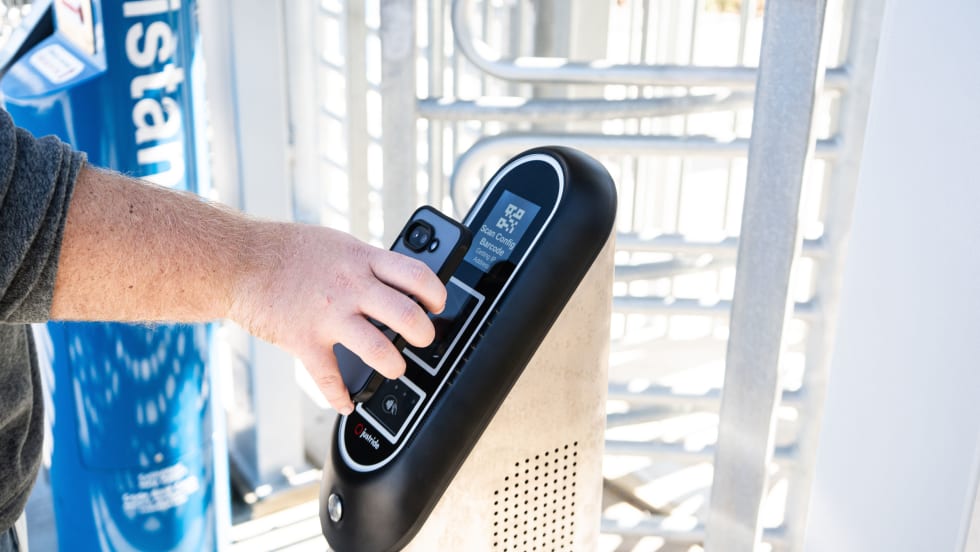
Biz Briefs: Masabi Teams with St. Louis Metro and More
In METRO's latest installment, we take a look at recent news from Transdev, Hitachi, and more partnerships making headlines across the transportation sector.
Read More →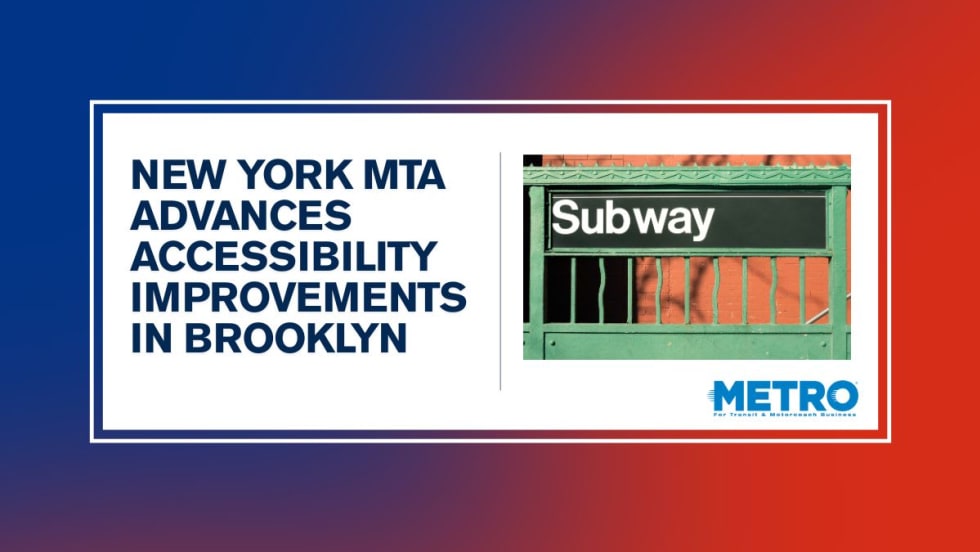
New York MTA Leverages Zoning Program to Advance Station Accessibility
Accessibility enhancements at Nevins St Station will be financed through a development agreement tied to the MTA's Zoning for Accessibility initiative.
Read More →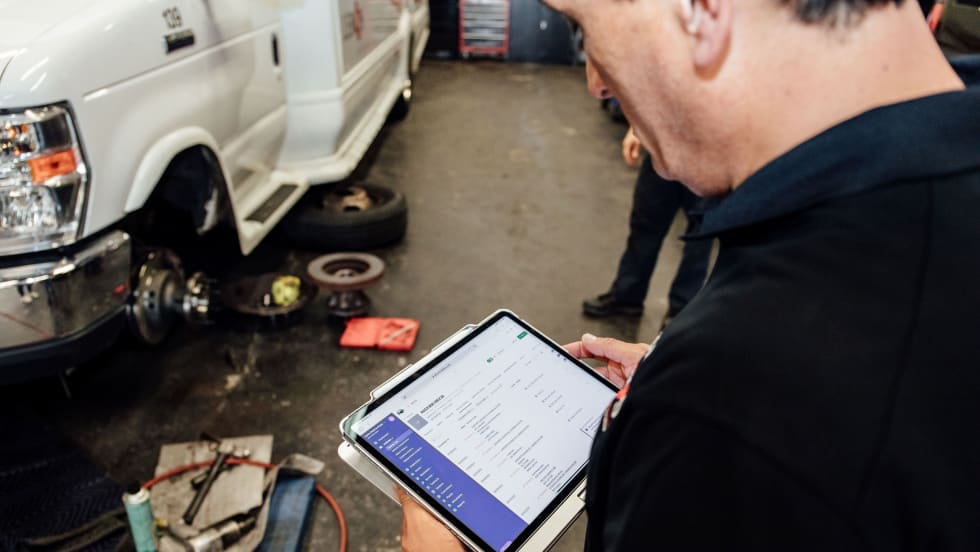
Reinventing Fleet Maintenance with Real-time Visibility and AI
Transit leaders need to know what needs fixing, where to look, who is responsible, when work is completed, and what it costs without having to chase information across disconnected systems.
Read More →
SamTrans Sets Priorities for Potential Connect Bay Area Revenue
The board-approved framework allocates future funding to maintaining service, rider improvements, equity initiatives, and infrastructure repairs.
Read More →
Chicago's NITA Act Moves Into Next Phase as Service Improvements Begin
Rider-focused improvements will begin rolling out across the system immediately as CTA, Metra, and Pace increase service this summer in the six-county region.
Read More →
2026 METRO Buyer’s Guide & Directory
Searching for the right vehicles, technology, equipment, or services for your public transit or motorcoach operation? This industry guide brings together manufacturers and suppliers from across the transportation market — all in one place. Download it to connect with the companies that help agencies and operators improve mobility, enhance operations, and move their organizations forward.
Read More →
Rays the Mark Foundation to Honor CDTA’s Emily DeVito at October Fundraiser
Event at Chicago-area Ravisloe Country Club will support DeVito, a transit employee and mother of twins battling kidney failure and awaiting a transplant.
Read More →