



Biz Briefs: Intersection, Masabi, Flix, and More
Biz Briefs covers the latest news in the transit and motorcoach industries.

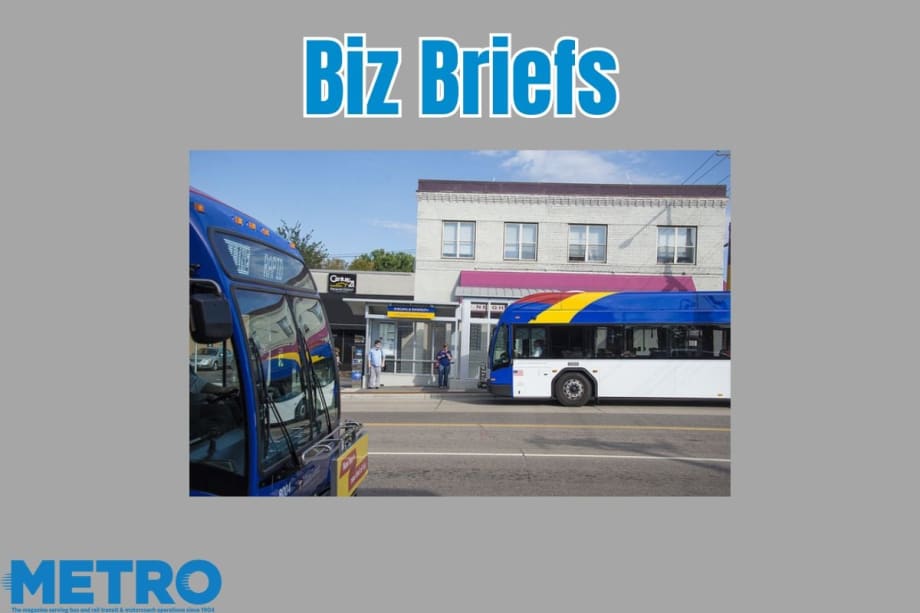
Prior to this deployment, Metro Transit’s network of more than 150 bus shelters contained only static advertising panels.
Photo: Metro Transit
Biz Briefs covers the latest news in the transit and motorcoach industries.
METRO's latest installment include new partnerships in Minneapolis; Madison, Wis.; Savannah, Ga.; and Mexico.
Minneapolis’ Metro Transit to Deploy Intersection Digital Bus Shelters
Intersection and Metro Transit announced the deployment of 12 new, state-of-the-art digital bus shelters throughout the Minneapolis and St. Paul region.
Prior to this deployment, Metro Transit’s network of more than 150 bus shelters contained only static advertising panels.
The introduction of 75-inch digital screens provides opportunities for brands to engage with customers through more dynamic content in the busiest parts of the city — and allows Metro Transit to share transit information with customers, ultimately improving everyday rider experiences.
Intersection and Metro Transit will have a total of 40 digital shelters deployed over the next six months. Digital bus shelters are positioned within high traffic areas of the Twin Cities, including the busy downtown core and high traffic suburban locations.
Masabi Teams to Provide Fare Payment in Madison, Wisconsin
Wisconsin’s Madison Metro Transit and Masabi are launching an innovative, next-generation fare payment system across Metro Transit’s entire network, including its new bus rapid transit (BRT) service.
The system introduces Account-Based Ticketing through the new Metro Fast Fare Card smart cards, ensuring a seamless and flexible payment experience for all users who no longer need to select their fare or purchase a pass before boarding. Instead, they simply Tap and Ride.
The cards are linked to online accounts, allowing users to easily manage and reload their accounts wherever they are, eliminating the need to wait in line or use cash, and delivering a contactless, convenient way to pay for transit.
To reduce dwell times, onboard validators have been installed across the Metro Transit fleet to facilitate quicker boarding. Regular buses feature two validators, while the new BRT buses are equipped with three, enabling multi-door boarding.
Transit Sales International to Modernize Bus for Georgia Operator
Transit Sales International (TSI) announced a further delivery to Kelly Tours of Savannah, Ga., for two 35-foot model year 2005 GILLIG transit buses.
TSI will bring the vehicles to operational readiness through its comprehensive process to ensure that all systems are fully operational and ready for service for Kelly Tours.
TSI’s process involves inspection and service to all functional systems of the bus and the exterior will receive a fresh coat of white paint.
The acquisition of these buses will further enhance Kelly Tours’ fleet building on a previous contract of eight buses delivered in 2023.
Flix Launching Service in Mexico
Flix SE announced its next major expansion into Mexico, the world’s third largest bus market. This launch comes as Flix continues to build on its global success.
In the first half of 2025, Flix will officially begin operations in Mexico, marking a major milestone in the company’s Latin American expansion. With Mexico’s extensive bus-travel culture, Flix will offer its innovative, tech-enabled travel solutions to millions of new customers.
Mexico is the third major Latin-American country in which Flix will operate, following successful launches in Brazil and Chile, where the company has experienced rapid growth and expansion.
The new Flix-branded lines will be operated by local partners and focus on domestic network within Mexico. Currently, Flix is present in the country through Greyhound Lines, which serves the northern regions of Mexico, connecting them to the U.S. This is part of Flix's North America operations.
More Technology

From Hardware to Digital Partner: Luminator Charts Its Next Chapter
CEO Magnus Friberg discusses Luminator’s shift toward becoming a digital partner, the growing importance of software and interoperability, and how AI can help agencies improve operations and passenger experience.
Read More →
Beyond the Checklist: A Structured Approach to Transit Maintenance
Reliability-Centered Maintenance helps transit agencies move beyond routine checklists to focus limited resources on the assets and failures that have the greatest impact on safety, reliability, and service.
Read More →
NJ TRANSIT Advances Bus Technology Upgrades Across Statewide Fleet
More than 1,500 buses now feature upgraded technology designed to improve arrival predictions and provide free Wi-Fi, with deployment expected to reach nearly 2,000 buses by the end of 2026.
Read More →

Building a Flexible Path to Transit Electrification
John Hroncich discusses BAE Systems’ modular and scalable approach, lessons learned from decades of real-world operations, and how agencies can identify electrification strategies that fit their fleets.
Read More →
Biz Briefs: Alstom Lands Canadian Contract, LYT to Supply California TSP, and More
In METRO's latest installment, we take a look at recent news from Complete Coach Works, Beep, FlixBus, and more partnerships making headlines across the transportation sector.
Read More →
From Legacy Silos to Conversational Intelligence
What if transit leaders could ask any operational question and get a trusted answer in seconds? Conversational AI is transforming how agencies use their data.
Read More →
USDOT Announces Rail Vehicle Replacement Grants, Chattanooga AV Shuttle Funding
More than $191 million in federal funding will help three transit agencies replace aging rail vehicles and support a new autonomous shuttle service in Chattanooga.
Read More →
Bus Tech Talk: Keeping Transit Technicians Ahead of the Technology Curve
LA Metro’s Obed Mejia discusses technician training, evolving maintenance technology, fleet replacement, and strategies for getting the most out of today’s transit fleets.
Read More →
Biz Briefs: RIPTA Unveils New Frontrunners, Clevland RTA Adds New Siemens, and More
In METRO's latest installment, we take a look at recent news from Siemens, Prevost, Dodge, and more partnerships making headlines across the transportation sector.
Read More →
Why Simulating Pedestrian Movement Has Become Essential for Modern Rail Stations
Pedestrian microsimulation is helping rail planners identify bottlenecks, test station designs, and prepare complex transit hubs for growing passenger volumes.
Read More →