



Black Boxes on Buses May Block False Claims
The Utah Transit Authority, as well as several other transportation agencies around the country, has begun investigating “black box” technology that will provide objective evidence of what passengers experience during an accident.

A common problem facing the transportation industry today is injury claims resulting from minor accidents. The Utah Transit Authority, as well as several other transportation agencies around the country, has begun investigating “black box” technology that will provide objective evidence of what passengers experience during an accident. “We were interested because we’ve done some impact studies before on our buses and found that the forces involved in an impact inside a bus are generally not very severe," said David Pitcher, a claims administrator with the UTA "Yet, we get a lot of injury claims from passengers claiming that they were injured in accidents that don’t cause a whole lot of damage to the bus.” The UTA tested the latest black-box technology from Independent Witness Inc., of Salt Lake City, by crashing a bus into a passenger car. At the time of impact, the box measures and records the date, time, severity, magnitude and direction related to the accident. “We were mainly wanting to find out how accurate the product was,” Pitcher said. UTA had an accident reconstructionist onsite to analyze the data and determine accuracy, which was very good, according to Pitcher. “These tests that we performed for the UTA basically delineated that a typical transportation bus can sustain about a 15 to 20 mph impact into a typical passenger vehicle, and it is a trivial event for any occupant on the bus,” said CEO Scott McClellan of Independent Witness. “We totaled a passenger vehicle and measured what occurred on the bus, and the delta-v (forces) were less than what you would experience on an amusement park ride.” Some auto-makers have used similar technology to analyze crash data, but those devices also monitor other components, including driver actions. “That’s all very important information, but it doesn’t help delineate the injury causing potential,” said McClellan. “It sheds light on who’s at fault and who may have contributing negligence.” Such information may stimulate further liability. The technology will help ensure that legitimate claims are properly compensated, while exaggerated claims can be refuted, says McClellan. “We know that certainly when people are injured they deserve to be fairly compensated. And when people are trying to cheat the system there should be some sort of objective means to evaluate that, and currently that condition does not exist," McClellan says. "We provide objective evidence to help both sides reach an amicable settlement quickly with objective evidence, not just speculation and hearsay.”
More Management
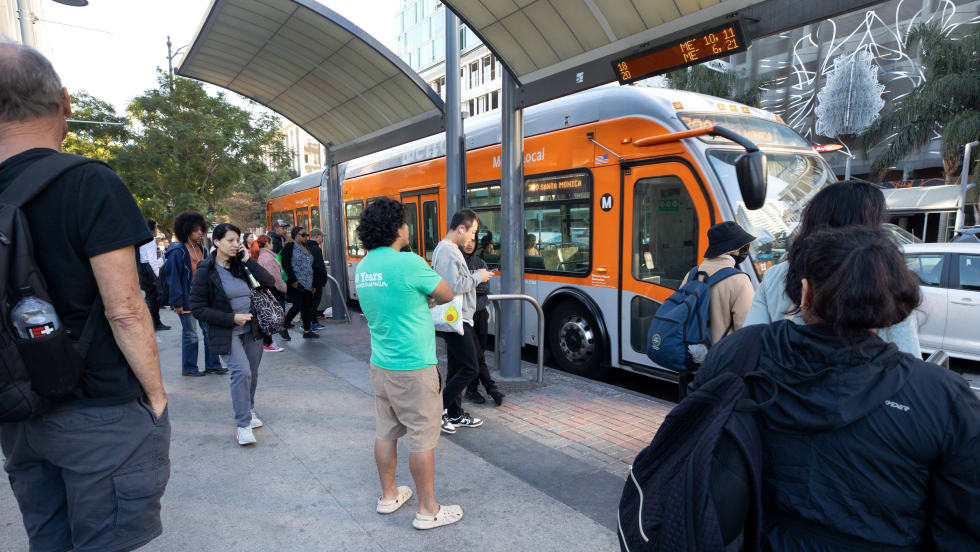
LA Metro Ridership Continues Growth as Rail Gains Accelerate
New rail connections and major events help drive continued ridership gains, with Metro recording its eighth consecutive month of year-over-year rail growth.
Read More →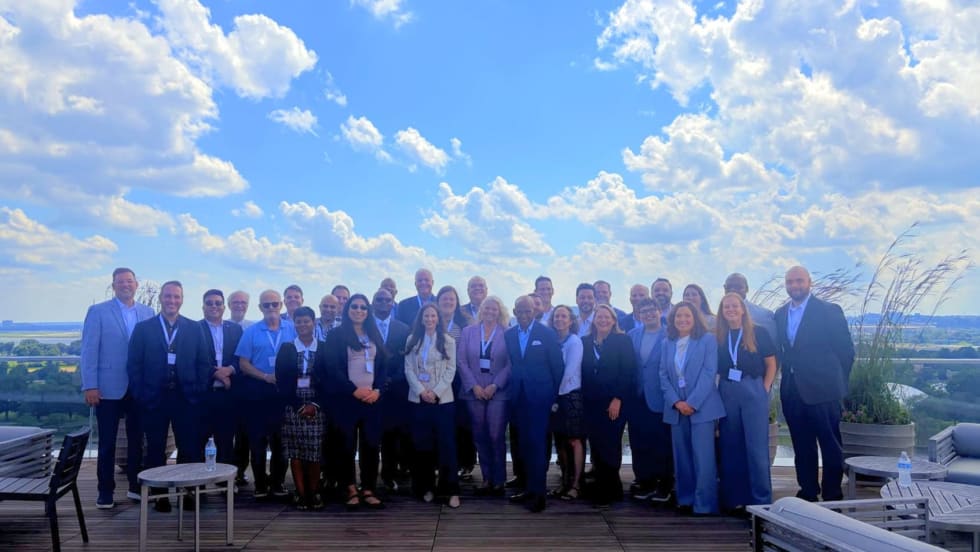
TransDASH Summit Focuses on Measuring What Matters in Transit
Transit agencies unveil a national performance platform designed to benchmark customer experience, safety, community value, and other outcomes.
Read More →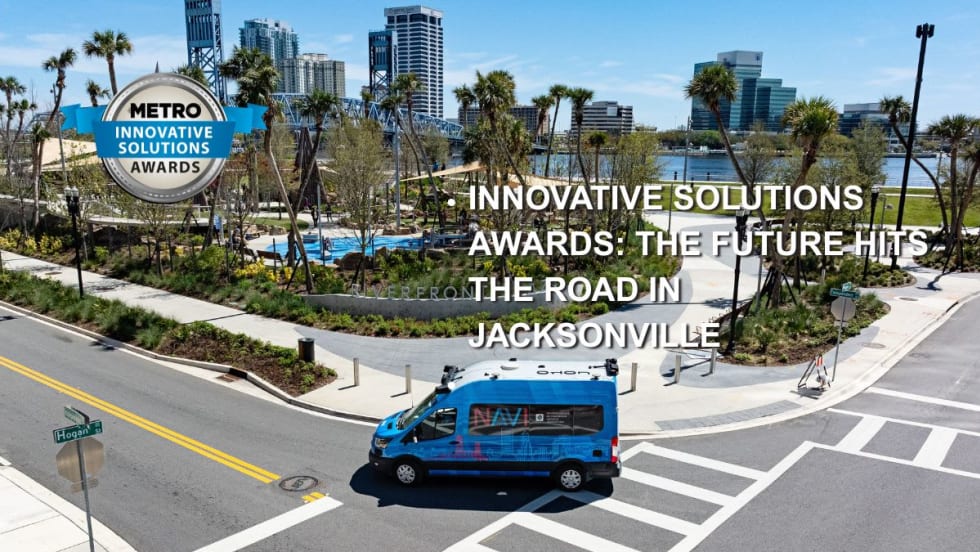
Jacksonville’s NAVI Project Charts a New Course for Autonomous Public Transportation
Through its NAVI program, JTA is showing how autonomous vehicles, intelligent infrastructure, and coordinated operations can work together to deliver everyday public transportation.
Read More →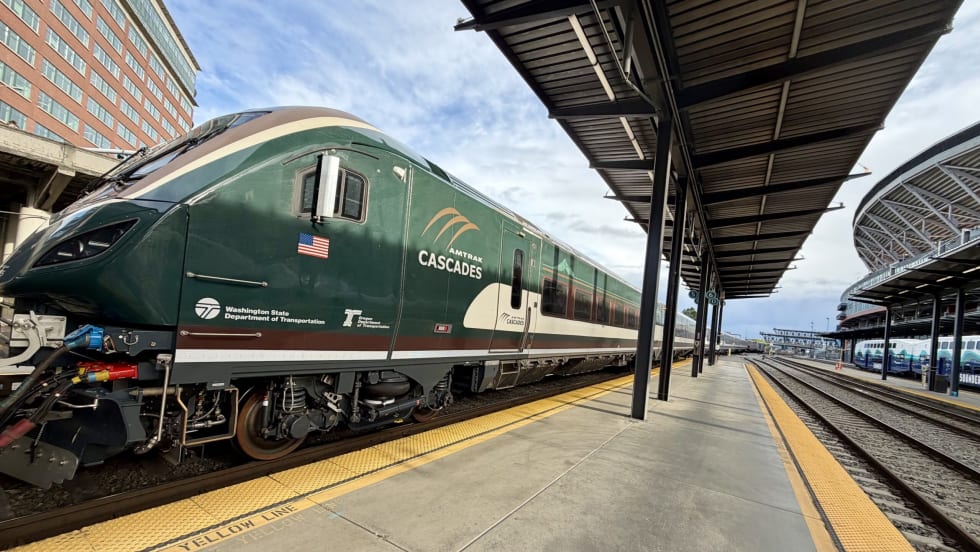
FRA Announces $5.3B in Rail Investments, Including $2B for Amtrak
Funding will support grade-crossing improvements, infrastructure upgrades, and new Amtrak equipment in 23 states.
Read More →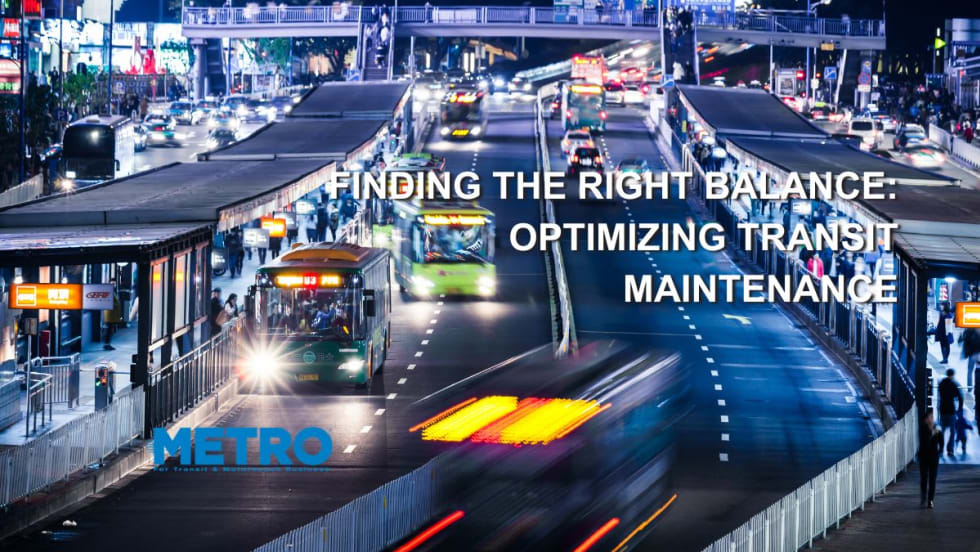
Finding the ‘Happy Medium’: Optimizing Maintenance Without Sacrificing Reliability
The key to maintenance optimization isn’t doing less work—it’s doing the right work at the right time on the right assets.
Read More →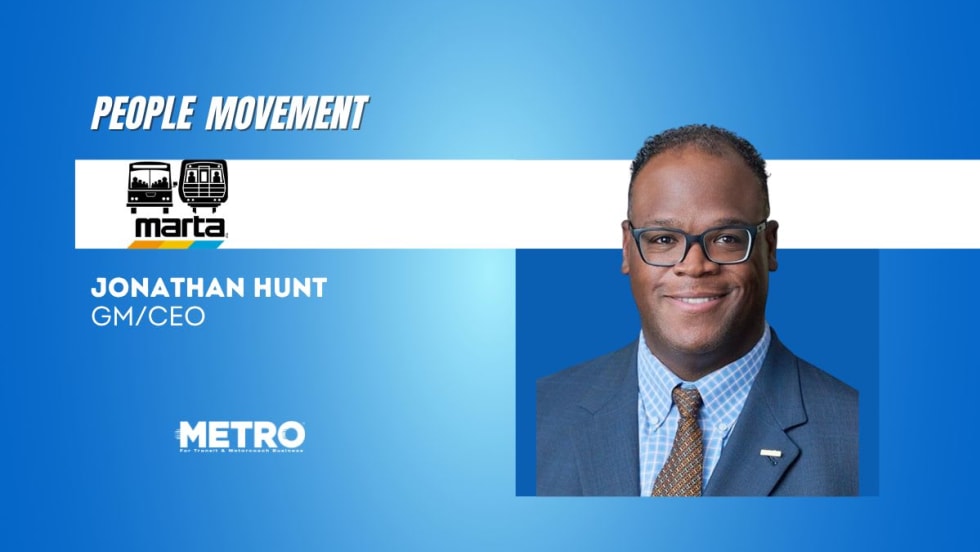
People Movement: MARTA Drops Interim Tag on GM/CEO Hunt and More
In this edition, METRO covers recent appointments and announcements at the FMCSA, HDR, SilverRide, and more, showcasing the individuals helping to shape the future of transportation.
Read More →
VIA Metropolitan Transit Reports 2 Million More Passenger Trips as Better Bus Plan Gains Momentum
San Antonio's transit agency said accelerated service improvements are driving ridership growth, offering another example of how increased frequency and workforce investments can translate into stronger transit performance.
Read More →
ABAF Study Reveals Growing Insurance Crisis for Motorcoach Operators
Preliminary findings show 98% of operators faced premium increases over the past five years, while shrinking insurer participation is putting added pressure on businesses and customers.
Read More →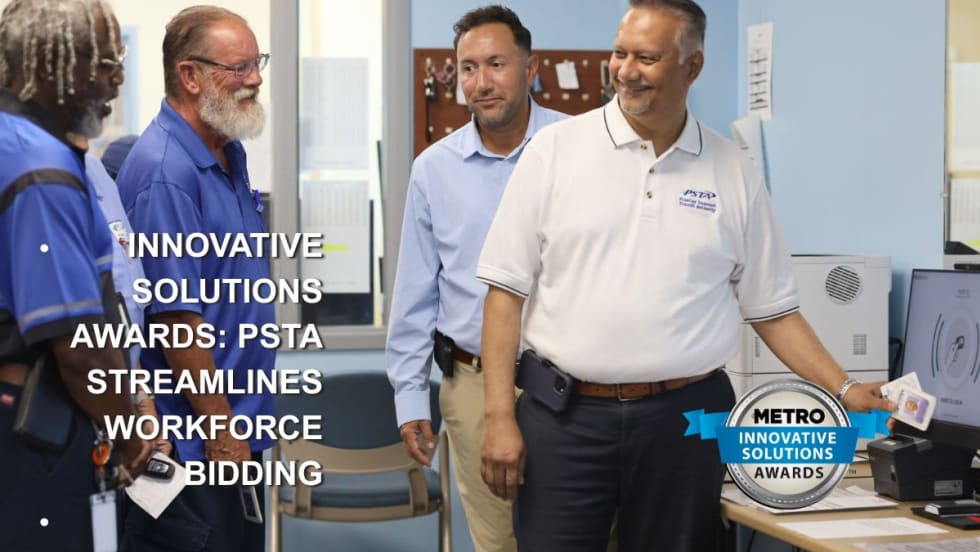
PSTA Modernizes Workforce Management with Digital Bidding System
The award-winning Workforce Transit Modernization project replaced paper bidding with a transparent digital platform, cutting administrative effort while improving access for operators.
Read More →
Chicago to Host Public Transportation's Biggest Gathering at APTA TRANSform & EXPO 2026
North America’s largest public transportation gathering returns to Chicago, connecting transit decision-makers with the technologies, ideas, and partnerships driving the industry forward.
Read More →