




RELATED: Cities may be completely redesigned around changed mobility
Bolt Mobility launches e-scooters with swappable batteries
Company has fleets of personal electric scooters on the streets of Fort Lauderdale, Florida; Arlington, Virginia; and Alexandria, Virginia.
March 14, 2019

Bolt Mobility launched a personal electric scooters featuring swappable batteries and a pre-trip braking preview. Screenshot: Bolt Mobility
2 min to read
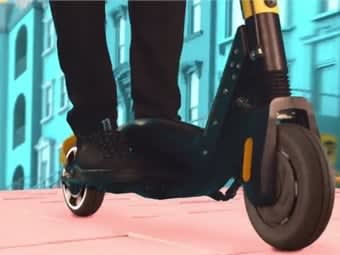
Bolt Mobility launched a personal electric scooters featuring swappable batteries and a pre-trip braking preview. Screenshot: Bolt Mobility
Bolt Mobility announced its national launch of a personal electric scooters featuring swappable batteries and a pre-trip braking preview.
In addition to swappable batteries, the designs feature charging stations for the swappable batteries, space for shopping bags, purses and backpacks, phone chargers in a safe, non-distracting location, drink and coffee cup holders. Parallel foot pads enable safer transportation by allowing riders to ride with their feet firmly planted on each side of the e-scooter and enjoy a lower center of gravity for safer, more comfortable rides, according to the company.
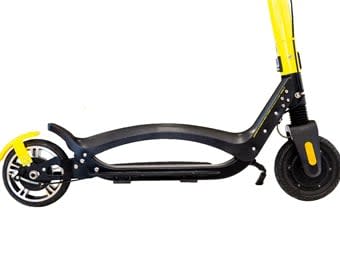
Parallel foot pads enable safer transportation by allowing riders to ride with their feet firmly planted on each side of Bolt Mobility's e-scooter. Photo: Bolt Mobility
Currently, Bolt Mobility has fleets of personal electric scooters on the streets of Fort Lauderdale, Florida; Arlington, Virginia; and Alexandria, Virginia. In those markets, there have been tens of thousands of unique riders in the last four months alone. There are plans for extensive expansion of the Bolt footprint across the country, including Miami, Atlanta, Nashville, and Los Angeles.
Bolt recently employed a feature that requires riders to locate, operate, and become acquainted with the braking system before starting a ride. This feature is the first-of-its-kind in the industry, according to the company.
Additional Bolt e-scooter safety measures include:
Aluminum frames
Duel brakes
Bright LED front and rear lights
Large 10-inch wheels made for urban environments
Long-lasting battery
Exclusive foot pads that allow a rider to have both feet facing forward creating greater balance and control.
Additionally, Bolt Mobility employs a 24/7 customer support service to address feedback from riders and make sure e-scooters are used and parked in a way that supports the communities it operates in. Bolt also has full-time employees who monitor operations — not contractors — setting a new industry standard.
More New Mobility
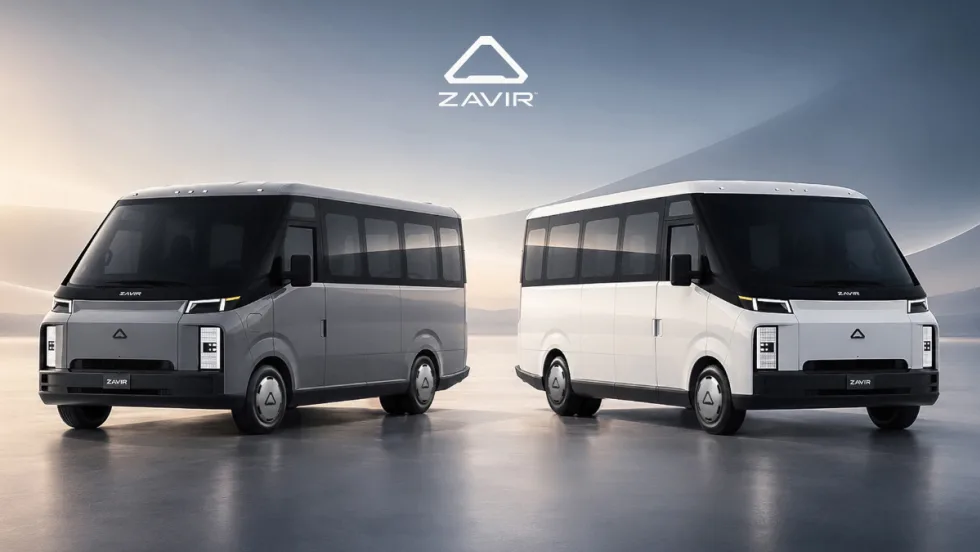
ENC Unveils ZAVIR Medium-Duty Electric Shuttle at APTA EXPO
The new ZAVIR brand targets shuttle and paratransit operations with battery-electric and range-extended electric vehicle options.
Read More →
Public Transit Conference Returning to GFX in 2027, Call for Papers Now Open
The Call for Papers is now open, allowing transit agency professionals and industry experts to help shape the PTC educational program by submitting session ideas for consideration.
Read More →
Everett Transit, Community Transit Outline Consolidation Agreement
The proposed agreement calls for a 50% increase in bus service in Everett, a new microtransit zone, continued paratransit service, and the transfer of Everett Transit operations to Community Transit.
Read More →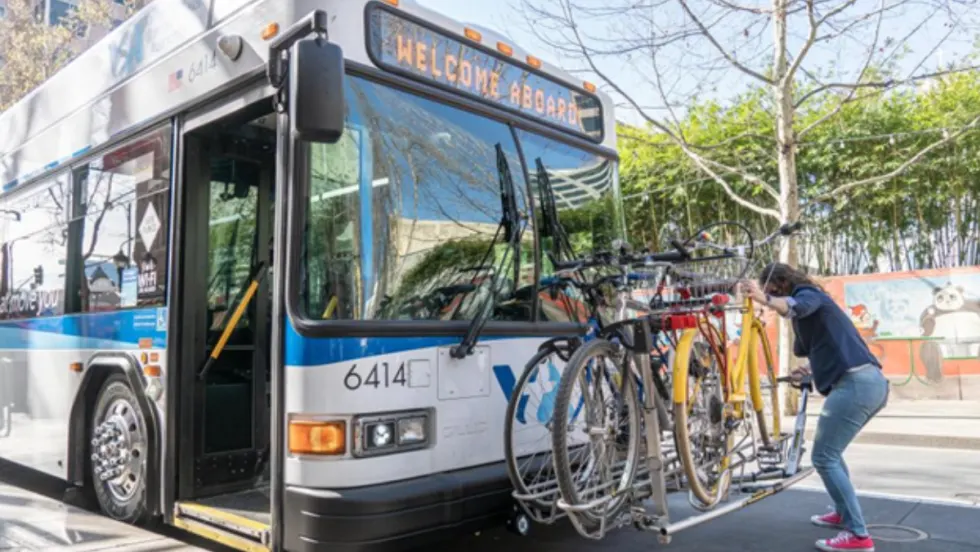
What Multimodal Data Can Tell Transit Agencies About Rider Demand
See how bike-on-bus data is giving transit agencies new insight into rider demand, capacity constraints, and gaps in first- and last-mile connections.
Read More →
From Hardware to Digital Partner: Luminator Charts Its Next Chapter
CEO Magnus Friberg discusses Luminator’s shift toward becoming a digital partner, the growing importance of software and interoperability, and how AI can help agencies improve operations and passenger experience.
Read More →
Biz Briefs: Alstom Lands Canadian Contract, LYT to Supply California TSP, and More
In METRO's latest installment, we take a look at recent news from Complete Coach Works, Beep, FlixBus, and more partnerships making headlines across the transportation sector.
Read More →
CharterUP’s Armir Harris on Technology, AI, and the Future of Group Mobility
In a recent episode of METROspectives, CharterUP Founder/CEO Armir Harris discussed the company’s evolution from an online charter bus marketplace into a technology platform supporting public- and private-sector mobility and much more.
Read More →
Jacksonville’s NAVI Project Charts a New Course for Autonomous Public Transportation
Through its NAVI program, JTA is showing how autonomous vehicles, intelligent infrastructure, and coordinated operations can work together to deliver everyday public transportation.
Read More →
Biz Briefs: Luminator Marks Milestone and More
From manufacturers and suppliers to transit agencies and motorcoach operators, these updates offer a snapshot of the projects, partnerships and business moves driving the industry forward.
Read More →
New Tricks for Old Bureaucracies: Joshua Schank on Making Transit Innovation Stick
Former LA Metro Chief Innovation Officer Joshua Schank discusses why good ideas aren't enough, how transit agencies can overcome resistance to change, and why today's challenges demand more innovation.
Read More →