



Bombardier's anti-collision system for trams receives certification
The DAS system gives trams drivers advanced warning of a potential impact with pedestrians, bikers, other vehicles, or objects obstructing the tram tracks.

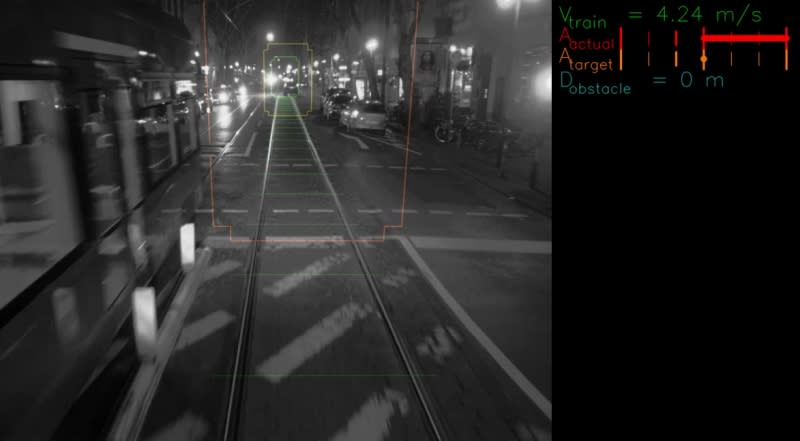
The system uses a network of stereovision cameras to identify and track the movement of objects on or near a tram's path. Photo: Bombardier Transportation

Bombardier Transportation announced their innovative Drivers Assistance System (DAS) received homologation for passenger service in Germany. Starting in August 2015, trams equipped with this innovative tram safety platform will enter service in Frankfurt am Main, Germany.
The DAS is an anti-collision system that gives trams drivers advanced warning of a potential impact with pedestrians, bikers, other vehicles or objects obstructing the tram tracks. The system uses a network of stereovision cameras to identify and track the movement of objects on or near a tram's path. Should a potential collision be identified, the system issues an audio alert for the tram driver and can even perform and automatic braking function.
This new safety platform compliments the recent development of Bombardier's BodyGuard(TM), a type of external airbag for trams that prevents pedestrians from being trapped under a moving tram, which is typically the cause for the most serious injuries (also developed in collaboration with AIT). Both technologies demonstrate Bombardier's commitment to developing cutting-edge technologies that improve vehicle safety for operators, passengers and pedestrians, according to the company.
The highly-complex DAS platform was made possible with technical support from the Austrian Institute of Technology (AIT) and Frankfurt am Main's transport authority the Verkehrsgesellschaft Frankfurt am Main (VFG), who provided testing opportunities. Following approval by the technical supervisory authority, VFG's vehicle no. 272 is now the first tram in the world to operate normal service equipped with DAS. It is currently being used for training and VGF will soon equip its other 73 "S" tramcars with the DAS, making the Frankfurt fleet the first to be completely equipped with this new safety technology. This upgrade will run until December 2016.
Additional information about the Drivers Assistance System can be found in the accompanying technical documentation: http://media3.marketwire.com/docs/DAS%20Data%20Sheet.pdf
More Security and Safety
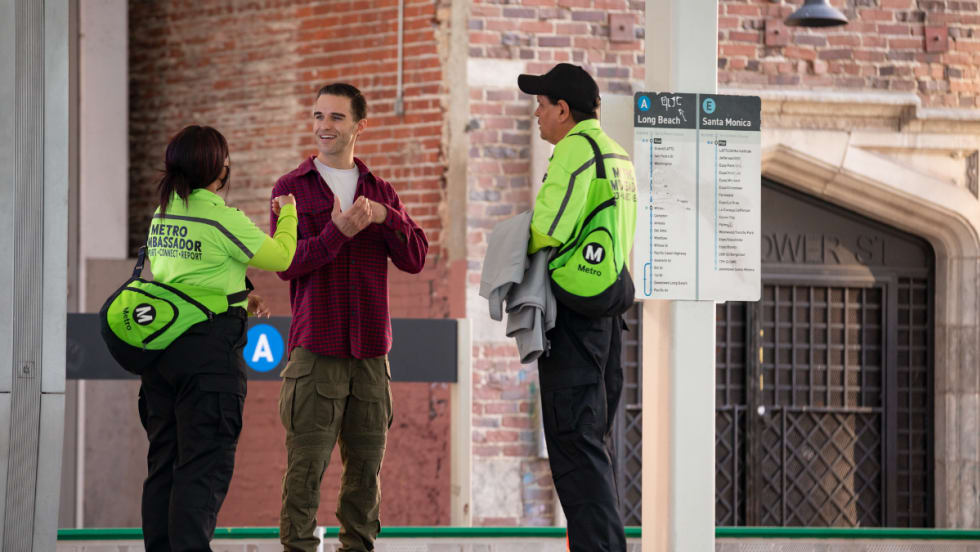
LA Metro Reports 57% Decline in Homelessness on Transit System Since 2024
The agency's latest homelessness count offers new data on how care-based services and cross-sector partnerships can complement traditional transit security strategies.
Read More →
FTA Launches 'Transit Moves America' Dashboard to Highlight Agency Safety and Performance
The online dashboard transforms National Transit Database information into a public-facing resource that allows users to compare transit agencies on key operational and safety metrics.
Read More →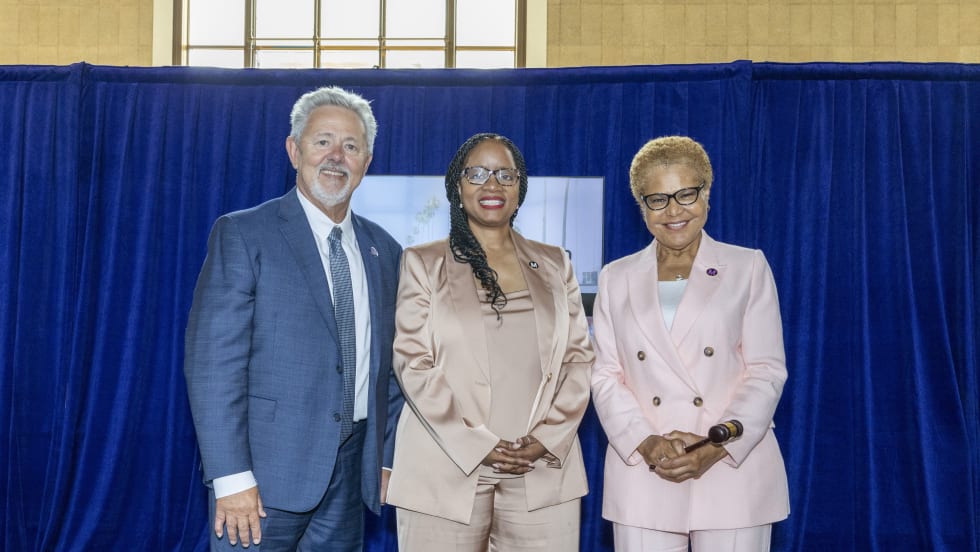
LA Metro Marks Banner Year, Sets Ambitious Goals for New Fiscal Year
Incoming LA Metro Board Chair and Los Angeles Mayor Karen Bass joined outgoing Board Chair Fernando Dutra and LA Metro CEO Stephanie Wiggins to review accomplishments from fiscal year 2026, which included the opening of new rail extensions, advancement of major transit projects, expanded safety programs, and new rider amenities.
Read More →
Building the Next Generation of Transit Technology
In this edition of METROspectives, Luminator CEO Magnus Friberg discusses the company's transformation, the growing role of AI and software, and what's next for transit technology.
Read More →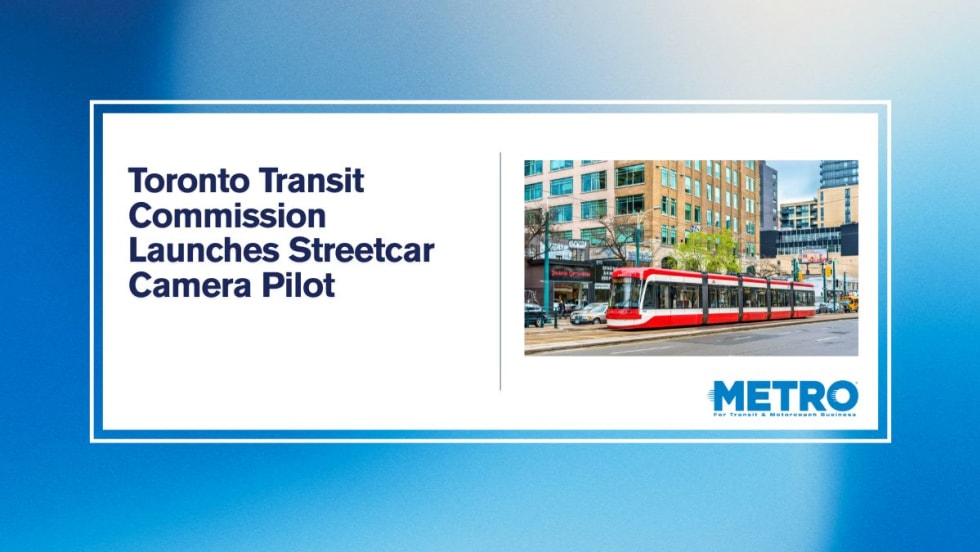
TTC Launches Camera Pilot to Curb Illegal Passing of Streetcars
During the pilot, the cameras will measure how often illegal streetcar passing occurs and test the technology's reliability for future automated enforcement.
Read More →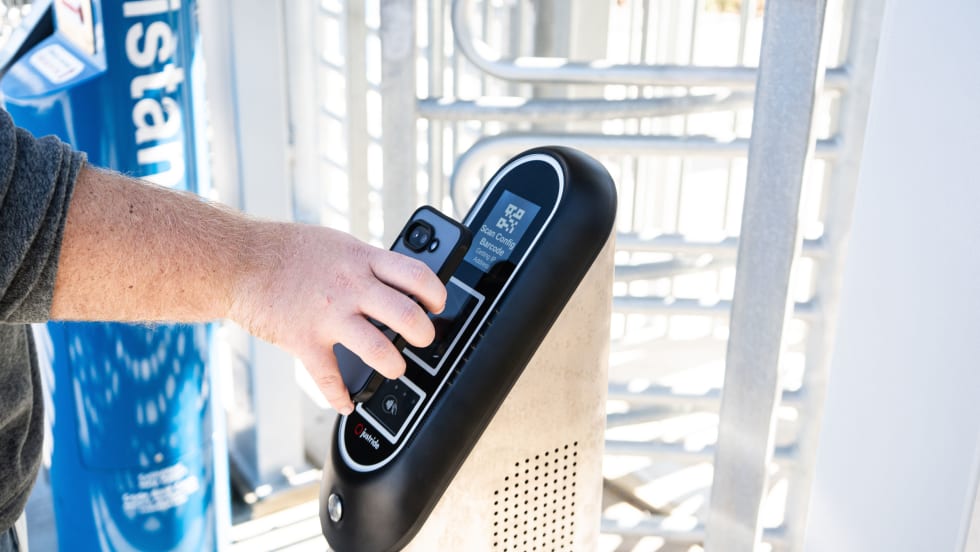
Biz Briefs: Masabi Teams with St. Louis Metro and More
In METRO's latest installment, we take a look at recent news from Transdev, Hitachi, and more partnerships making headlines across the transportation sector.
Read More →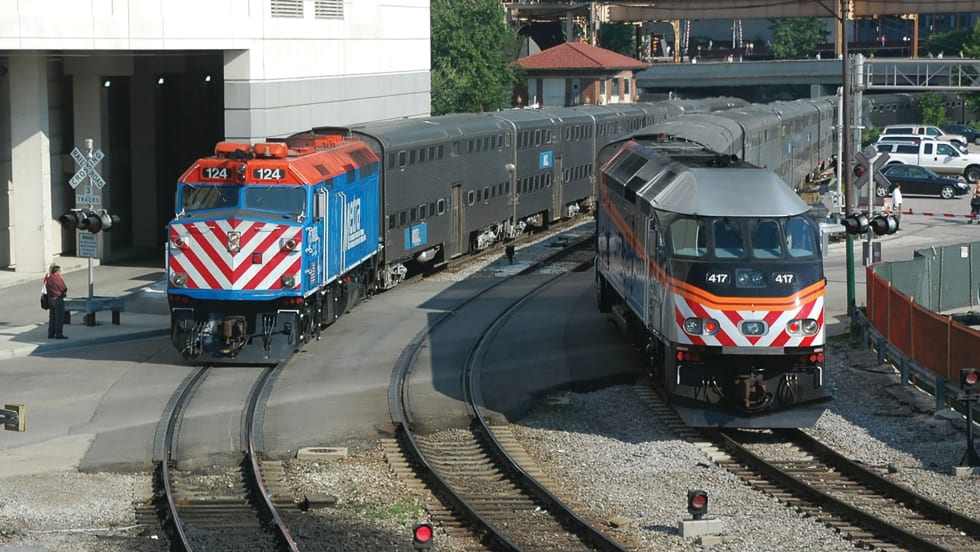
Metra Begins Drone Pilot Project to Boost Safety and Security
The project is funded through a $620,000 grant from FEMA’s Transit Security Grant Program, which provides transit agencies with funding for projects intended to protect critical transportation infrastructure and the traveling public.
Read More →
Building the Next Generation of Transit Technology
In this edition of METROspectives, Luminator CEO Magnus Friberg discusses the company's transformation, the growing role of AI and software, and what's next for transit technology.
Read More →
APTA Recognizes Excellence in Rail Safety and Security at 2026 Rail Conference
Nominations are evaluated on four criteria: effectiveness, benefit level, innovation, and transferability.
Read More →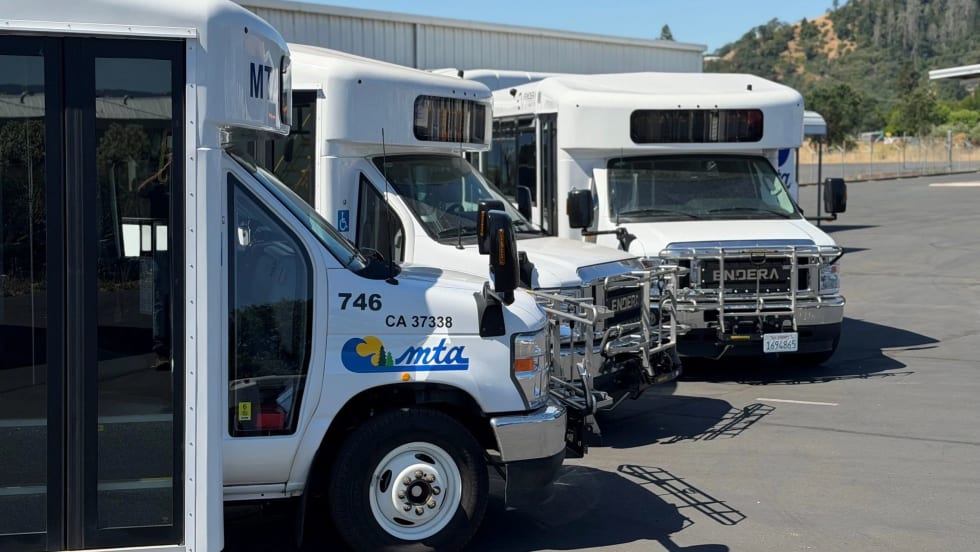
Biz Briefs: Endera Delivers to California, Safety Vision Teams with San Antonio's VIA, and More
From manufacturers and suppliers to transit agencies and motorcoach operators, these updates offer a snapshot of the projects, partnerships and business moves driving the industry forward.
Read More →