



British journalist trashes N.Y. subway as 'hellish'
A British journalist for The Gaurdian Bim Adewunmi wrote an article trashing the New York subway, which she says was so "hellish," it made her homesick for London's Undground. Adewunmi calls out the "MTA's needlessly complex map and messy signage.

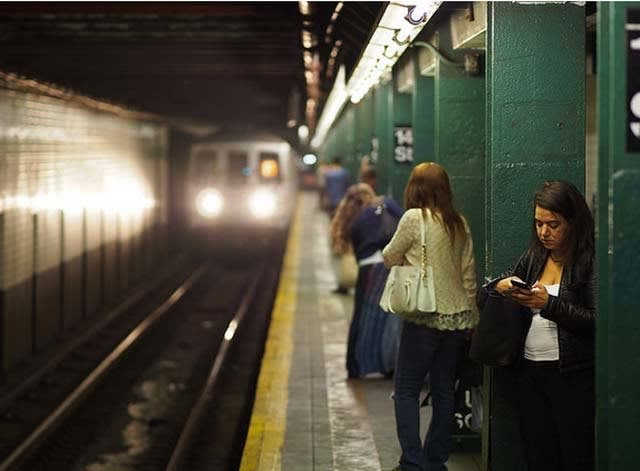
Photo beanhead4529 via Flickr
Photo beanhead4529 via Flickr
NEW YORK CITY — A British journalist for The Gaurdian Bim Adewunmi wrote an article trashing the New York subway, which she says was so "hellish," it made her homesick for London's Undground. Adewunmi calls out the "MTA's needlessly complex map and messy signage:
I am a city girl, born and raised across the metropolises of London and Lagos, most at ease in a crowd, especially if we are all underground, blinking into a dark tunnel and awaiting a train. Over the years I have developed the ability to decipher and absorb complex, multicoloured transit maps in mere minutes. In New York this lifetime-honed skill is rendered practically useless. Here, I become an overawed simpleton.
A Gothamist report takes Adewunmi to task for her complaints by pointing out that, 1) the subway runs 24 hours a day, seven days a week, while the Tube is open from 5 a.m. to midnight Monday through Saturday, giving more time for cleaning and maintenance; 2) the NYC subway system has about 150 more stations, prompting a somewhat more complex design (and see prior note about cleaning); and 3) the flat rate one-way fare is $2.50 (not zoned fares, with a Zone 1 fare costing about $3.60—their monthly Zone 1-3 fare is about $200).
N.Y. MTA spokesman Adam Lisberg gave the Gothamist a statement about Adewunmi's column, which said among other things: "...when she complains that the subway uses too many fonts, it seems clear that she hates our subway less than she just loves to complain."
For the full story, click here.
More Management
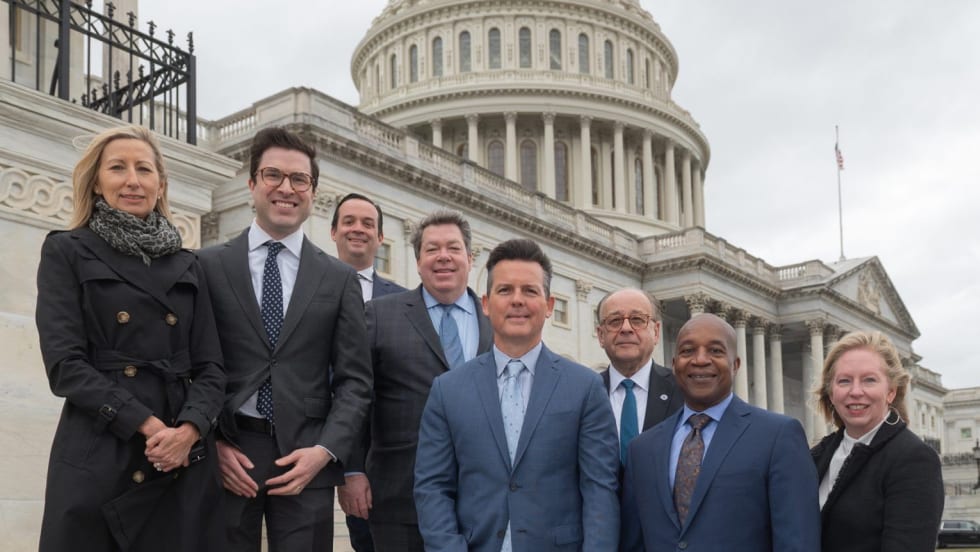
The Business Voice Behind Public Transportation
As chair of APTA’s Business Members Board of Governors, Ray Melleady explains how more than 850 business members are partnering with transit agencies to advance funding, innovation, and industry-wide collaboration.
Read More →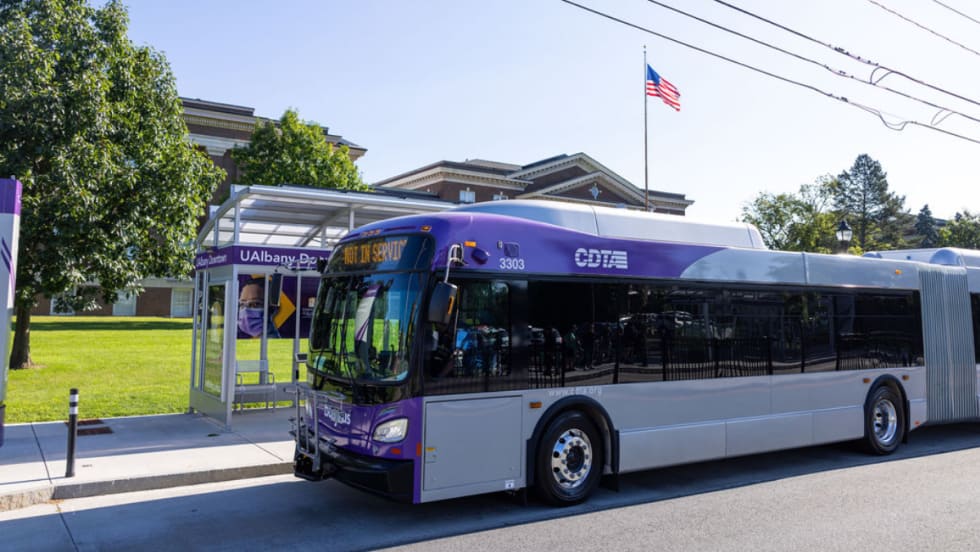
New York’s CDTA Service Rebalancing Boosts Productivity, On-Time Performance
Despite a slight dip in ridership, the agency’s FY2026 results show its service rebalancing strategy is helping the agency carry more riders per service hour while improving reliability.
Read More →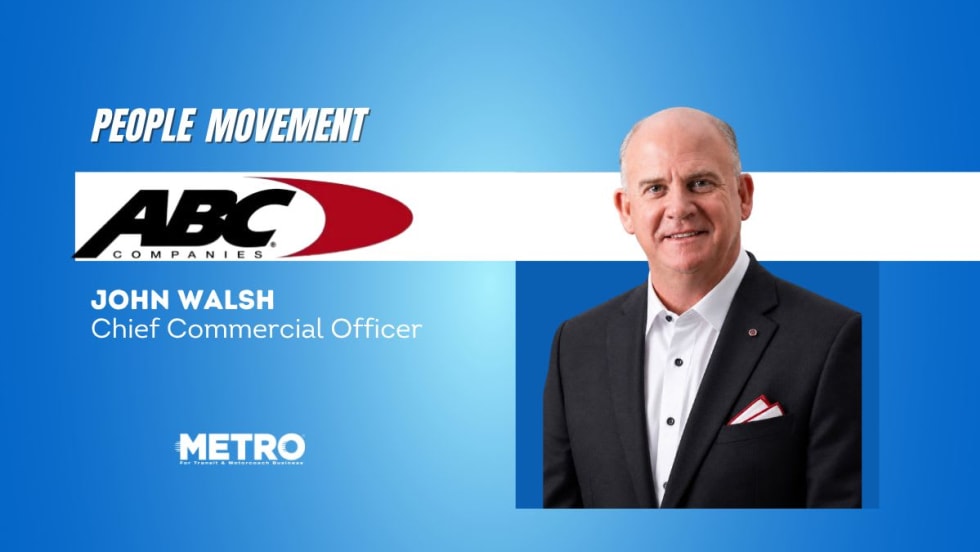
People Movement: ABC Names John Walsh as Chief Commercial Officer
In this edition, METRO also covers recent appointments and announcements at the DART, STV, and more, showcasing the individuals helping to shape the future of transportation.
Read More →
From Surviving to Thriving: Building Stronger Transportation Organizations
Bus Business Consultants founder Brian Dickson shares lessons on leadership, organizational health, and creating options for long-term success in a changing transportation industry.
Read More →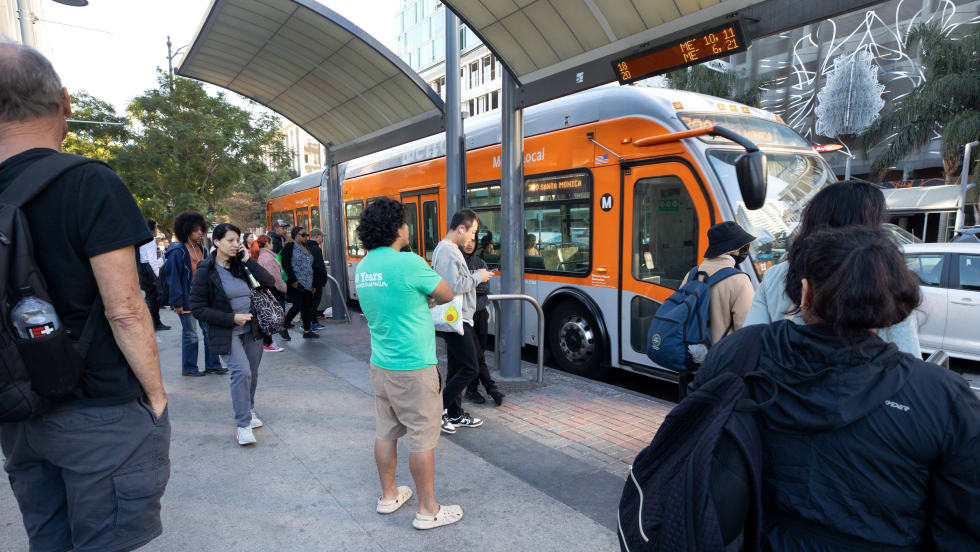
LA Metro Ridership Continues Growth as Rail Gains Accelerate
New rail connections and major events help drive continued ridership gains, with Metro recording its eighth consecutive month of year-over-year rail growth.
Read More →
TransDASH Summit Focuses on Measuring What Matters in Transit
Transit agencies unveil a national performance platform designed to benchmark customer experience, safety, community value, and other outcomes.
Read More →
Jacksonville’s NAVI Project Charts a New Course for Autonomous Public Transportation
Through its NAVI program, JTA is showing how autonomous vehicles, intelligent infrastructure, and coordinated operations can work together to deliver everyday public transportation.
Read More →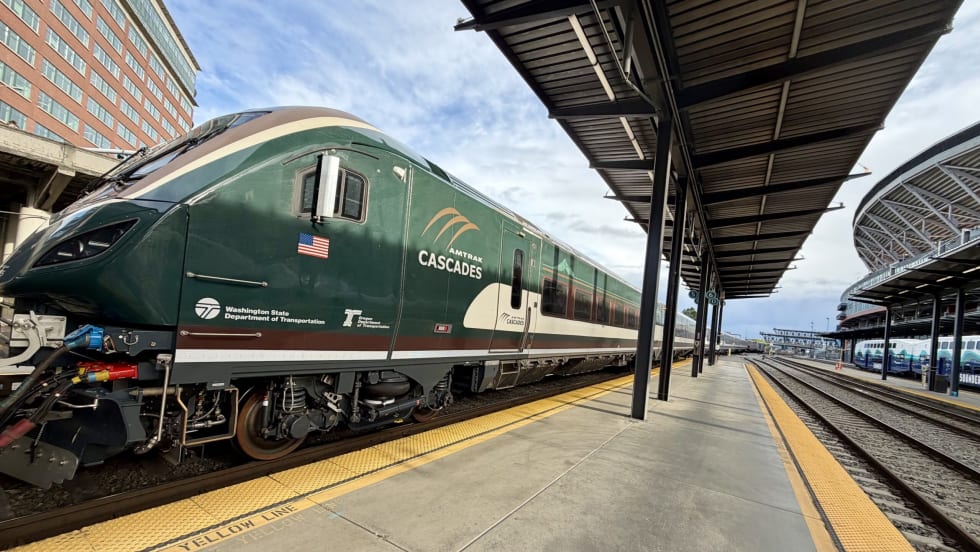
FRA Announces $5.3B in Rail Investments, Including $2B for Amtrak
Funding will support grade-crossing improvements, infrastructure upgrades, and new Amtrak equipment in 23 states.
Read More →
Finding the ‘Happy Medium’: Optimizing Maintenance Without Sacrificing Reliability
The key to maintenance optimization isn’t doing less work—it’s doing the right work at the right time on the right assets.
Read More →
People Movement: MARTA Drops Interim Tag on GM/CEO Hunt and More
In this edition, METRO covers recent appointments and announcements at the FMCSA, HDR, SilverRide, and more, showcasing the individuals helping to shape the future of transportation.
Read More →