



Bus Coalition letter asks Trump for bus funding in infrastructure plan
The letter, which was signed by 285 bus transit systems from 49 states, includes many systems from less populated areas that have seen a decline in federal resources and face a growing backlog of older buses and facilities.

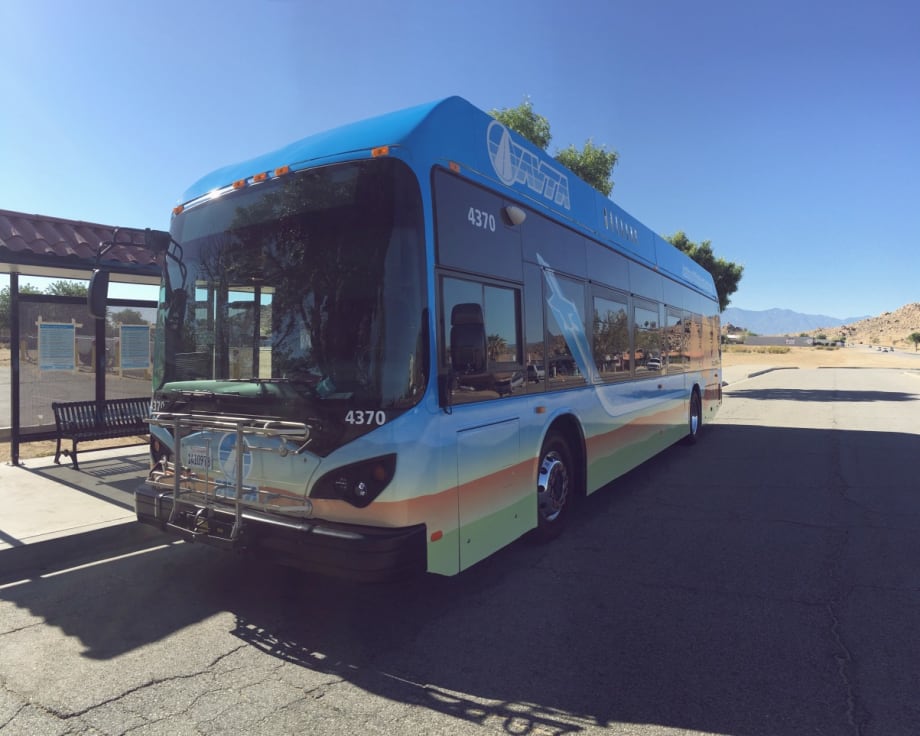
AVTA
AVTA
The Bus Coalition®, a broad coalition comprised of public, private, and non-profit bus industry leaders from across the U.S., have sent a letter to President Trump asking him to restore bus funding, which could replace approximately 14,000 buses and create over 100,000 jobs, as part of his infrastructure package.
The letter, which was signed by 285 bus transit systems from 49 states, includes many systems from less populated areas that have seen a decline in federal resources and face a growing backlog of older buses and facilities.
Text of the letter, signed by Bus Coalition Chairman Jeff Hamm and CTAA Executive Director Scott Bogren, is below:
"Dear President Trump,
On behalf of The Bus Coalition's (TBC) membership of over 140 small, medium, and large transit agencies spanning across 36 states and the Community Transportation Association of America's (CTAA) 1,500 small city, rural, tribal, and specialized transit operations, we would like to congratulate you on your inauguration as the 45th President of the United States. We appreciate your commitment to improving America’s transportation infrastructure and look forward to working with you to ensure bus transit systems continue to provide vital service throughout the country.
Buses are the backbone of transit service across America. More than one-half of all transit trips in America are carried by buses, providing access for workers, students, families, patients, and shoppers. Many CTAA and TBC members come from rural and suburban areas that rely on bus service. As you craft and refine your investment package proposal, we hope you will support increased funding for public transit as recommended by CTAA and the American Public Transit Association.
Specifically, we support providing $2.85 billion in additional investment to the FTA Bus and Bus Facility program to help transit systems across the country reach a state of good repair and operate a safe, affordable, and efficient bus fleet. This funding request would simply fill the gap in funds diverted from the bus program between 2013- 2020.
Modernizing our nation’s transit fleet with federal support will quickly create thousands of good paying manufacturing jobs in the United States, increase access to work and commercial centers and help address the backlog of aging bus fleets and facilities. We estimate this modest level of investment would allow for the purchase of over 14,000 domestically manufactured buses and create over 100,000 jobs across the country. Investing in bus replacement programs can quickly boost economic activity. Across the country, bus purchase orders are sitting on the shelf and, if funds were available, orders could be processed in a matter of days, not months or years.
Unfortunately, federal support was diverted from buses over the past decade. Under the Moving Ahead for Progress in the 21st Century Act, bus funding was cut by 57%, and the bus competitive grant program was eliminated. Because of cuts to the federal bus program, the number of transit buses operating past their useful life increased nearly 40% since 2009. The recently passed Fixing America’s Surface Transportation Act restored some funding for bus programs. However, more investment is needed to address the current backlog and bring bus transit systems to a state of good repair.
CTAA and the Bus Coalition look forward to working with you on initiatives to restore and expand our nation’s transportation infrastructure and spur economic development projects across the country. For additional information, please contact Jeff Hamm at Jeff.Hamm@buscoalition.com or Scott Bogren at bogren@ctaa.org. Thank you for your time and consideration of our investment package request."
More Management

METRO Opens Submissions for 2026 Motorcoach Awards
Nominations are now being accepted for METRO Magazine’s Operator of the Year and Innovative Operator of the Year awards.
Read More →
New York MTA Advances Final Contract for Second Avenue Subway Expansion
Contract Four is the largest in the Second Avenue Subway Phase 2 project and includes construction of station infrastructure, tracks, and signals for the subway expansion, MTA officials said. Work on Contract Four will begin in 2027.
Read More →
Transit Agencies Highlight Safety Gains at National Summit
Leaders from 15 major transit systems shared crime-reduction results and safety initiatives while discussing the role of continued federal support.
Read More →

NITA Names New Leadership, Expands Reduced-Fare Program at First Board Meeting
The new regional transit authority appointed its first board chair and interim executive director while extending reduced fares across CTA, Metra, and Pace for eligible riders.
Read More →
Beyond the Checklist: A Structured Approach to Transit Maintenance
Reliability-Centered Maintenance helps transit agencies move beyond routine checklists to focus limited resources on the assets and failures that have the greatest impact on safety, reliability, and service.
Read More →
APTA 2026 Nominating Committee Selects Leadership Slate, Names Chair and Vice Chair Nominees
Leadership changes will help shape the association’s priorities and its representation of the transportation industry during the 2026–2027 term.
Read More →
DART Launches Major Security, Fare Enforcement Initiative
The 90-day demonstration will deploy coordinated security teams at five light rail stations while testing controlled access and gathering data to guide future investments.
Read More →
Advancing Fare Collection Through Technology and Innovation
Learn about delivering 1300 gates at 91 stations while managing fare evasion. Explore the large scale deployment, solution customization and real-world results that affect the region. Prepare for deployment in your region now.
Read More →
Game Day in Motion: Moving Millions During the 2026 World Cup
Between packed transit stations and team motorcoaches, see how agencies and operators across North America tackled the transportation demands of the 2026 FIFA World Cup.
Read More →
Surface Transportation Extension Averts Shutdown, Leaves Transit Funding Gap
The stopgap keeps federal transportation programs moving, but missing advance funding could complicate the transit and rail projects agencies are planning next.
Read More →