



BYD ramps up PPE face mask efforts
The plant, created earlier this year, is now running at full capacity and can produce 50 million masks per day.

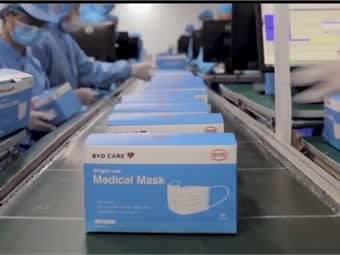
BYD announced it will donate $1 million in medical supplies, including Personal Protective Equipment and hand sanitizer to transit agencies and first responders in the U.S. and Canada.
Screenshot via BYD
BYD is sharing a new video telling the story of how the electric vehicle manufacturer created the world’s largest PPE face-mask plant.
The plant, created earlier this year, is now running at full capacity and can produce 50 million masks per day. This allows BYD to help alleviate severe shortages affecting hospitals and agencies across the globe due to the COVID-19 outbreak.
In late January, BYD began assisting production of masks and disinfection gels to tackle the growing COVID-19 outbreak. A special task force was appointed by BYD Chairman and President Wang Chuanfu, consisting of leaders from different business divisions and more than 3,000 engineers involved in research and development, design, processing, and other roles.
The task force moved with incredible speed, completing both the R&D and manufacturing process of mask-production equipment within seven days, as opposed to the normal length of 15 to 30 days to fully manufacture a mask-producing machine.
By Feb.8, the newly-built production lines in one of BYD’s industrial parks in Shenzhen began producing these critical supplies, thanks to hundreds of staff working both day and night shifts, along with machines working around the clock.
BYD announced it will donate $1 million in medical supplies, including Personal Protective Equipment (PPE) and hand sanitizer to transit agencies and first responders in the U.S. and Canada.
The supplies are arriving at various U.S. distributions centers to be closer to those locations where they are needed most. The supplies include FDA-approved Adult Surgical Masks and KN-95 respiratory protective devices as well as hand sanitizer that is 99.999% effective.
Several thousand PPEs have already been delivered to agencies including the City of Los Angeles, the Valley Medical Center in San Jose California, the Toronto Transit Commission, and the LA County Sheriff’s Department.
More Security and Safety

Transit Agencies Highlight Safety Gains at National Summit
Leaders from 15 major transit systems shared crime-reduction results and safety initiatives while discussing the role of continued federal support.
Read More →
DART Launches Major Security, Fare Enforcement Initiative
The 90-day demonstration will deploy coordinated security teams at five light rail stations while testing controlled access and gathering data to guide future investments.
Read More →
RTD Launches NextRide App to Consolidate Trip Planning, Fares, Security Reporting
The app expands on RTD’s existing NextRide web application and allows customers to view real-time vehicle locations and service alerts, purchase and store digital fares, and access customer support.
Read More →

TAPTCO Updates OSHA Compliance Training for Transit Maintenance Operations
The revamped program addresses 26 OSHA standards for maintenance facilities, with TAPTCO pointing to training, documentation, and everyday shop hazards as continuing challenges for transit operations.
Read More →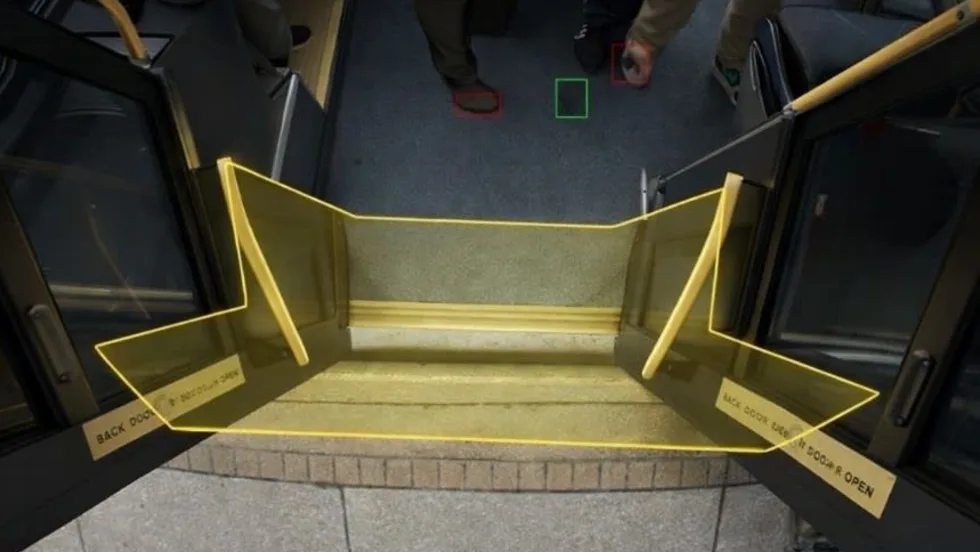
How VaporVision Adds Value to Transit Door Systems
Wabtec engineers explain how the system improves doorway detection, strengthens diagnostics and gives transit agencies and OEMs greater operating flexibility.
Read More →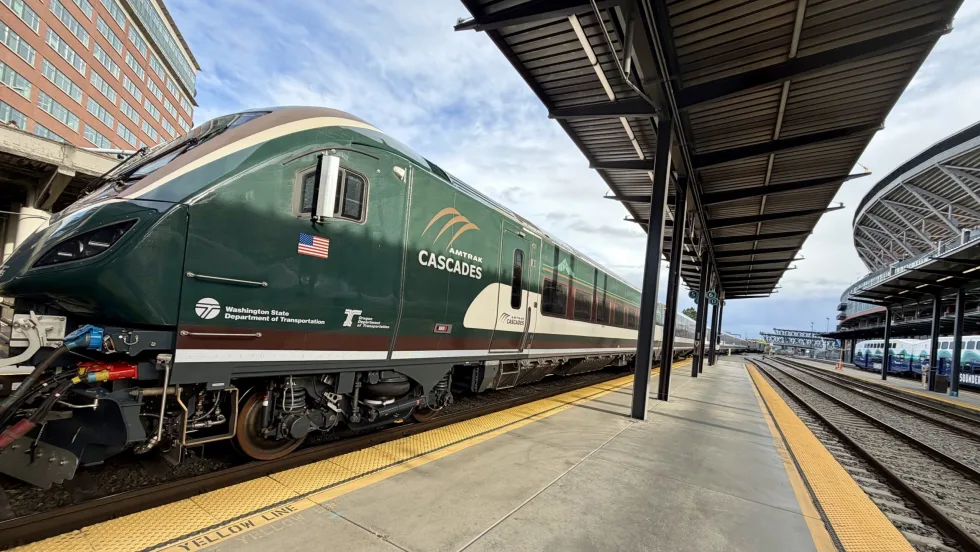
FRA Announces $5.3B in Rail Investments, Including $2B for Amtrak
Funding will support grade-crossing improvements, infrastructure upgrades, and new Amtrak equipment in 23 states.
Read More →
Chicago, Maryland Expand Non-Law-Enforcement Safety, Rider Support
The CTA and MTA are launching new programs aimed at de-escalation, crisis response, rider assistance, and greater transparency.
Read More →
LA Metro, City of West Hollywood, and Partners Advance Smarter Bus Lane Enforcement
The award-winning partnership combines AI-powered detection with human oversight to improve bus reliability, accessibility, and enforcement efficiency.
Read More →
LA Metro Reports 57% Decline in Homelessness on Transit System Since 2024
The agency's latest homelessness count offers new data on how care-based services and cross-sector partnerships can complement traditional transit security strategies.
Read More →
FTA Launches 'Transit Moves America' Dashboard to Highlight Agency Safety and Performance
The online dashboard transforms National Transit Database information into a public-facing resource that allows users to compare transit agencies on key operational and safety metrics.
Read More →