



Calif. awards $2.6B in state Cap and Trade funds
The program provides major benefits towards meeting the state’s climate and air quality goals, with a total reduction of more than 32 million tons of greenhouse gas emissions.

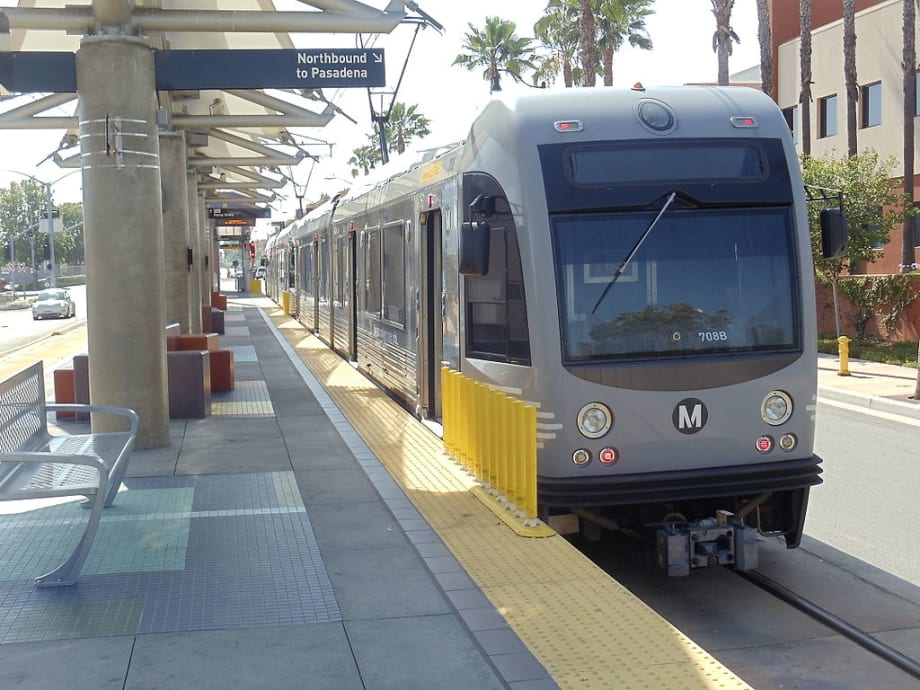
Six major L.A. Metro expansion projects received funding, including light rail extensions to Torrance and Montclair and additional rapid transit service along congested corridors.
LA Metro
Six major L.A. Metro expansion projects received funding, including light rail extensions to Torrance and Montclair and additional rapid transit service along congested corridors.
LA Metro
The California State Transportation Agency (CalSTA) announced 28 recipients for more than $2.6 billion in Transit and Intercity Rail Capital Program (TIRCP) grants for transformative transit and rail projects. CalSTA is also providing additional funding for seven critical projects through multi-year funding agreements, bringing the total awarded to over $4.3 billion.
TIRCP funding is provided through Senate Bill 1 (SB 1) and from the proceeds of the Cap and Trade program. The program provides major benefits towards meeting the state’s climate and air quality goals, with a total reduction of more than 32 million tons of greenhouse gas emissions.
“The projects selected for this round of Transit and Intercity Rail Capital Program grants make great strides in helping California transform the state transportation system,” said CalSTA Secretary Brian Annis. “This investment of SB1 revenue and Cap and Trade dollars will help us reduce harmful emissions, expand mobility options and create jobs statewide.”
This multi-year funding program provides project funding for 28 projects, with a total cost exceeding $18 billion. These projects will provide significant benefits to Californians through expanded transit and rail offerings that are faster, more frequent, and more reliable.
Pivotal Improvements for Southern California Region– Investment is focused on critical projects to prepare Los Angeles and the Southern California region for the 2028 Olympic Games with six major L.A. Metro expansion projects receiving funding including light rail extensions to Torrance and Montclair and additional rapid transit service along congested corridors. Additional funding will go toward improving regional commuter and intercity rail to make Pacific Surfliner and Metrolink services faster and more reliable through major investments including track improvements at Los Angeles Union Station.
Better Connections for the Bay Area – Projects establish the San Jose Diridon station as a Bay Area Regional hub by completing the funding for BART to San Jose, creation of new SamTrans express bus routes along the congested US-101 corridor and new rail service to Salinas and Monterey, and continued support for Caltrain electrification with funding for additional electric trainsets. TIRCP invests in additional new rail vehicles for BART and SF Muni to improve service and reduce train crowding during peak service, and funding for SMART train extensions to connect with Larkspur ferry service and Windsor. Also provides funding for zero-emission vehicles for SolanoExpress and AC Transit.
Transforming the Central Valley – Supports the creation of an integrated ACE and San Joaquin rail system, increasing service frequency in the Central Valley while providing new service connections to Ceres and Sacramento. Provides funding for zero-emission bus purchases for Fresno, light rail service improvements for Sacramento Regional Transit, and establishes a new zero-emission intercity bus service connecting the North State to Sacramento.
The awards are part of SB 1’s $7.6 billion investment in transit projects. In January, CalSTA awarded $51.9 million in State Rail Assistance program funding which focused on projects that improve commuter and intercity rail service across the state, reduce air pollution, and ease traffic congestion.
To view a complete list of projects, click here.
More Rail

New York MTA Advances Final Contract for Second Avenue Subway Expansion
Contract Four is the largest in the Second Avenue Subway Phase 2 project and includes construction of station infrastructure, tracks, and signals for the subway expansion, MTA officials said. Work on Contract Four will begin in 2027.
Read More →
San Diego MTS Breaks Monthly Trolley Ridership Record
Agency officials said July’s ridership indicates MTS’s continued recovery from the pandemic.
Read More →
Report Examines NJ TRANSIT Reliability, Funding Challenges
The Garden State Initiative analysis examines the roles of Amtrak infrastructure, fleet management, and agency operations while recommending a more performance-based approach to improving reliability.
Read More →
Stadler, CapMetro Sign Long-Term Rail Fleet Support Agreement
Beginning in 2027, Stadler will provide on-site technical expertise, spare parts support, training, and obsolescence management to help extend the reliability and longevity of CapMetro’s GTW fleet.
Read More →
Biz Briefs: Alstom Lands Canadian Contract, LYT to Supply California TSP, and More
In METRO's latest installment, we take a look at recent news from Complete Coach Works, Beep, FlixBus, and more partnerships making headlines across the transportation sector.
Read More →
CATS Gold Line Marks 5 Years of Service, 2.8M Passenger Trips
With a six-mile expansion planned, the Charlotte streetcar is positioned to connect more neighborhoods and major transit hubs across the region.
Read More →
Why Simulating Pedestrian Movement Has Become Essential for Modern Rail Stations
Pedestrian microsimulation is helping rail planners identify bottlenecks, test station designs, and prepare complex transit hubs for growing passenger volumes.
Read More →
Amtrak Begins Major Construction at New York’s Sunnyside Yard
The new maintenance facility will support Amtrak’s Airo trainsets while improving maintenance efficiency and turnaround times in New York.
Read More →
Chicago Leaders Unveil Plans for O’Hare Airport Express Train
The privately developed project would offer a 15-minute trip between downtown and O’Hare’s Terminal 2, with trains operating every 15 minutes on a dedicated track. The service would use battery-electric trains and three existing freight rail rights-of-way.
Read More →
OCTA Maps Out 30-Year Strategy to Protect Coastal Rail Corridor
The draft feasibility report identifies strategies to protect the coastal rail line for decades as the agency continues near-term stabilization and sand placement efforts.
Read More →