



Calif. college transit program wins top award
Program, called Go Rio, allows students carrying 12 or more semester units to buy a $3 pass that gives them free access to buses operated by Los Angeles Metro, Foothill Transit, Norwalk Transit, Montebello Bus Lines and Sunshine Shuttle.

A program that allows full-time students to use five local transit systems for just $3 per semester has earned national recognition for Rio Hondo College in Whittier, Calif.
The program, called Go Rio, allows students carrying 12 or more semester units to buy a $3 pass that gives them free access to buses operated by Los Angeles Metro, Foothill Transit, Norwalk Transit, Montebello Bus Lines and Sunshine Shuttle.
Go Rio, which was launched as a two-year pilot program in 2006, garnered first place in the Planning, Governance and Finance category of the 2009 National Bellwether Award, sponsored by the Community College Futures Assembly, a national independent policy think tank.
“I was pleasantly surprised,” said Russell Castaneda-Calleros, Rio Hondo’s director of governmental and community relations. “We were up against some innovative programs from around the country.”
Castaneda-Calleros said the Go Rio program has become increasingly popular among students. During the 2006-07 school year, an average of 900 students bought the semester pass. This year, that number has increased to 1,450, a 61 percent hike.
Go Rio’s success has spawned similar programs at two other California colleges — Riverside City College in Riverside and the Peralta Colleges in Oakland and Berkeley. “It was impressive to the judges that our success has been replicated by other schools,” Castaneda-Calleros said, adding that he provided guidance to representatives at each of the colleges in how to get the program off the ground.
The cost of operating the program is approximately $70,000 per semester, based on fees assessed by the participating transit systems. Castaneda-Calleros said the transit agencies calculate their fees using ridership and full-time student enrollment, but have been flexible on the bottom line. “They’ve worked hard to give us a discount,” he said.
Castaneda-Calleros said the revenue generated by sales of the $3 pass covers about half of the program’s total cost. The remaining cost is covered by the college and by grants from local, state and federal sources.
The South Coast Air Quality Management District contributes funding based on the number of pounds of auto emissions that the Go Rio program eliminates. “Each year we find out how many students leave their cars at home by using the Go Rio pass,” Castaneda-Calleros said. Using a complex formula, he’s then able to quantify the amount of reduced emissions. “This year, we’re hoping that it will be more than 2 tons.”
More Bus

Biz Briefs: OCTA Taps Clean Energy for Hydrogen Station, Stadler to Supply Via Rail Vehicles, and More
From manufacturers and suppliers to transit agencies and motorcoach operators, these updates offer a snapshot of the projects, partnerships and business moves driving the industry forward.
Read More →
METRO Magazine Announces 2026 Innovative Solutions Awards Winners
Projects Recognized for Advancing Mobility Through Technology, Accessibility, Workforce Innovation, and Operational Excellence
Read More →
Biz Briefs: STV teams with Amtrak, Motorcoach Operators Boost Fleet and Land Contracts, and More
From manufacturers and suppliers to transit agencies and motorcoach operators, these updates offer a snapshot of the projects, partnerships and business moves driving the industry forward.
Read More →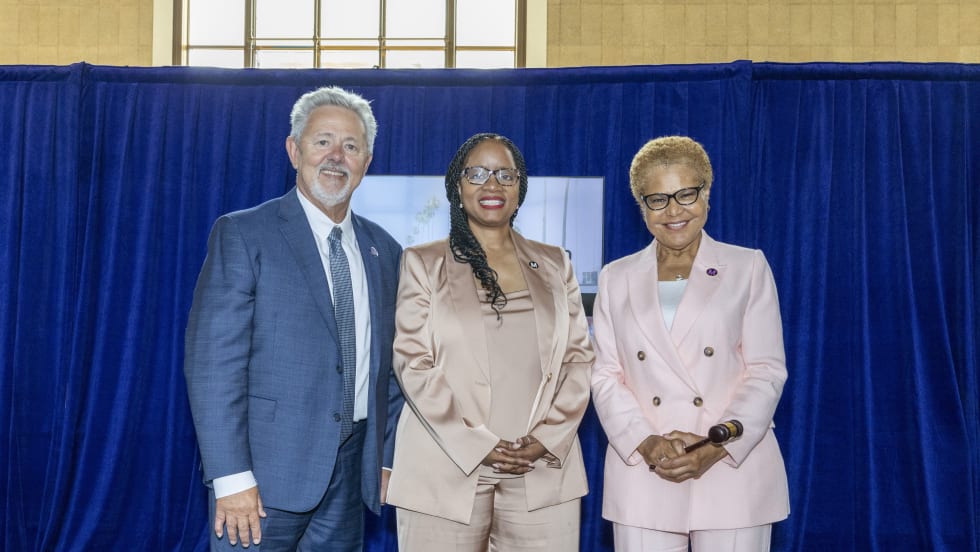
LA Metro Marks Banner Year, Sets Ambitious Goals for New Fiscal Year
Incoming LA Metro Board Chair and Los Angeles Mayor Karen Bass joined outgoing Board Chair Fernando Dutra and LA Metro CEO Stephanie Wiggins to review accomplishments from fiscal year 2026, which included the opening of new rail extensions, advancement of major transit projects, expanded safety programs, and new rider amenities.
Read More →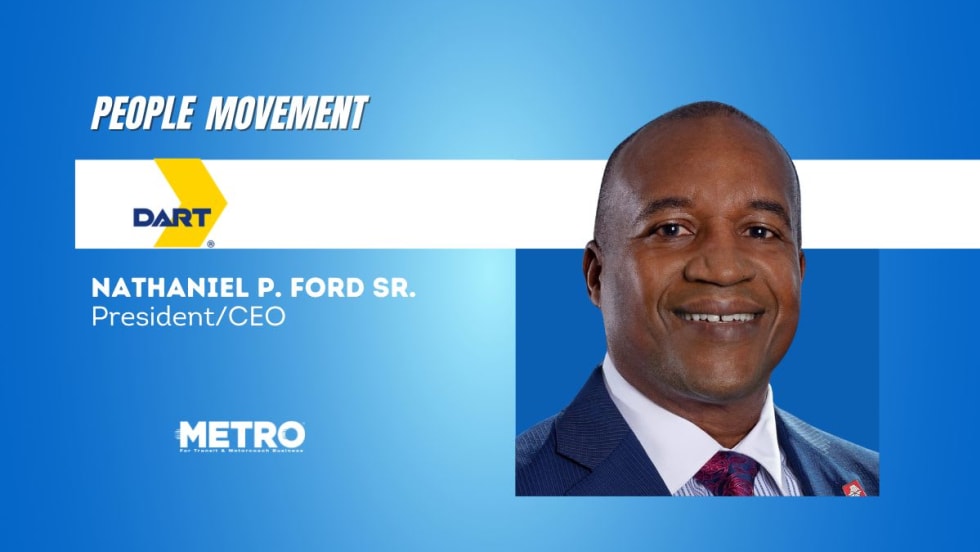
DART Taps Nathaniel P. Ford Sr. as Next President/CEO
Since 2012, Ford has served as the CEO of the Jacksonville Transportation Authority
Read More →
AC Transit’s Cecil Blandon on Building the Next Generation of Transit Maintenance Leaders
The agency’s maintenance chief discusses leadership, workforce development, zero-emission technology, and preparing technicians for the future of public transportation.
Read More →
Building the Next Generation of Transit Technology
In this edition of METROspectives, Luminator CEO Magnus Friberg discusses the company's transformation, the growing role of AI and software, and what's next for transit technology.
Read More →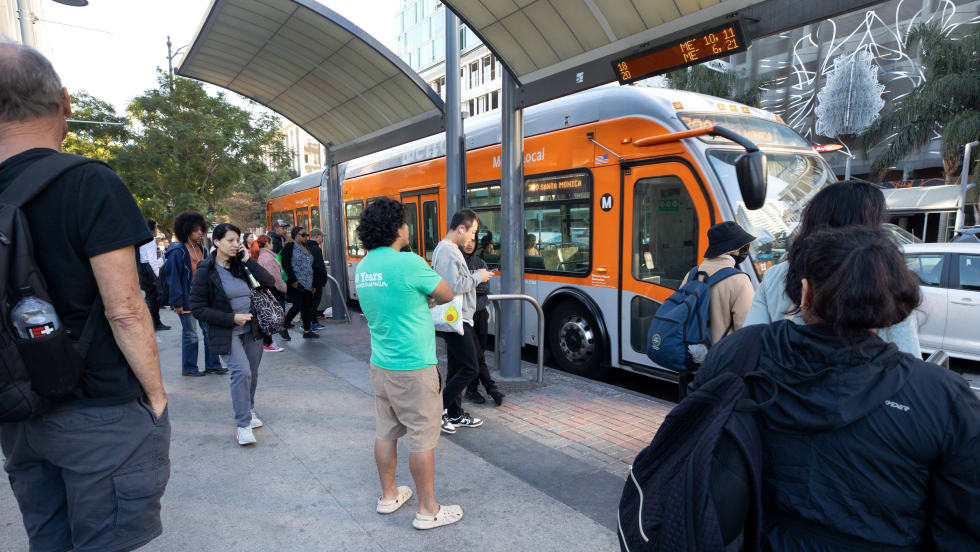
June LA Metro Ridership Surges 2 Million Year Over Year
Total June ridership increased for both weekdays and weekends. Weekday ridership was 953,820, which grew 8.4% from June 2025; Saturdays increased nearly 13% year-over-year to 708,826; and Sundays increased 7.7% to 611,534 from June 2025, according to LA Metro.
Read More →
Washington's Pierce Transit Board Sends Transit Funding Measure to November Ballot
With the adoption of Resolution 2026-006, the measure moves to the Pierce County Auditor, giving voters in the Pierce Transit service area the decision on whether to fund an expansion of local transit service within the agency’s service area.
Read More →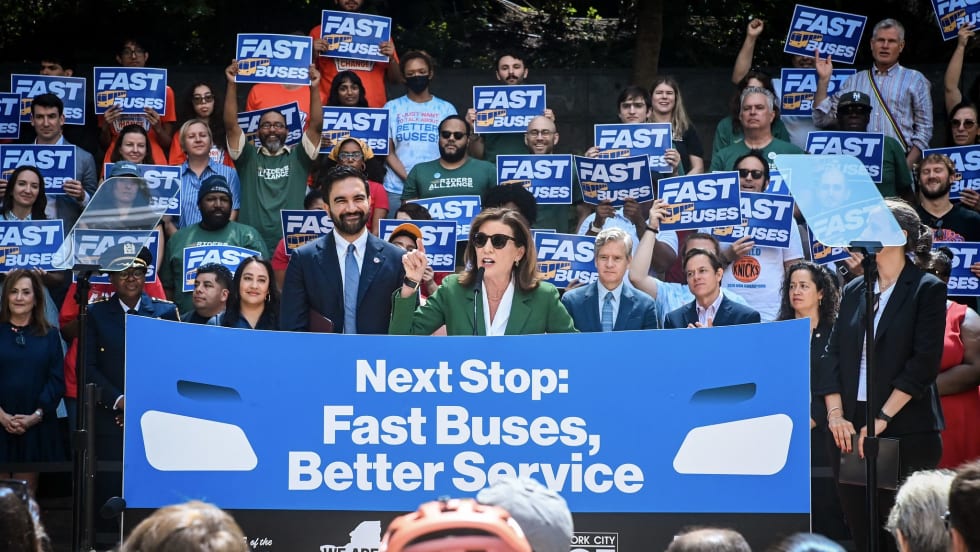
New York Unveils Sweeping Plan to Modernize City Bus Service
Next Stop: Fast Buses, Better Service identifies 50 priority bus corridors for improvements across the five boroughs and launches the City’s next generation of rapid bus service along five key routes.
Read More →