



Calif. High-Speed Rail Authority strikes station-area planning agreement
Accord with City of San José Ensures a collaborative effort between local and regional transportation partners to develop new, intermodal transportation opportunities for the region and encourage transit-oriented development and smart growth policies.

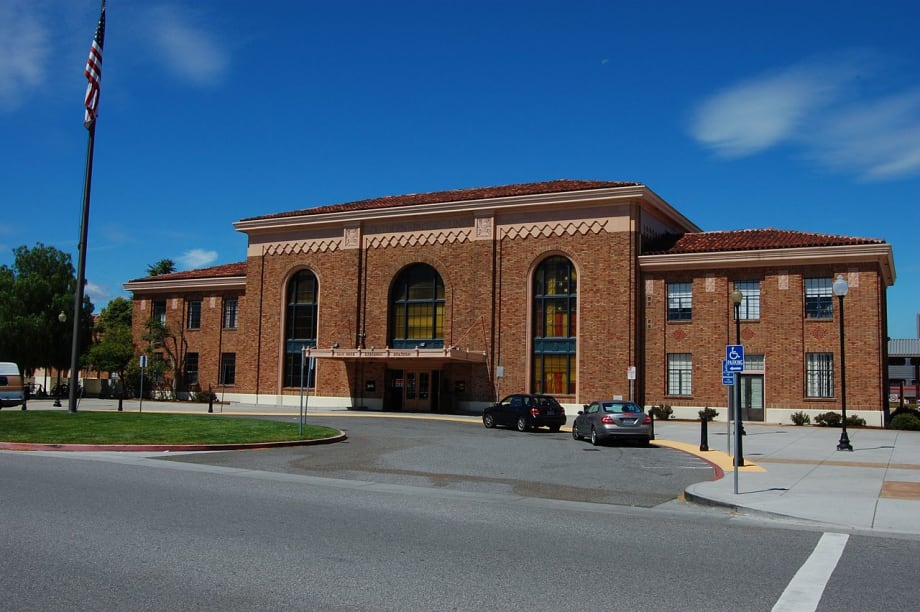
The California High-Speed Rail Authority (Authority) and the City of San José announced an agreement that will infuse $600,000 in federal and state funds into San José’s historic Diridon Station. The station area planning agreement ensures a collaborative effort between local and regional transportation partners to develop new, intermodal transportation opportunities for the region and encourage transit-oriented development and smart growth policies surrounding the station in San José.
“Our Diridon Station Area Plan envisions a vibrant and urban mixed-use setting that serves as a regional hub of jobs, housing, transportation and entertainment,” said San José Mayor Sam Liccardo.
Located on the west side of downtown San José, the Diridon Station today serves as a major transit hub for Caltrain, Amtrak Coast Starlight service, Altamont Commuter Express (ACE), the Capitol Corridor (Amtrak), the Santa Clara Valley Transit Authority (VTA) light rail and bus service and Union Pacific. Future plans include high-speed rail service and a future BART extension. Previous station planning has resulted in the development of the Diridon Station Area Plan.
The Diridon Station Area Plan lays the groundwork for high-density and transit-oriented development surrounding the station. Through this agreement, the City of San José is receiving $400,000 in federal American Recovery and Reinvestment (ARRA) funds and an additional $200,000 of state funds to advance the Diridon Station Area Plan process.
“This agreement will provide vital connections and development opportunities that will ensure that the high-speed rail station in San José becomes one of the major transportation hubs in the Bay Area,” said Board Chair Dan Richard. “This station will deliver passengers from the Central Valley and Southern California to the heart of the Silicon Valley and will provide new economic opportunities and improve mobility.”
The Authority provides station-area funds through a combination of federal and state funds to help a number of partner cities conduct planning efforts and develop conceptual designs to provide connections between high-speed rail station areas and the communities that surround them. Other partner cities that have entered into similar agreements include Merced, Fresno, Bakersfield, Gilroy, Burbank and Palmdale.
More New Mobility

From Hardware to Digital Partner: Luminator Charts Its Next Chapter
CEO Magnus Friberg discusses Luminator’s shift toward becoming a digital partner, the growing importance of software and interoperability, and how AI can help agencies improve operations and passenger experience.
Read More →
Biz Briefs: Alstom Lands Canadian Contract, LYT to Supply California TSP, and More
In METRO's latest installment, we take a look at recent news from Complete Coach Works, Beep, FlixBus, and more partnerships making headlines across the transportation sector.
Read More →
CharterUP’s Armir Harris on Technology, AI, and the Future of Group Mobility
In a recent episode of METROspectives, CharterUP Founder/CEO Armir Harris discussed the company’s evolution from an online charter bus marketplace into a technology platform supporting public- and private-sector mobility and much more.
Read More →
Jacksonville’s NAVI Project Charts a New Course for Autonomous Public Transportation
Through its NAVI program, JTA is showing how autonomous vehicles, intelligent infrastructure, and coordinated operations can work together to deliver everyday public transportation.
Read More →
Biz Briefs: Luminator Marks Milestone and More
From manufacturers and suppliers to transit agencies and motorcoach operators, these updates offer a snapshot of the projects, partnerships and business moves driving the industry forward.
Read More →
New Tricks for Old Bureaucracies: Joshua Schank on Making Transit Innovation Stick
Former LA Metro Chief Innovation Officer Joshua Schank discusses why good ideas aren't enough, how transit agencies can overcome resistance to change, and why today's challenges demand more innovation.
Read More →
How DART's GoPass Is Redefining Regional Mobility
Serving 14 transit agencies, GoPass simplifies multimodal travel by allowing riders to plan, pay for, and manage an entire trip through one app.
Read More →
Biz Briefs: OCTA Taps Clean Energy for Hydrogen Station, Stadler to Supply Via Rail Vehicles, and More
From manufacturers and suppliers to transit agencies and motorcoach operators, these updates offer a snapshot of the projects, partnerships and business moves driving the industry forward.
Read More →CharterUP Expands Into New Mobility and Autonomous Transportation
Vice President of New Mobility Stephen Joos discusses how CharterUP is leveraging its nationwide transportation network, technology platform, and autonomous vehicle partnerships to expand into workforce mobility, campus shuttles, and transit solutions.
Read More →
METRO Magazine Announces 2026 Innovative Solutions Awards Winners
Projects Recognized for Advancing Mobility Through Technology, Accessibility, Workforce Innovation, and Operational Excellence
Read More →