



Calif. high-speed rail set to start construction
Groundbreaking on the first 29-mile segment of the $68 billion project takes place in Fresno, Calif. today.

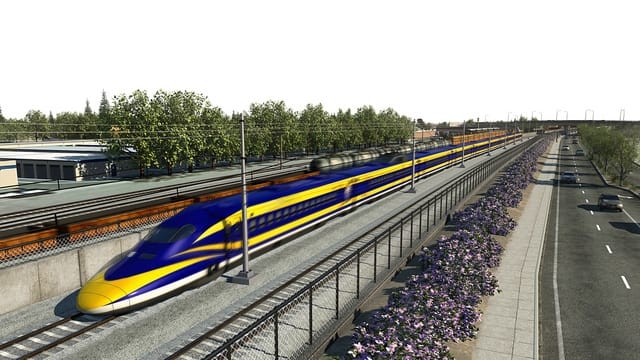
CHSRA
CHSRA
FRESNO, Calif. — Construction of Calfornia's $68 billion high-speed rail project officially starts this week, with a Tuesday groundbreaking ceremony for the first 29-mile segment of the system, the Los Angeles Times reported.
Despite prevailing in a series of court challenges to the project, and winning a federal exemption from state environmental rules, California High-Speed Rail Authority Rail officials haven't yet lined up funds needed to complete the initial system over the next 14 years. Construction is starting two years later than the state had promised, according to the report. For the full story, click here.
Marking significant progress toward modernizing California’s transportation infrastructure, the California High-Speed Rail Authority joined hundreds of supporters and government, student, community, transportation, business and labor leaders Tuesday to break ground on the nation’s first high-speed rail system.
“What is important is the connection that we are rooted in our forebears and we are committed and linked to our descendants,” said Governor Edmund G. Brown Jr. at a ceremony held at the site of the future high-speed rail station in downtown Fresno. “And the high-speed rail links us from the past to the future, from the south to Fresno and north; this is truly a California project bringing us together today.”
In addition to the support of federal, state and local dignitaries, there was strong backing from Central Valley and California-based construction crews, small businesses, and local students who were eager to highlight how high-speed rail is positively affecting California today and will continue to into the future.
“We now enter a period of sustained construction on the nation’s first high-speed rail system—for the next five years in the Central Valley and for a decade after that across California,” said High-Speed Rail Authority Board of Directors Chairman Dan Richard. “This is an investment that will forever improve the way Californians commute, travel, and live. And today is also a celebration of the renewed spirit that built California.”
The ceremony included remarks from owners of a family-owned steel manufacturer already benefitting from high-speed rail construction. Student leaders from Fresno State and University of California, Merced also explained how high-speed rail is creating new local opportunities.
Although today represented the official groundbreaking ceremony, the event also showcased ground that has already been broken in the Central Valley. The Authority provided tours of nearby construction activity, including various demolition sites. Other achievements to date include finalization of project designs, ongoing right-of-way purchases, and workforce training and mobilization.
Local and statewide small businesses are completing a majority of this work. As of September 2014, 40 small businesses have active contracts valued at $296 million on Construction Package 1, a 29-mile stretch from Avenue 17 in Madera County to East American Avenue in Fresno County. This phase of construction includes 12 grade separations, two viaducts, a tunnel, and a bridge over the San Joaquin River. California-based Tutor Perini Zachry/Parsons (TPZP), A Joint Venture, is designing and building this first phase of the project.
More Rail
New York MTA Launches Historic $1.9B Signal, Track Modernization Project
Funded in part by congestion pricing revenue, the project will replace nearly century-old signals along the A and C lines in Brooklyn and Queens.
Read More →
LA Metro Breaks Ground on East San Fernando Valley Light Rail Project
The 6.7-mile line will add 11 stations along Van Nuys Boulevard, expand access to jobs and regional transit connections, and support Metro’s broader efforts to improve mobility as rail ridership grows.
Read More →
CSA Group Releases Climate Resilience Standard for Transit, Passenger Rail
Developed with support from the Standards Council of Canada, CSA D700 guides assessing climate-related risks and planning adaptation measures for transit and passenger rail systems.
Read More →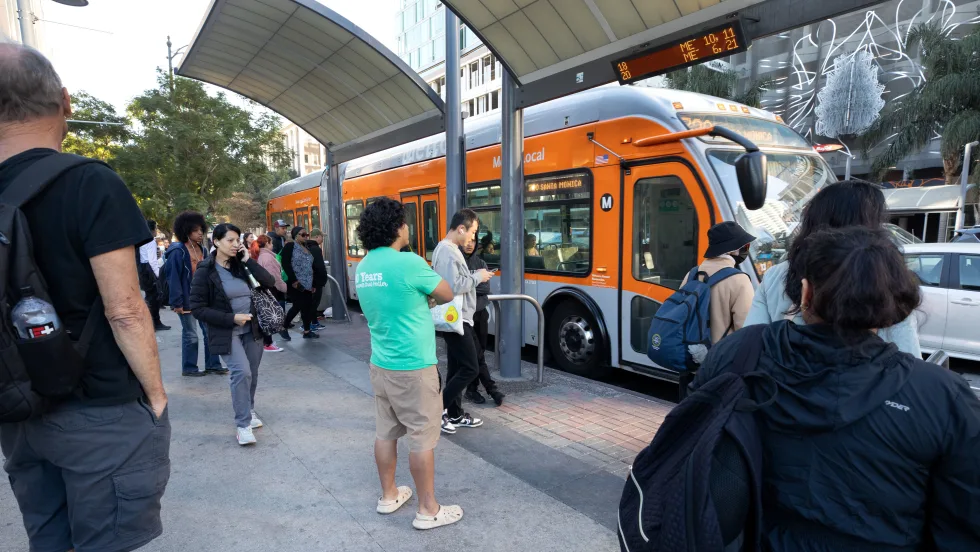
LA Metro September Ridership Climbs 3.9%, Led by Rail Growth
The agency recorded more than 27.2 million boardings, with rail ridership increasing 12.4% year over year and the D Line posting the largest gains.
Read More →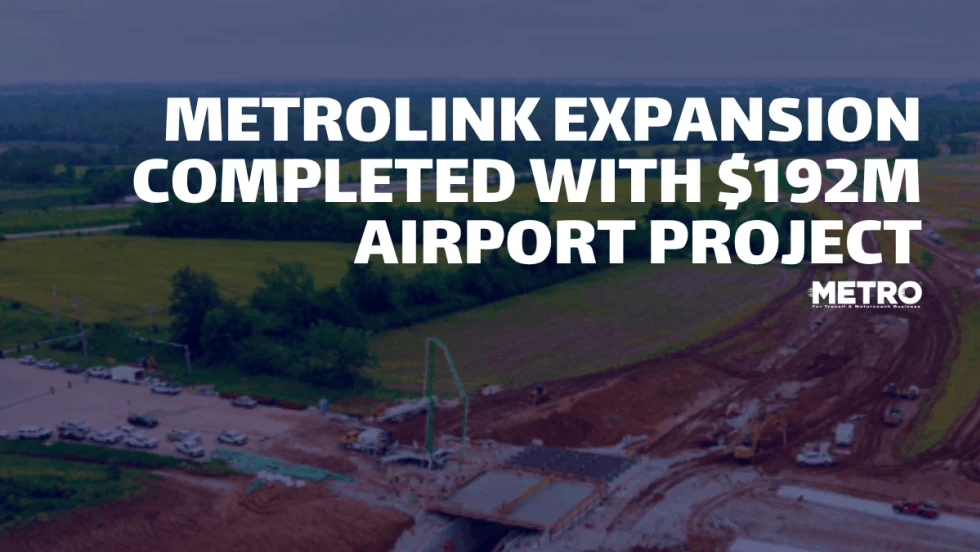
First Full MetroLink Rail Expansion Completed in 20 Years with $192M Airport Project
The project links two St. Louis-area airports by light rail while adding roadway and bike trail connections to improve regional access and mobility.
Read More →
Utilimarc Launches SmartReplace to Optimize Fleet Replacement Decisions
AI-powered SmartReplace helps fleets prioritize vehicle replacements, model budget scenarios, and build more defensible long-term strategies.
Read More →
Scenes from APTA TRANSform & EXPO 2026
Transit leaders, manufacturers, and industry professionals gathered in Chicago to explore new technologies, share ideas, and discuss the future of public transportation.
Read More →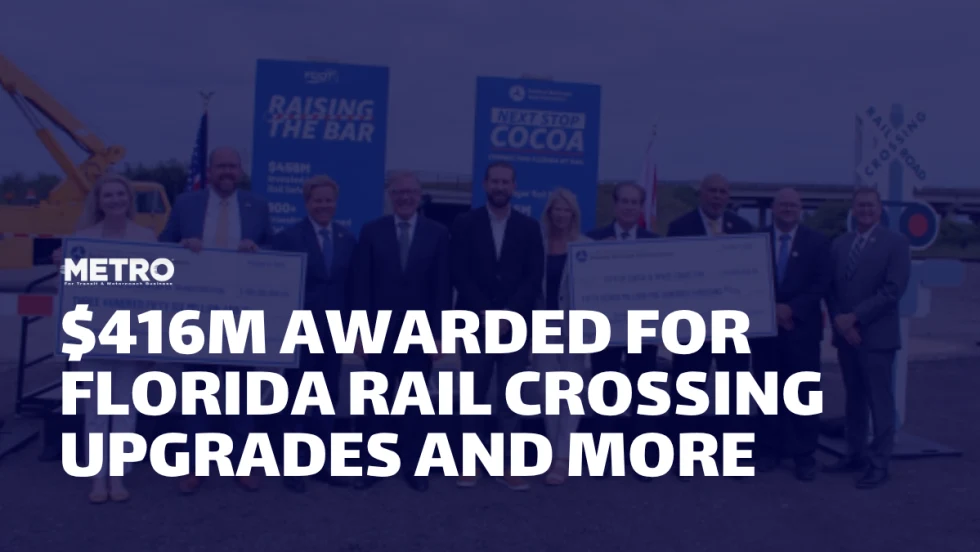
USDOT Awards $416 Million for Florida Rail Crossing Safety Upgrades, New Brightline Station
The projects aim to reduce risks for motorists and pedestrians at rail crossings while expanding passenger rail access along Florida’s Space Coast.
Read More →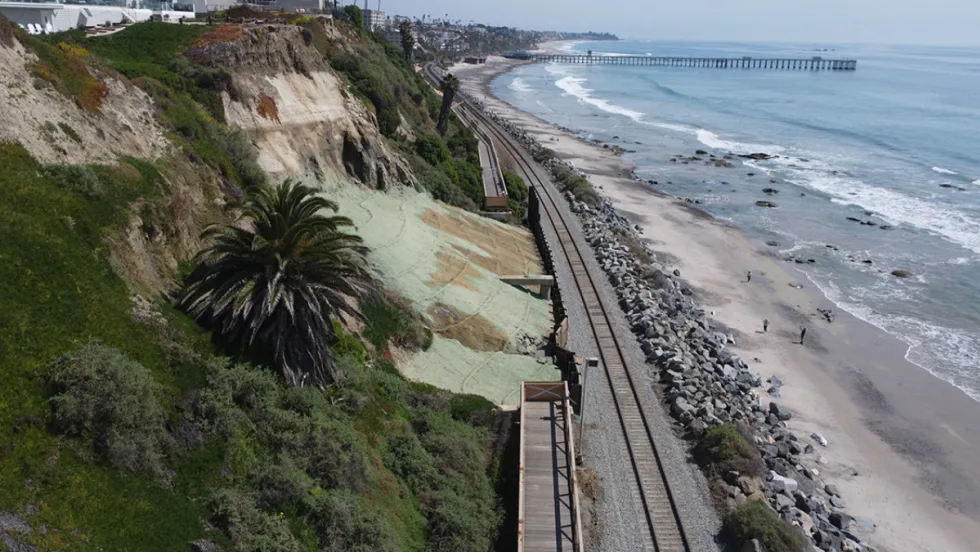
OCTA Declares Emergency to Protect Rail Corridor From Coastal Erosion
The California agency is accelerating shoreline protection and plans to place approximately 690,000 cubic yards of sand along the San Clemente coast to protect a key passenger and freight rail link.
Read More →
More Than a Summer Job: Building the Next Generation of Transit Talent
The Delaware River Port Authority and PATCO have transformed their internship program into a hands-on professional development experience that introduces students to the breadth of transportation careers — and creates a pipeline for future employees.
Read More →