




RELATED: Calif. surpasses $500M for zero-emission vehicle investments
Calif. legislature passes California Clean Air Initiative
Specifically, the legislation allocates $250 million toward the Carl Moyer program, $140 million toward incentivizing cleaner emissions vehicles at the ports, and another $180 million towards the Clean Bus and Truck program, which underwrites Low-NOx natural gas engines.
September 19, 2017

The passage of the Clean Air Initiative is particularly timely as the Ports of Los Angeles and Long Beach are scheduled to vote on a Clean Air Action Plan in early November.
2 min to read

The passage of the Clean Air Initiative is particularly timely as the Ports of Los Angeles and Long Beach are scheduled to vote on a Clean Air Action Plan in early November.
The California state legislature passed a landmark series of bills that provides $895 million toward programs that will reduce air pollution from mobile sources, which are responsible for 40% of the state’s greenhouse gas emissions. Specifically, the legislation allocates $250 million toward the Carl Moyer program, $140 million toward incentivizing cleaner emissions vehicles at the ports, and another $180 million towards the Clean Bus and Truck program, which underwrites Low-NOx natural gas engines.
Titled the “California Clean Air Initiative,” the bills will use cap-and-trade funds to replace harmful diesel engines in heavy-duty trucks and buses. According to the California Sustainable Freight Action Plan, trucks, like the thousands that move goods from the ports of Los Angeles and Long Beach, account for 33% of the state’s NOx emissions and 26% of diesel particulate matter that contributes to lung disease and other respiratory ailments.
“This is the largest investment to clean air in our state’s history, and will provide incentives to replace dirty diesel engines with cleaner-burning natural gas engines that will directly result in reducing greenhouse gas emissions and the reduction of smog-forming pollutants,” said Thomas Lawson, president of the California Natural Gas Vehicle Coalition.
The passage of the Clean Air Initiative is particularly timely as the Ports of Los Angeles and Long Beach are scheduled to vote on a Clean Air Action Plan (CAAP) in early November. With funding now available, the final version of the plan can be made much more effective than previous versions through the use of incentives to remove diesel burning heavy-duty trucks and replace them with new trucks using low-NOx natural gas engines fueled by renewable natural gas. The current draft plan allows diesel trucks to continue operating in the ports for another 17 years.
More Technology
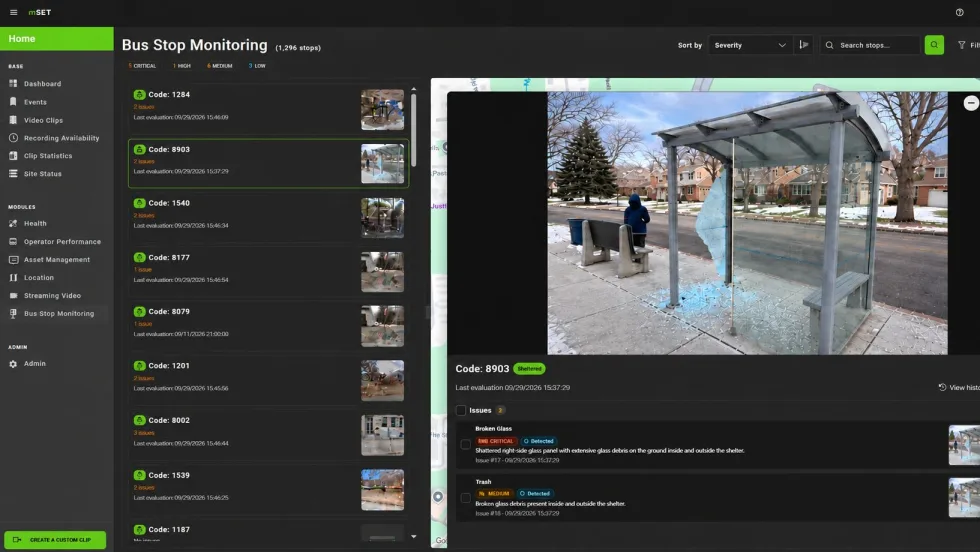
Biz Briefs: Luminator Launches AI Technology to Monitor Bus Stop Conditions and More
In METRO's latest installment, we also take a look at recent news from Masabi, Troman Industries, ioki, CCW, and more partnerships making headlines across the transportation sector.
Read More →
Public Transit Conference Returning to GFX in 2027, Call for Papers Now Open
The Call for Papers is now open, allowing transit agency professionals and industry experts to help shape the PTC educational program by submitting session ideas for consideration.
Read More →
ENC Lands MATA Contract and More in Biz Briefs
In this edition of Biz Briefs, we spotlight the latest developments shaping the future of mobility.
Read More →

Strada360’s Steve Lassey on Turning Transit Data Into Better Decisions
From breaking down data silos to preparing for AI, Strada360 CEO Steve Lassey discusses how transit agencies can use technology to improve operations, customer information, and long-term decision-making.
Read More →
Almaviva Looks to Open Architecture to Advance Transit Technology
Eric Reese discusses how interoperability, open architecture, and modular design can help transit agencies control costs, reduce vendor lock-in, and upgrade technology without starting over.
Read More →
Driving Smarter Paratransit
John Hanlon shares how AlphaRoute is leveraging AI-powered technology to help paratransit providers optimize operations, support frontline staff, and enhance the rider experience.
Read More →
From Hardware to Digital Partner: Luminator Charts Its Next Chapter
CEO Magnus Friberg discusses Luminator’s shift toward becoming a digital partner, the growing importance of software and interoperability, and how AI can help agencies improve operations and passenger experience.
Read More →
Beyond the Checklist: A Structured Approach to Transit Maintenance
Reliability-Centered Maintenance helps transit agencies move beyond routine checklists to focus limited resources on the assets and failures that have the greatest impact on safety, reliability, and service.
Read More →
NJ TRANSIT Advances Bus Technology Upgrades Across Statewide Fleet
More than 1,500 buses now feature upgraded technology designed to improve arrival predictions and provide free Wi-Fi, with deployment expected to reach nearly 2,000 buses by the end of 2026.
Read More →
Building a Flexible Path to Transit Electrification
John Hroncich discusses BAE Systems’ modular and scalable approach, lessons learned from decades of real-world operations, and how agencies can identify electrification strategies that fit their fleets.
Read More →