




Read More: Caltrain, Partners Celebrate Energization of 2nd Traction Power Substation
Caltrain Board Decides No Fare Increase Until 2025
On July 1, 2025, the base fare will increase from $3.75 to $4.00 for adults and $1.75 to $2.00 for Eligible Discount riders.
September 12, 2023
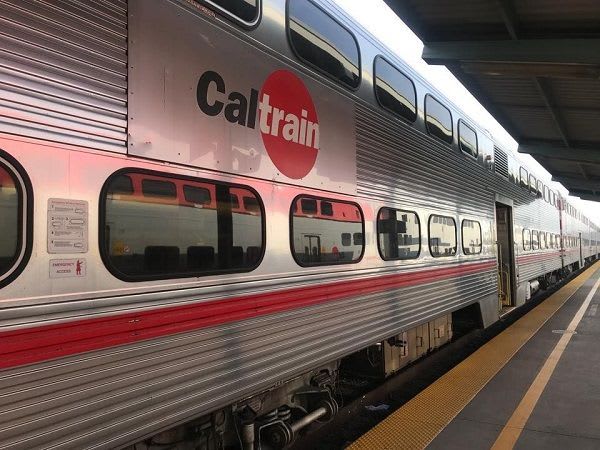
The board approved the previous fare structure in May 2022, at which time they delayed scheduled fare increases in order to prioritize ridership growth.
Photo: Caltrain
3 min to read
Caltrain announced its Board of Directors has adopted a new fare structure, delaying previously approved fare increases until July 1, 2025, and lowering the price of Go Pass, Caltrain’s discounted fare product for businesses and students.
This new approach aims for more gradual, incremental fare increases than what was previously approved in September 2019, with each step only being 25 cents.
This will provide Caltrain’s ridership with more time to continue to grow, as weekday ridership has surpassed 20,000 per day, 21% higher than it was this time last year, even despite service reductions due to the electrification project in recent months.
Adopting Clipper START
Under this new policy, Clipper START will be adopted as a permanent fare category on January 1, 2024. Clipper START is a pilot program that provides a 50% discount on Caltrain for eligible low-income San Francisco Bay Area residents.
January 1, 2024, will also see a reduction in the current Go Pass price from $342 per pass to $275.
Smaller organizations will also find Go Pass much more accessible, as the board voted to reduce the minimum number of eligible users from 84 to 20, reducing the minimum cost of participation to $5,500.
On top of that reduction, it will allow substantial discounts (up to 80% off) for residents of affordable housing projects and for students.
Prior to this, residents of affordable housing projects and students were required to pay the full Go Pass price, but with the price reductions and additional discounts, far more schools and affordable housing projects will be able to participate.
Staff expect the reduced income from lowering the cost to be offset by an increase in demand for the Go Pass.
Base Fare Set to Increase in 2025
On July 1, 2025, the base fare will increase from $3.75 to $4.00 for adults and $1.75 to $2.00 for Eligible Discount riders.
On July 1, 2026 (FY27), the cost of a Zone upgrade will go from $2.25 to $2.50 for adults and $1.00 to $1.25 for Eligible Discount riders.
On July 1, 2027, the base fare will increase from $4.00 to $4.25 for adult riders. These changes are expected to increase fare revenue by $1.1 million over the next three years.
The board also adopted policies around Next Generation Clipper that will bring about positive changes for riders.
With Next Generation Clipper, Caltrain can accept open payments, meaning riders can pay for each trip using a credit or debit card tapped at a Clipper Validator. This will allow riders to purchase a one-way ticket simply by tapping a credit or debit card.
It also affirms Caltrain’s participation in the Free or Reduced Cost Transfers Regional Transit Pilot Program, which is part of the Regional Fare Coordination and Integration Study.
This program, managed by BART and the Metropolitan Transportation Commission and set to launch along with Next Generation Clipper, will provide a transfer discount up to the region’s highest local transit fare to Clipper riders transferring to Caltrain within two hours of the first boarding.
The board approved the previous fare structure in May 2022, at which time they delayed scheduled fare increases in order to prioritize ridership growth.
More New Mobility

From Hardware to Digital Partner: Luminator Charts Its Next Chapter
CEO Magnus Friberg discusses Luminator’s shift toward becoming a digital partner, the growing importance of software and interoperability, and how AI can help agencies improve operations and passenger experience.
Read More →
Biz Briefs: Alstom Lands Canadian Contract, LYT to Supply California TSP, and More
In METRO's latest installment, we take a look at recent news from Complete Coach Works, Beep, FlixBus, and more partnerships making headlines across the transportation sector.
Read More →
CharterUP’s Armir Harris on Technology, AI, and the Future of Group Mobility
In a recent episode of METROspectives, CharterUP Founder/CEO Armir Harris discussed the company’s evolution from an online charter bus marketplace into a technology platform supporting public- and private-sector mobility and much more.
Read More →
Jacksonville’s NAVI Project Charts a New Course for Autonomous Public Transportation
Through its NAVI program, JTA is showing how autonomous vehicles, intelligent infrastructure, and coordinated operations can work together to deliver everyday public transportation.
Read More →
Biz Briefs: Luminator Marks Milestone and More
From manufacturers and suppliers to transit agencies and motorcoach operators, these updates offer a snapshot of the projects, partnerships and business moves driving the industry forward.
Read More →
New Tricks for Old Bureaucracies: Joshua Schank on Making Transit Innovation Stick
Former LA Metro Chief Innovation Officer Joshua Schank discusses why good ideas aren't enough, how transit agencies can overcome resistance to change, and why today's challenges demand more innovation.
Read More →
How DART's GoPass Is Redefining Regional Mobility
Serving 14 transit agencies, GoPass simplifies multimodal travel by allowing riders to plan, pay for, and manage an entire trip through one app.
Read More →
Biz Briefs: OCTA Taps Clean Energy for Hydrogen Station, Stadler to Supply Via Rail Vehicles, and More
From manufacturers and suppliers to transit agencies and motorcoach operators, these updates offer a snapshot of the projects, partnerships and business moves driving the industry forward.
Read More →CharterUP Expands Into New Mobility and Autonomous Transportation
Vice President of New Mobility Stephen Joos discusses how CharterUP is leveraging its nationwide transportation network, technology platform, and autonomous vehicle partnerships to expand into workforce mobility, campus shuttles, and transit solutions.
Read More →
METRO Magazine Announces 2026 Innovative Solutions Awards Winners
Projects Recognized for Advancing Mobility Through Technology, Accessibility, Workforce Innovation, and Operational Excellence
Read More →