



Campaign launched to keep historic Seattle waterfront streetcars
The George Benson streetcars, named after the City Councilmember who brought them to the city, have been stored in a warehouse since being taken out of service in 2005.

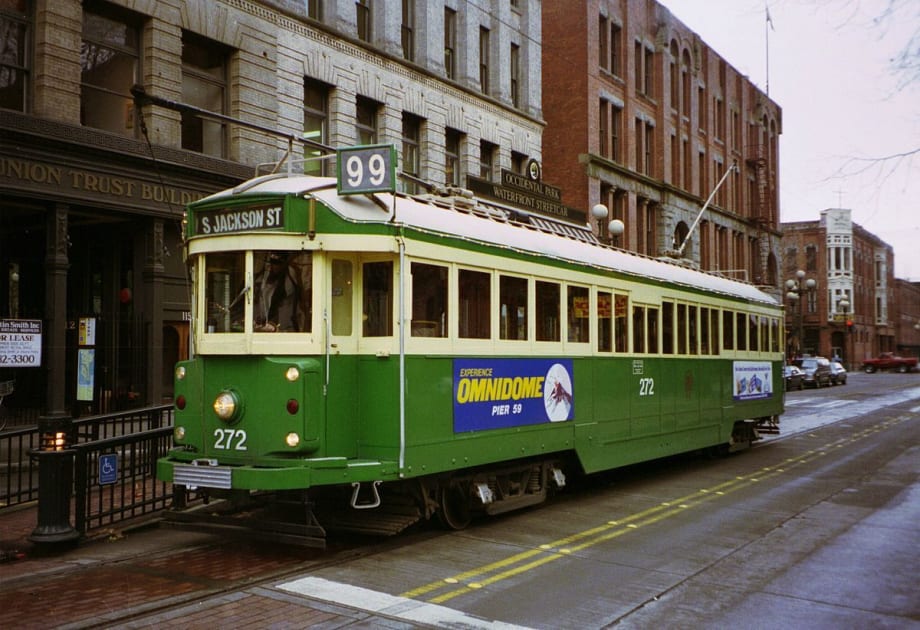
Photo: Peter Van den Bossche
Photo: Peter Van den Bossche
A citizen campaign is underway to maintain the presence of the historic waterfront George Benson streetcars as part of Seattle’s new streetcar network.
The private venture, Friends of the Benson Trolleys, is launching a two-year fundraising effort to retrofit the streetcars so they can operate on Seattle streetcar tracks and be placed in service alongside the modern cars.
The remaining three cars have been sold to the city of St Louis and will be placed into service on the heritage trolley line that will serve the Delmar Loop district and University City, Mo. The city’s Loop Trolley District will pay approximately $200,000 for the trolleys.
“While we would prefer to have all five cars return in Seattle, we believe that if we can put the remaining two cars back in service we will honor George Benson’s legacy and provide a link between the historic districts in Chinatown-International District, Pioneer Square and the Pike Place Market,” said former Metro GM Tom Gibbs, who has long advocated for the Benson cars. Gibbs and other advocates are leading the Friends of the Benson Trolleys effort and will immediately begin a fundraising campaign to bring the cars back into operation.
The waterfront streetcars — originally operating along the Seattle Waterfront and the Chinatown-International District — have been stored in a warehouse in the area's Industrial District since being taken out of service in 2005. In support of the citizen-led effort, Seattle has agreed to help store the remaining cars for two years pending the outcome of the private fundraising campaign. For now, ownership of the vehicles will remain with King County.
The Benson streetcars, originally constructed in Melbourne, Australia, were brought to Seattle in 1982 by Seattle City Councilmember George Benson to operate on Seattle’s waterfront. In 1990, the line was extended through Pioneer Square to Chinatown-International District and the cars were further retrofitted with funding from the Federal Transit Administration. In 2005, the streetcars were forced out of service by the construction of the Olympic Sculpture Park, which required demolition of the maintenance barn that housed them. Since then various proposals have been made to put them back in service, but that has proven difficult due to lack of funding and construction related to the Central Waterfront, Seawall, and Alaskan Way Viaduct Replacement projects.
King County Metro has stored the vintage Benson streetcars for more than a decade, but the old warehouse is in poor condition and its site is needed for bus base expansion to serve King County’s growing transit needs. Continued storage of the cars would have necessitated an expensive move and a new warehouse. In addition, last year, the Federal Transit Administration informed King County that if the streetcars are not put back in service soon, Metro will need to repay the federal government’s remaining investment in the cars of about $205,000.
“Metro is very proud of our history with the Benson streetcars, but we need to balance that with our obligation to serve the people of King County with efficient bus service as our region continues to grow,” said Metro GM Kevin Desmond.
The City of Seattle is currently planning a Center City Connector primarily on 1st Avenue that will link the Westlake terminus of the South Lake Union Streetcar with the Pioneer Square terminus of the First Hill Streetcar. Seattle has indicated that it is open to a mix of vintage and modern streetcars, but does not have funds available for restoration of the vehicles. The city has agreed to store the cars for up to two years to give private interests the opportunity to raise the money needed to upgrade the Benson streetcars to meet modern operating standards and ADA requirements.
Advocates for putting the vintage Benson streetcars back in service have worked hard over the past decade to find a way to run them on the streets of Seattle again.
While an agreement has been reached to bring the three trolleys to St. Louis, there are still several details to be worked out regarding the move and storage of the remaining two streetcars. The goal of all parties is to get the Benson streetcars out of the warehouse and to achieve a win-win-win solution that will keep at least part of the rich heritage of the vintage cars in our region.
More Rail
LA Metro Breaks Ground on East San Fernando Valley Light Rail Project
The 6.7-mile line will add 11 stations along Van Nuys Boulevard, expand access to jobs and regional transit connections, and support Metro’s broader efforts to improve mobility as rail ridership grows.
Read More →
CSA Group Releases Climate Resilience Standard for Transit, Passenger Rail
Developed with support from the Standards Council of Canada, CSA D700 guides assessing climate-related risks and planning adaptation measures for transit and passenger rail systems.
Read More →
LA Metro September Ridership Climbs 3.9%, Led by Rail Growth
The agency recorded more than 27.2 million boardings, with rail ridership increasing 12.4% year over year and the D Line posting the largest gains.
Read More →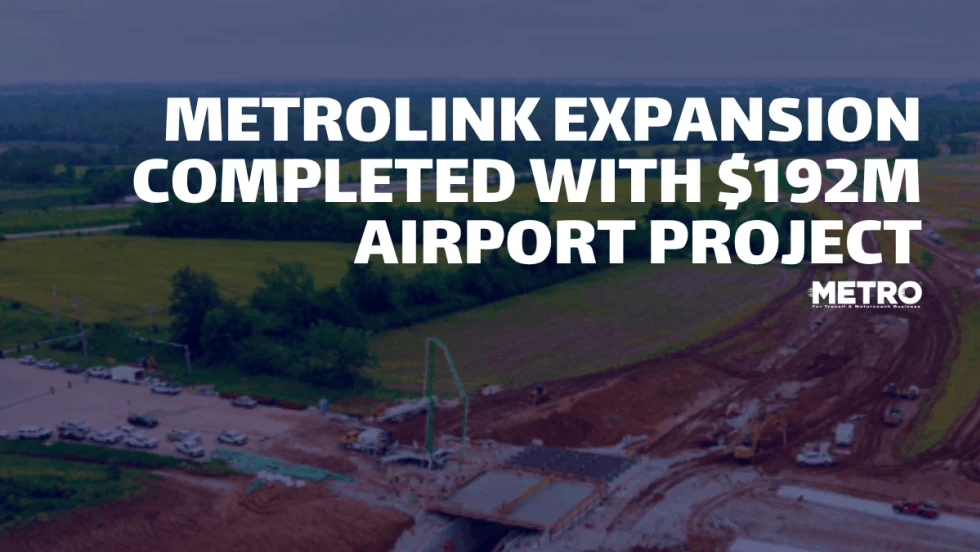
First Full MetroLink Rail Expansion Completed in 20 Years with $192M Airport Project
The project links two St. Louis-area airports by light rail while adding roadway and bike trail connections to improve regional access and mobility.
Read More →
Utilimarc Launches SmartReplace to Optimize Fleet Replacement Decisions
AI-powered SmartReplace helps fleets prioritize vehicle replacements, model budget scenarios, and build more defensible long-term strategies.
Read More →
Scenes from APTA TRANSform & EXPO 2026
Transit leaders, manufacturers, and industry professionals gathered in Chicago to explore new technologies, share ideas, and discuss the future of public transportation.
Read More →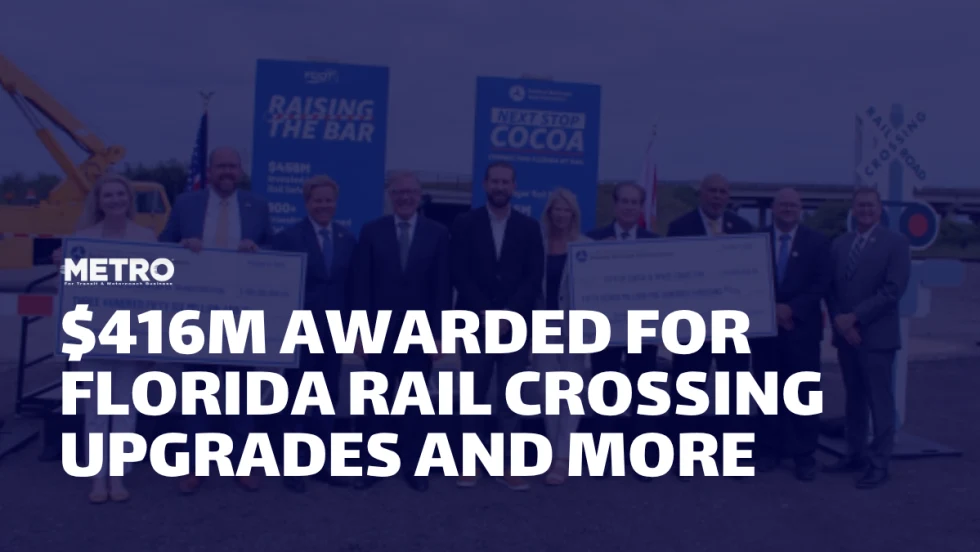
USDOT Awards $416 Million for Florida Rail Crossing Safety Upgrades, New Brightline Station
The projects aim to reduce risks for motorists and pedestrians at rail crossings while expanding passenger rail access along Florida’s Space Coast.
Read More →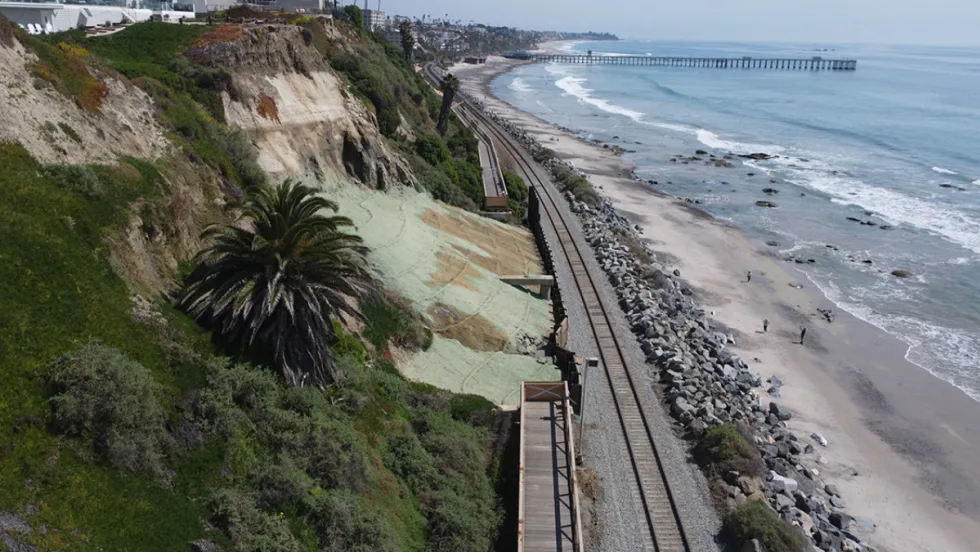
OCTA Declares Emergency to Protect Rail Corridor From Coastal Erosion
The California agency is accelerating shoreline protection and plans to place approximately 690,000 cubic yards of sand along the San Clemente coast to protect a key passenger and freight rail link.
Read More →
More Than a Summer Job: Building the Next Generation of Transit Talent
The Delaware River Port Authority and PATCO have transformed their internship program into a hands-on professional development experience that introduces students to the breadth of transportation careers — and creates a pipeline for future employees.
Read More →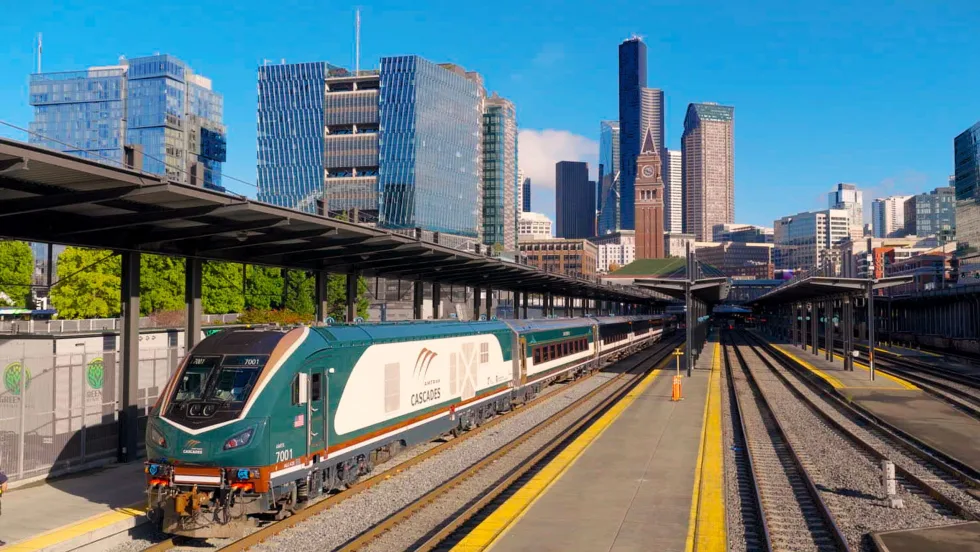
Airo Trains Make Their Amtrak Cascades Debut in the Pacific Northwest
Effective immediately, two cutting-edge Airo trainsets will join the Amtrak Cascades route, operating four daily trips between Vancouver, B.C., Seattle, Portland, and Eugene, Oregon, marking the first introduction of Airo trains into passenger service anywhere in the country.
Read More →