



Canada's TransLink Moving Forward with Large Service Increases
The plan will fund the largest increase in bus service since 2018 — on top of increases approved last year — advance bus rapid transit (BRT) projects and makes progress in reducing TransLink’s long-term structural deficit.


TransLink was facing a structural deficit of more than $600 million annually because of an operating funding shortage.
Photo: TransLink
Vancouver-based TransLink’s 2025 Investment Plan was approved by the Mayors’ Council and TransLink’s board.
The plan will fund the largest increase in bus service since 2018 — on top of increases approved last year — advance bus rapid transit (BRT) projects and makes progress in reducing TransLink’s long-term structural deficit.
TransLink’s Investment Plan
Through this Investment Plan, TransLink will create new bus routes to serve people in eight areas that currently have no transit and will add or enhance bus routes to improve transit in six under-served areas.
The improvements will increase people’s access to job sites by adding new routes to industrial areas like Campbell Heights (Surrey), Gloucester (Langley), and Tilbury (Delta).
TransLink will also provide enhanced access to parks like Stanley Park, Terra Nova Park (Richmond), and Golden Ears Provincial Park (Maple Ridge).
Key investments include:
More service on 50 overcrowded bus routes.
Improving or implementing 40 new routes, including to 14 areas with no or limited transit service.
Extending the North Shore’s R2 RapidBus to Metrotown by 2027.
Design stage for three BRT corridors.
Improve the condition of Metro Vancouver’s deteriorating roads by expanding pavement rehabilitation on the Major Road Network.
Continuing investments in local walking and cycling paths, and bus priority infrastructure.
Addressing Structural Deficit
TransLink was facing a structural deficit of more than $600 million annually because of an operating funding shortage. This was caused primarily by declining fuel tax revenue, increasing costs, and fare increases being capped under the rate of inflation between 2020 and 2024.
The agency’s new plan will fully fund TransLink operations until the end of 2027 and cut the structural deficit by almost half thereafter.
The Investment Plan will be funded through several measures, including a $20 increase in property taxes for median households in 2025 and a fare increase of $0.14 for the average trip starting in July 2026.
The Government of British Columbia is also investing in TransLink operations, including a one-time contribution of $312 million and a commitment to a new revenue source by 2027.
More Bus

Report: Transit Bus Manufacturing Supports 34,100 Jobs, $5.1B in GDP
The “Buses Mean Business” report examines the transit bus manufacturing industry’s economic footprint, supply chain, and rising demand for vehicle replacements.
Read More →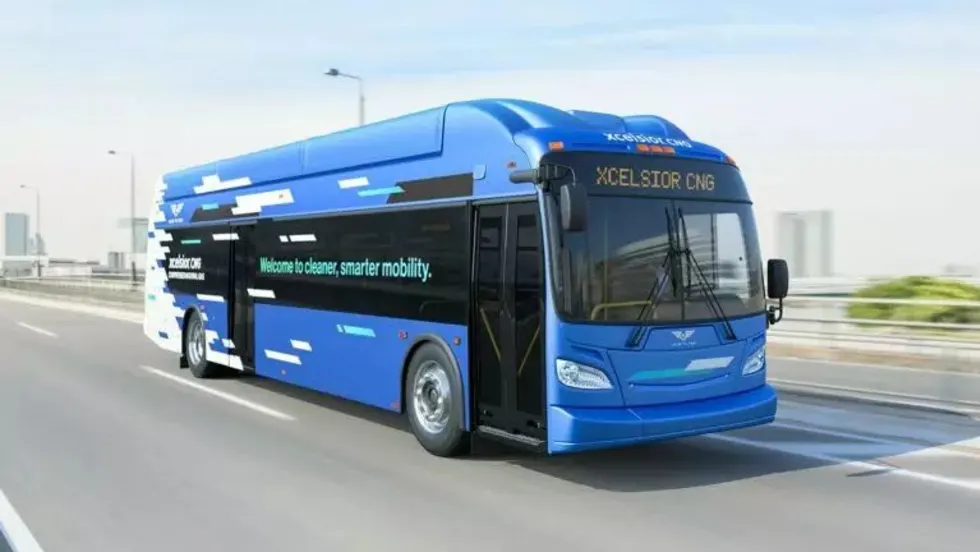
Biz Briefs: New Flyer Delivers in Columbus, Houston, Beep and Freebee Merge, and More
In this edition of Biz Briefs, we spotlight the latest developments shaping the future of mobility.
Read More →
People Movement: Dan Dipert Coaches Adds Third-Generation Leader, Keolis Names New Valley Metro VP/GM, and More
In this edition, we also cover recent appointments and announcements at the Wabtec, SilverRide, HNTB, and more, showcasing the individuals helping to shape the future of transportation.
Read More →
New York MTA Plans Largest Bus Fleet Upgrade in More Than a Decade
The agency is seeking manufacturers for 650 new CNG buses to replace aging vehicles, improve reliability, and advance its broader fleet modernization strategy.
Read More →
Building a Flexible Path to Transit Electrification
John Hroncich discusses BAE Systems’ modular and scalable approach, lessons learned from decades of real-world operations, and how agencies can identify electrification strategies that fit their fleets.
Read More →
Bus Tech Talk: Keeping Transit Technicians Ahead of the Technology Curve
LA Metro’s Obed Mejia discusses technician training, evolving maintenance technology, fleet replacement, and strategies for getting the most out of today’s transit fleets.
Read More →
Biz Briefs: RIPTA Unveils New Frontrunners, Clevland RTA Adds New Siemens, and More
In METRO's latest installment, we take a look at recent news from Siemens, Prevost, Dodge, and more partnerships making headlines across the transportation sector.
Read More →
People Movement: Holly Arnold Joins Transdev and More
In this edition, we also cover recent appointments and announcements at Pace, CamTran, MCI, and more, showcasing the individuals helping to shape the future of transportation.
Read More →
The High Cost of Transit Buses: Industry Leaders Look to Procurement Reform
Transit leaders and policymakers examine how standardized bus designs, streamlined procurement, and predictable funding could help agencies stretch budgets and deliver better service.
Read More →
The Business Voice Behind Public Transportation
As chair of APTA’s Business Members Board of Governors, Ray Melleady explains how more than 850 business members are partnering with transit agencies to advance funding, innovation, and industry-wide collaboration.
Read More →