



Champion's FlexBus to be tested for usability
The study, organized and conducted by the Dallas Smith Corp. and the Center for Inclusive Design and Environmental Access at the University of Buffalo, is part of a five-year project to evaluate current bus models and recommend improvements for future designs.

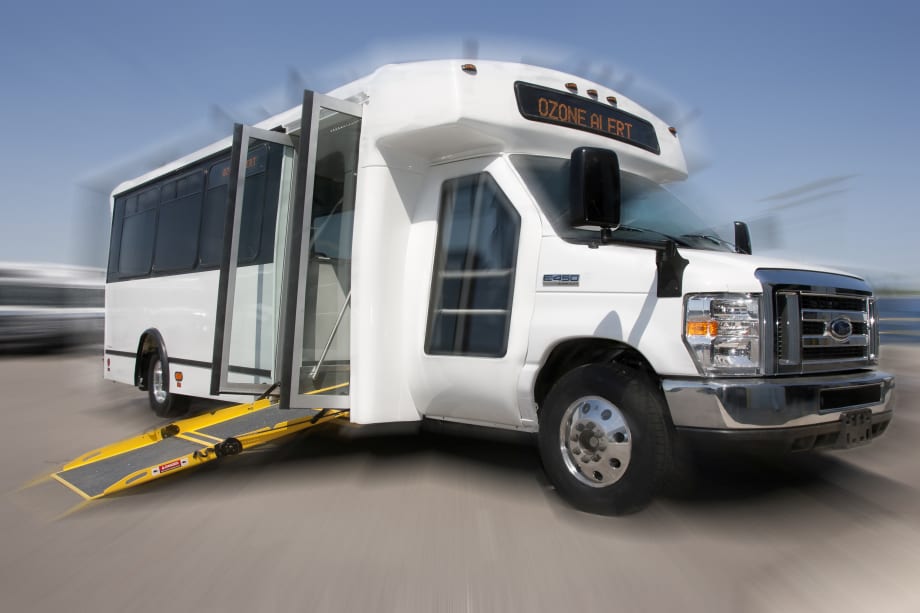

The study, organized and conducted by the Dallas Smith Corp. and the Center for Inclusive Design and Environmental Access at the University of Buffalo, is part of a five-year project to evaluate current bus models and recommend improvements for future designs.
In the first phase of the study, groups who use manual wheelchairs, power wheelchairs, scooters, ambulation aids, and strollers will analyze new and existing ramp technologies.
The usability of boarding a next generation transit shuttle bus equipped with an electronically adjustable access ramp will be compared to the usability of boarding a conventional transit shuttle bus equipped with entry steps and a lift. The usability of uniform-slope access ramps will also be compared to ramps with grade breaks.
“We are very pleased to participate in this study which will compare the performance of our proprietary electronic ramp technologies on the FlexBus to conventional lift equipped vehicles,” said John Resnik, president of Champion Bus. “Our innovative air-ride suspension system has automatic sensing and self-leveling features that provide an even ramp slope for improved accessibility, making it the only one of its kind in the industry.”
The Equalizer ramp system comes with automatic sensing technologies that provide an even ramp slope for improved accessibility. The system makes passenger entry and exit much safer and improves route efficiency by decreasing boarding and exit times.
More Paratransit

People Movement: Dan Dipert Coaches Adds Third-Generation Leader, Keolis Names New Valley Metro VP/GM, and More
In this edition, we also cover recent appointments and announcements at the Wabtec, SilverRide, HNTB, and more, showcasing the individuals helping to shape the future of transportation.
Read More →
Biz Briefs: RIPTA Unveils New Frontrunners, Clevland RTA Adds New Siemens, and More
In METRO's latest installment, we take a look at recent news from Siemens, Prevost, Dodge, and more partnerships making headlines across the transportation sector.
Read More →
King County Metro Makes ADA Paratransit Easier to Navigate
METRO's Innovative Solutions Award winner replaces complex service-area descriptions with an accessible, interactive map that puts paratransit information directly in customers’ hands.
Read More →
Jacksonville’s NAVI Project Charts a New Course for Autonomous Public Transportation
Through its NAVI program, JTA is showing how autonomous vehicles, intelligent infrastructure, and coordinated operations can work together to deliver everyday public transportation.
Read More →
Driving Smarter Paratransit
John Hanlon shares how AlphaRoute is leveraging AI-powered technology to help paratransit providers optimize operations, support frontline staff, and enhance the rider experience.
Read More →
METRO Magazine Announces 2026 Innovative Solutions Awards Winners
Projects Recognized for Advancing Mobility Through Technology, Accessibility, Workforce Innovation, and Operational Excellence
Read More →
Biz Briefs: STV teams with Amtrak, Motorcoach Operators Boost Fleet and Land Contracts, and More
From manufacturers and suppliers to transit agencies and motorcoach operators, these updates offer a snapshot of the projects, partnerships and business moves driving the industry forward.
Read More →
Biz Briefs: Masabi Teams with St. Louis Metro and More
In METRO's latest installment, we take a look at recent news from Transdev, Hitachi, and more partnerships making headlines across the transportation sector.
Read More →
New York MTA Leverages Zoning Program to Advance Station Accessibility
Accessibility enhancements at Nevins St Station will be financed through a development agreement tied to the MTA's Zoning for Accessibility initiative.
Read More →
Reinventing Fleet Maintenance with Real-time Visibility and AI
Transit leaders need to know what needs fixing, where to look, who is responsible, when work is completed, and what it costs without having to chase information across disconnected systems.
Read More →