



Chicago to upgrade rail system's wireless network
Issued RFI bid to solicit responses from companies to determine the feasibility of implementing a modern cellular infrastructure system in the 11.4 miles of CTA’s Red and Blue line tunnels and underground facilities.

The Chicago Transit Authority (CTA) plans to upgrade the wireless communication network in its subways and underground facilities to increase the speed and reliability of its network, with the goal of ensuring that customers of all major wireless carriers will have continuous mobile phone service underground in all CTA subway tunnels.
As a first step, the CTA issued a Request for Information (RFI) bid to solicit responses from wireless telecommunication companies to determine the feasibility of designing, financing, installing, operating and maintaining a modern cellular infrastructure system in the 11.4 miles of CTA’s Red and Blue line tunnels and underground facilities.
“To be a world-class city, Chicago must have a world-class infrastructure, so that people can get around the city efficiently, safely, and productively,” said Mayor Rahm Emanuel. “CTA is investing in all aspects of its infrastructure, from rails to stations to wireless access and as the quality of the service continues to improve, I am confident more and more passengers will use the system to get to work and school and enjoy their lives.”
The four-week RFI bid is intended to gather information through an interactive and collaborative process with interested parties, which will help CTA determine the estimated project budget, requirements and timeline for implementation. This information will form the basis of the official Request for Proposals (RFP), which will be issued at a later date. CTA will ultimately seek a neutral-host partner that can serve all wireless carriers. The goal of both the RFI and the RFP will be to find a partner that can provide CTA customers with uninterrupted wireless service.
Under the proposed project, CTA would ultimately own the new network; however, respondents would be solely responsible for funding their proposed projects. In addition to building and operating a vendor neutral-host network — which will allow any wireless service provider to operate on the system — the selected vendor will also be responsible for managing and negotiating third-party license agreements with major wireless service providers. Fees generated from the third-party licenses would be split with the managing vendor and CTA.
The CTA currently owns and leases its subway cellular network to six major wireless service providers, which generates approximately $1.8 million in non-farebox revenue for the agency annually.
RELATED ARTICLE: Check out, "Ill. public transportation agencies fight conceal carry."
More Rail
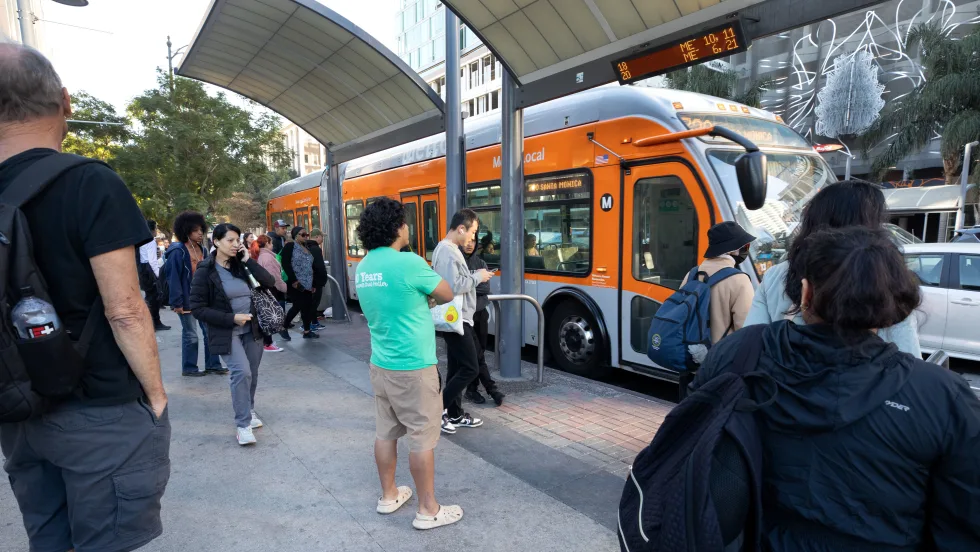
LA Metro September Ridership Climbs 3.9%, Led by Rail Growth
The agency recorded more than 27.2 million boardings, with rail ridership increasing 12.4% year over year and the D Line posting the largest gains.
Read More →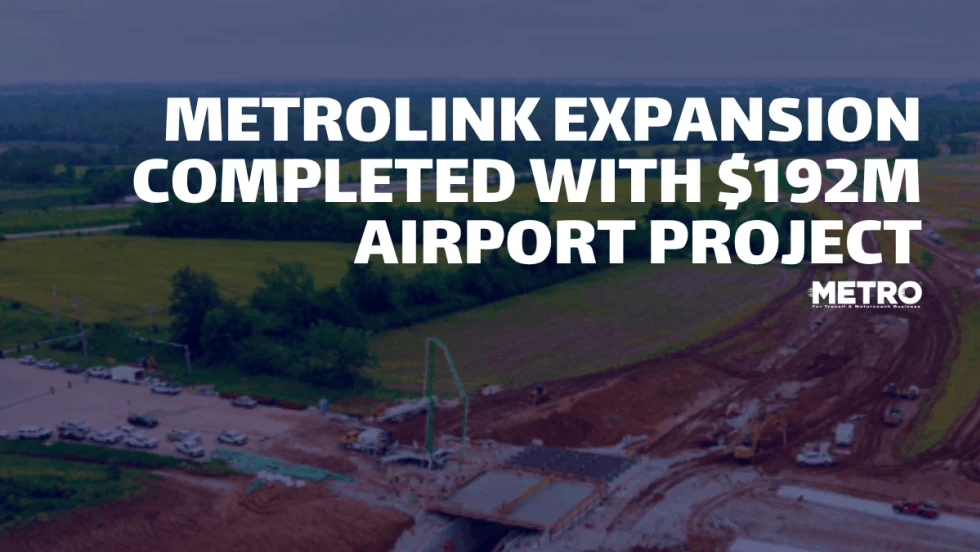
First Full MetroLink Rail Expansion Completed in 20 Years with $192M Airport Project
The project links two St. Louis-area airports by light rail while adding roadway and bike trail connections to improve regional access and mobility.
Read More →
Utilimarc Launches SmartReplace to Optimize Fleet Replacement Decisions
AI-powered SmartReplace helps fleets prioritize vehicle replacements, model budget scenarios, and build more defensible long-term strategies.
Read More →
Scenes from APTA TRANSform & EXPO 2026
Transit leaders, manufacturers, and industry professionals gathered in Chicago to explore new technologies, share ideas, and discuss the future of public transportation.
Read More →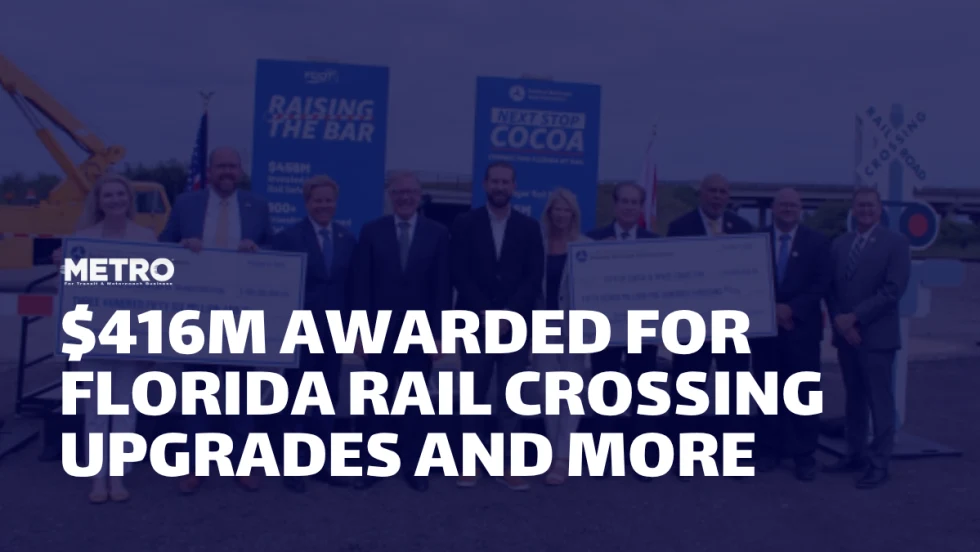
USDOT Awards $416 Million for Florida Rail Crossing Safety Upgrades, New Brightline Station
The projects aim to reduce risks for motorists and pedestrians at rail crossings while expanding passenger rail access along Florida’s Space Coast.
Read More →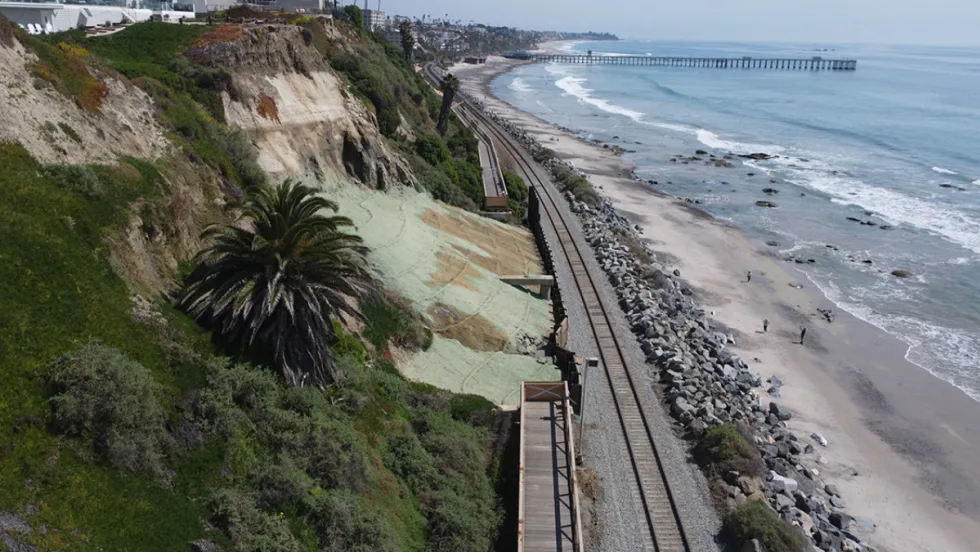
OCTA Declares Emergency to Protect Rail Corridor From Coastal Erosion
The California agency is accelerating shoreline protection and plans to place approximately 690,000 cubic yards of sand along the San Clemente coast to protect a key passenger and freight rail link.
Read More →
More Than a Summer Job: Building the Next Generation of Transit Talent
The Delaware River Port Authority and PATCO have transformed their internship program into a hands-on professional development experience that introduces students to the breadth of transportation careers — and creates a pipeline for future employees.
Read More →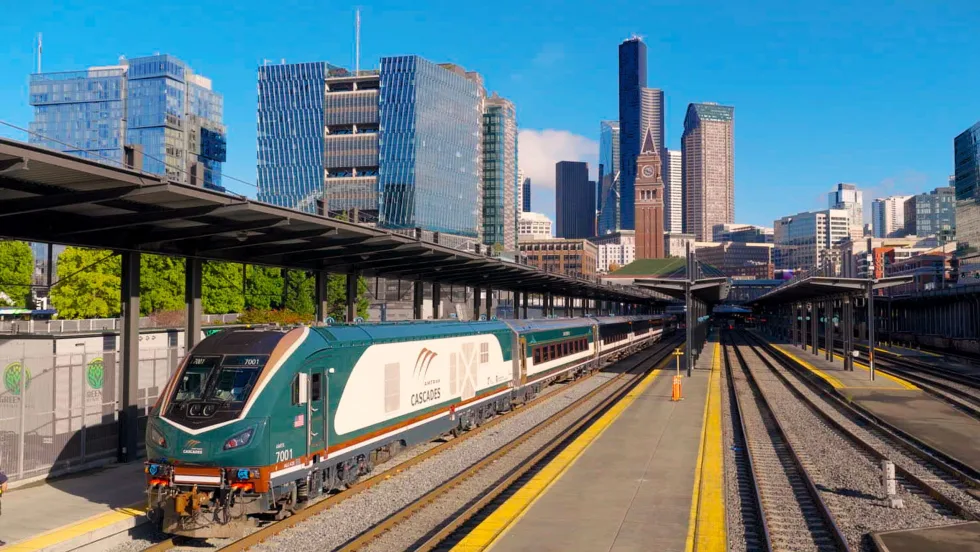
Airo Trains Make Their Amtrak Cascades Debut in the Pacific Northwest
Effective immediately, two cutting-edge Airo trainsets will join the Amtrak Cascades route, operating four daily trips between Vancouver, B.C., Seattle, Portland, and Eugene, Oregon, marking the first introduction of Airo trains into passenger service anywhere in the country.
Read More →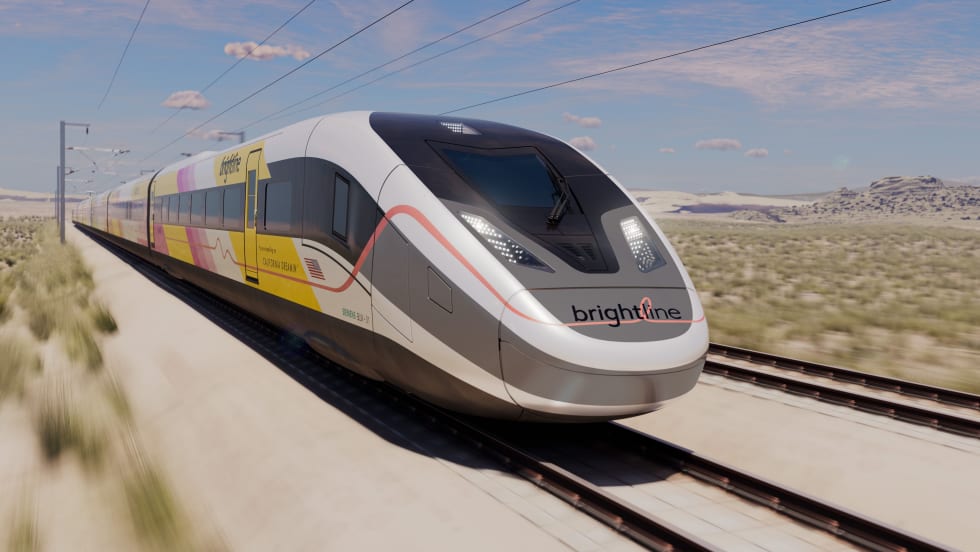
Florida's Brightline Announces Financial Restructuring
Brightline Florida says train operations will continue as normal as certain parent entities enter Chapter 11 and financial stakeholders provide $490 million in new long-term capital.
Read More →
ENC Lands MATA Contract and More in Biz Briefs
In this edition of Biz Briefs, we spotlight the latest developments shaping the future of mobility.
Read More →