



Chicago's Scorecard Shows Improved Rail Service
The enhanced scorecard shows continued progress in many areas including rail and bus service, and also reflects the need for more work in other areas.
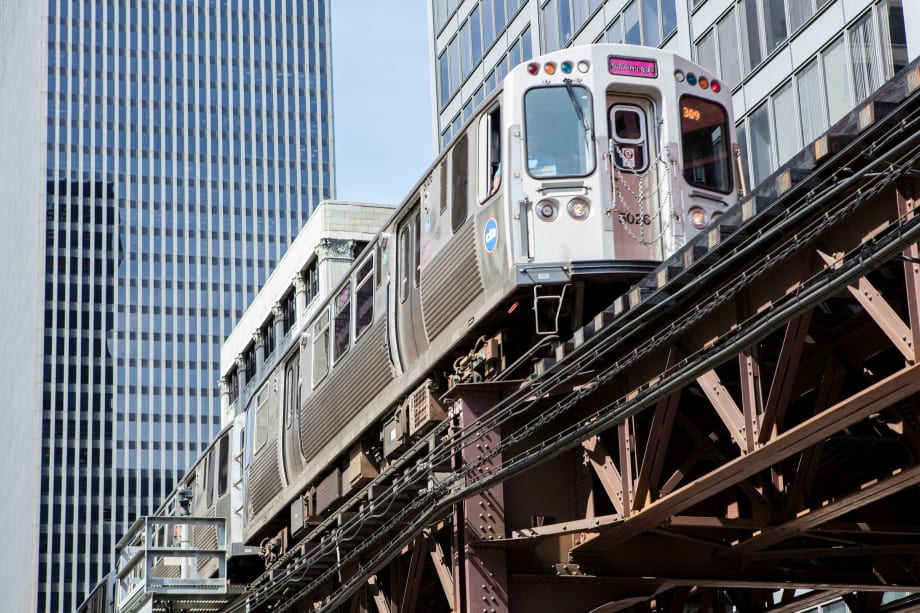
The scorecard will continue to evolve over time to reflect new initiatives introduced in the coming months.
DePaul University/Jeff Carrion
The Chicago Transit Authority (CTA) issued its latest monthly scorecard tracking the progress the agency is making on initiatives introduced in support of its “Meeting the Moment” Action Plan. The enhanced scorecard shows continued progress in many areas including rail and bus service, and also reflects the need for more work in other areas.
Detailed data included in this scorecard provides riders and the public with transparent analysis of rail service delivery and ridership statistics.
Unveiled in August, the “Meeting the Moment: Transforming CTA’s Post-Pandemic Future” Action Plan is a multifaceted investment plan to strengthen the rider experience — more consistent and reliable service, safe rides, clean facilities, modern amenities, dynamic customer engagement tools, and a strong CTA workforce.
Each monthly scorecard shows the latest milestones and achievements related to the Action Plan. The scorecard also measures progress on key performance metrics. Among the results on the November scorecard:
The percentage of service delivered on rail lines continues to increase:
In October, 77.2% rail service was delivered, an increase from 71.8% in August this year.
In comparison to pre-pandemic service delivery, weekday service since October 23 is at 82.5% (it was 95.4% pre-pandemic), Saturday service at 77.3% (83.9% pre-pandemic) and Sunday service at 77.6% (87.1% pre-pandemic).
The Brown, Orange, Green, and Pink Lines are all providing more than 90% of their weekday scheduled service, a significant improvement from previous schedule. Blue Line service continues to see challenges from workforce unavailability, slow zones on the Forest Park branch, and intermittent weekend construction impact.
Instances of customers experiencing long wait times for trains — gaps known as double and triple the scheduled headways—on weekdays has dropped system-wide:
Triple headways down 61%.
Double headways down 45%.
The scorecard also shows continuing gains in ridership, and how the recent pandemic highs are spread across the system, especially on the downtown commuter routes. Compared to 2019, many of the neighborhood bus routes continue to have some of the highest retention of ridership. Additionally, CTA has hired more than 390 bus operators so far this year and will continue to focus on addressing workforce challenges in the coming months.
The scorecard will continue to evolve over time to reflect new initiatives introduced in the coming months. For example, CTA plans to provide a bus route-level analysis of service delivery after the implementation of new bus schedules later this winter.
The plan is the latest effort by CTA to further improve communication and demonstrate the progress it is making to improve the customer experience and address the most pressing challenges brought on by the pandemic.
More Management

Brian Dickson on Building Stronger, More Resilient Transportation Organizations
Bus Business Consultants Founder Brian Dickson discusses the leadership principles, operational discipline, and strategic planning that separate transportation companies positioned for long-term success from those stuck in survival mode.
Read More →
LA Metro Breaks Ground on Vermont BRT Project
The 12.4-mile corridor is projected to serve 66,200 daily riders, reduce travel times by up to 24%, and create the nation's busiest bus rapid transit corridor.
Read More →
Building Stronger Leaders, More Resilient Transit Teams
Dr. Carol Parker Walsh discusses leadership development, employee retention, workplace culture, and preparing transit’s workforce for AI and automation.
Read More →
Roman Cornell on ABC Companies’ Evolution and the Future of Passenger Transportation
The company’s CEO discusses carrying forward a third-generation family legacy, ABC’s continued evolution in passenger transportation, support for increasingly complex fleets, and how technology and continued investment could help operators improve uptime.
Read More →
CATS Launches West Charlotte Microtransit Zone, Expands Transit Services
The new microtransit zone connects residents to key destinations as Charlotte Area Transit System rolls out the first phase of its 2055 Transit System Plan.
Read More →
VIA Bus Ridership Grows 10.1% Through August 2026
San Antonio's VIA Metropolitan Transit reported the highest bus ridership growth among major Texas transit systems. Federal Transit Administration data ranked it second among the nation's 50 largest transit systems.
Read More →
CSA Group Releases Climate Resilience Standard for Transit, Passenger Rail
Developed with support from the Standards Council of Canada, CSA D700 guides assessing climate-related risks and planning adaptation measures for transit and passenger rail systems.
Read More →
ETA CEO John Maglio on Transit Technology, Innovation, and Building Agency Trust
ETA founder and CEO John Maglio explores the evolution of transit technology, the importance of reliable systems, and how stronger partnerships can help agencies improve operations and the passenger experience.
Read More →
COTA Launches First Customer Experience Action Plan to Improve Transit Service
The new plan outlines improvements to service reliability, accessibility, communication, and the overall rider experience across Central Ohio's transit system.
Read More →
LA Metro September Ridership Climbs 3.9%, Led by Rail Growth
The agency recorded more than 27.2 million boardings, with rail ridership increasing 12.4% year over year and the D Line posting the largest gains.
Read More →