



CHK America’s solar-powered digital display elevates bus stop info
The digital bus stops can be used to display next-departure information for rail and bus services, bikeshare info, a local map and feature real-time alerts.


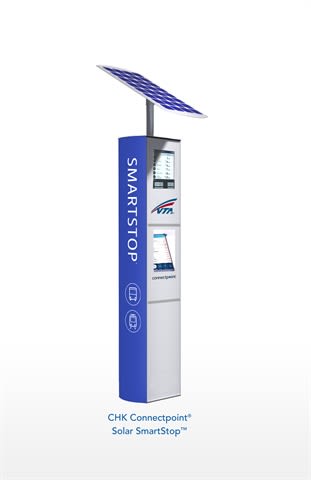
CHK America officially launched its latest product under its new ConnectPoint Digital Division, the Connectpoint SmartStop — a solar-powered, standalone pylon that provides interactivity to the customer. With its two 13-inch digital bus stop displays at the top and a 10-inch interactive tablet at waist level, the ConnectPoint SmartStop provides a host of digital functionality and unprecedented flexibility to transit agencies wishing to provide the most current information to their customers. The digital bus stops can be used to display next-departure information for rail and bus services, bikeshare information, a local map, and also feature real-time alerts. The 10-inch tablet will provide a fully interactive user interface, which will provide bus and rail route and stop details, trip planning and other interactive applications.
The screens can also display any additional information an agency may need, such as Uber and Lyft details, or advertisements with map locations plotted.
The SmartStop is part of Santa Clara (Calif.) Valley Transportation Authority’s (VTA) innovation program to enhance the transit customer travel experience. A solar-powered solution was critical to VTA’s needs providing flexibility to locate the stops where power was not easily obtainable. VTA will be the first transit agency to install the SmartStops, to be positioned at two VTA bus stops serving six major routes in East San Jose.
“CHK America has invested a significant amount of capital and human resources into developing its new suite of digital products, marketed under the ConnectPoint Digital banner, that will appeal to today’s tech-savvy riders, providing a higher level of customized information to meet their ‘on-the-go’ planning needs,” said Rick Woods, CHK America president. Additional ConnectPoint products include Digital Bus Stops that are solar- or battery-powered and can easily be mounted directly to poles; the Dashboard, which displays current transportation options using existing infrastructure and can be deployed on any screen with a variety transportation feeds available to agencies; and the Interactive Kiosk.
More Management

Bringing Austin’s First Light Rail System to Life
Austin Transit Partnership CEO Greg Canally discusses the city's nearly 10-mile light rail project, its collaborative approach to project delivery, the importance of community engagement, and the milestones ahead as construction approaches in 2027.
Read More →
ETA CEO John Maglio on Transit Technology, Innovation, and Building Agency Trust
ETA founder and CEO John Maglio explores the evolution of transit technology, the importance of reliable systems, and how stronger partnerships can help agencies improve operations and the passenger experience.
Read More →
Metra Draft Plan Outlines Costs, Service Improvements for Regional Rail
The Systemwide Network Plan identifies infrastructure needs and potential investments to expand all-day, bidirectional rail service across the Chicago region.
Read More →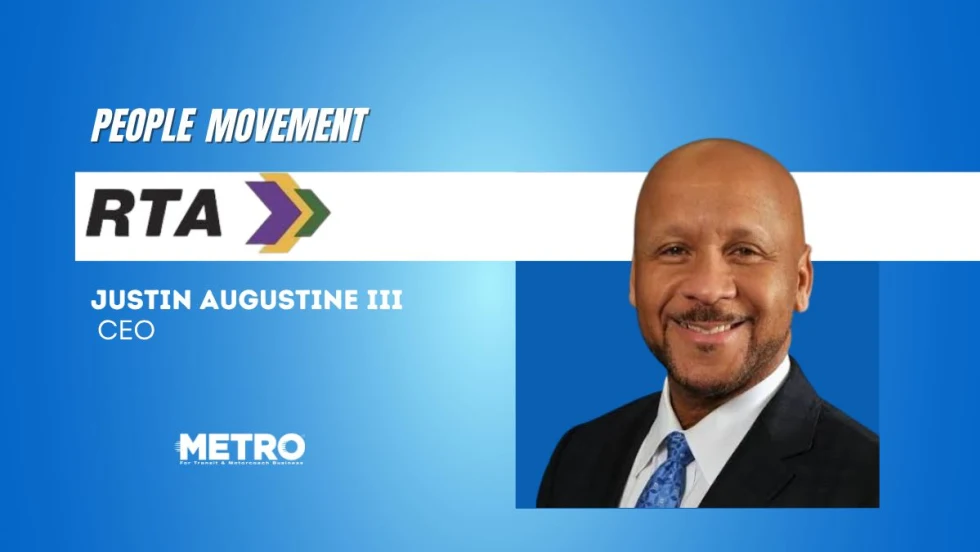
New Orleans RTA Names Augustine III as New CEO
In this edition, we also spotlight recent personnel moves at HDR, PATH, STV, and more, highlighting the people taking on new roles across the transportation industry.
Read More →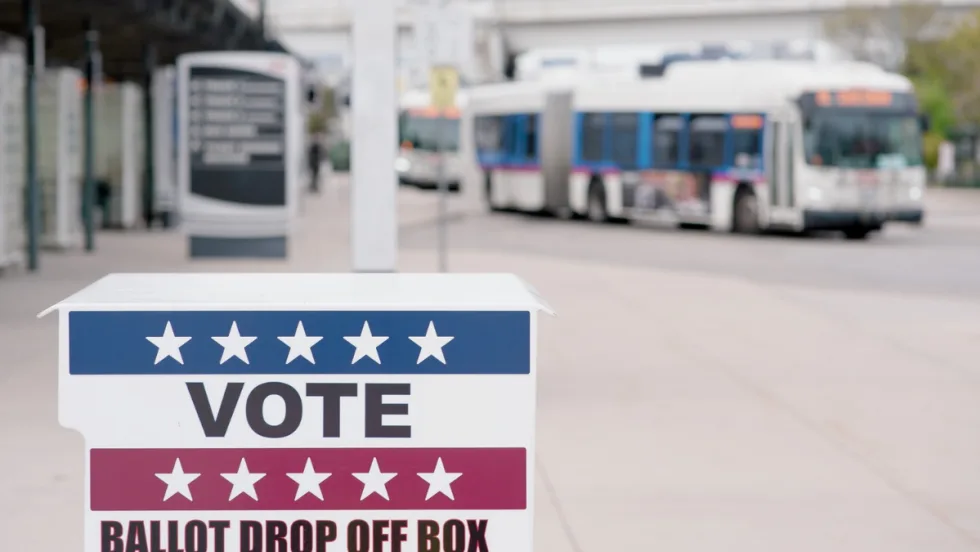
How Transit Agencies Are Using Free Rides to Improve Voting Access
Transit agencies are using fare-free service, trip-planning tools, and targeted rides to improve voting access. See what other agencies can learn from these efforts.
Read More →
Caltrain’s Electrification Drives a New Era of Ridership Growth
The railroad’s shift to electric service has brought more frequent trains, stronger customer satisfaction, and increased ridership, earning it APTA’s Outstanding Public Transportation System award.
Read More →
Chicago, Charlotte Transit Agencies Expand Rider Support Programs
CTA launched crisis intervention teams as CATS prepares to deploy fare ambassadors, expanding customer assistance and security efforts across both systems.
Read More →
New York MTA Launches Historic $1.9B Signal, Track Modernization Project
Funded in part by congestion pricing revenue, the project will replace nearly century-old signals along the A and C lines in Brooklyn and Queens.
Read More →
Brian Dickson on Building Stronger, More Resilient Transportation Organizations
Bus Business Consultants Founder Brian Dickson discusses the leadership principles, operational discipline, and strategic planning that separate transportation companies positioned for long-term success from those stuck in survival mode.
Read More →
LA Metro Breaks Ground on Vermont BRT Project
The 12.4-mile corridor is projected to serve 66,200 daily riders, reduce travel times by up to 24%, and create the nation's busiest bus rapid transit corridor.
Read More →