



Civil Engineers Release Visualization Tool for Engineers to Imagine a Mega City in 2070
The desktop platform explores the built environment of 2070 through an interactive 3D model that visualizes a potential scenario for a future mega city.
Mega City 2070 models a city that can accommodate a population of 50 million people.
Photo: ASCE
The American Society of Civil Engineers (ASCE) revealed Mega City 2070, a learning tool to help engineers, planners, and allied professions.
The desktop platform explores the built environment of 2070 through an interactive 3D model that visualizes a potential scenario for a future mega city as it evolves from 2020 to 2070.
“The world in which we live is becoming more complex and changing at an accelerating pace,” said Dennis D. Truax, Ph.D., P.E., F.ASCE, ASCE president. “Understanding the drivers of change is more critical than ever. Our future will require a new way of doing things. Mega City 2070 helps connect the dots and ensures all systems are integrated in the future.”
Mega City 2070 models a city that can accommodate a population of 50 million people while preserving its historic character, promoting sustainability, and supporting various lifestyles and economies. The platform takes a look into the issues facing a mega city in 2070 and looks at the steps that need to be taken to adapt along the way in areas such as: construction and materials; energy and utilities; architecture; transportation; and water, waste, and the environment.
ASCE unveiled Future World Vision: Infrastructure Reimagined in May 2019, and Mega City 2070 is the latest initiative of that project.
Future World Vision addresses six important sociopolitical, economic, environmental, and technological macrotrends as key drivers of change for civil engineers and the built environment including alternative energy, autonomous vehicles, climate change, smart cities, high tech-construction/smart materials, and policy and funding.
“Grounded in deep research, Future World Vision puts civil engineers in a position to lead not just today, but five decades into the future,” said Gerald (Jerry) Buckwalter, M.ASCE, chief innovation officer, ASCE. “The initiative resulted from a multi-year collaboration between ASCE, global future analysts, subject matter experts, visionary experience designers and leading application developers.”
ASCE will launch Mega City 2070 during National Engineers Week, Feb. 20-26.
More Technology
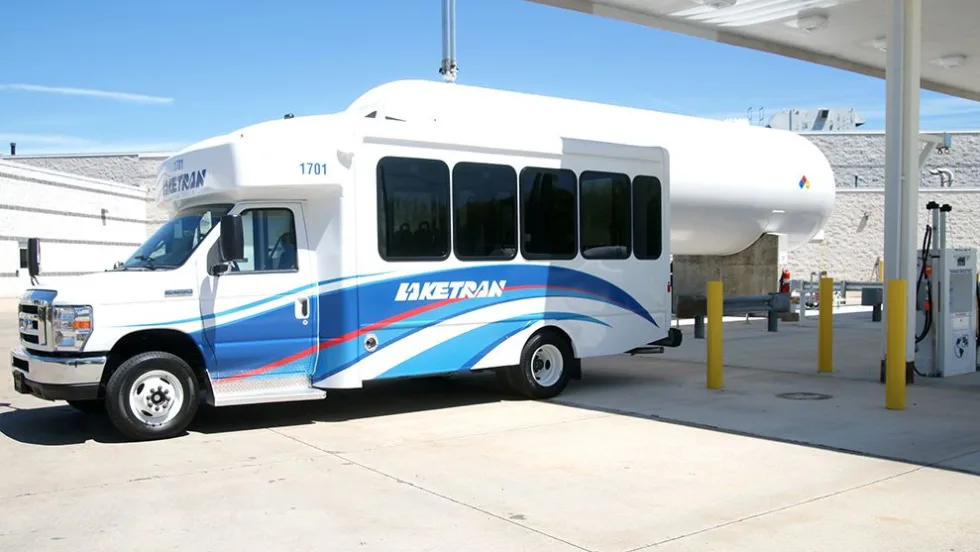
Laketran Cuts Fuel Costs, Boosts Efficiency with Propane-Powered Fleet
The Ohio transit agency is using propane-powered vehicles and on-site fueling infrastructure to cut fuel and maintenance costs while meeting growing demand for paratransit services.
Read More →
Right-Sizing Rural Transit: Lessons from North Grenville’s On-Demand Model
A small municipality shows how flexible service, rider needs, and public accountability can expand mobility with limited resources.
Read More →
Transit Expands Agency Partnerships, Reaching 200 Official App Partners
COO Jake Sion discusses Transit’s growth, the success of its Transit Royale program, and how technology is helping agencies improve the rider experience.
Read More →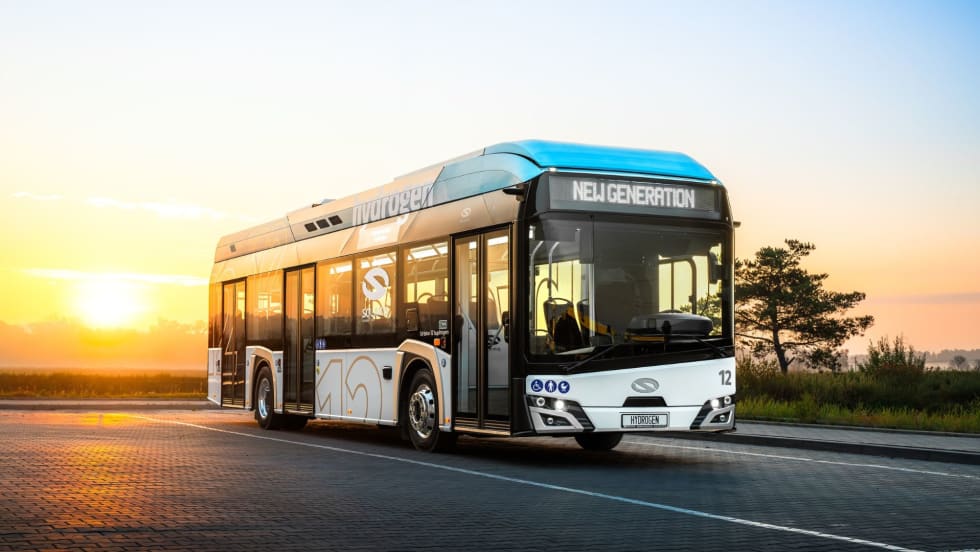
Biz Briefs: Ballard, Solaris Partner, New Flyer Receives Florida Order, and More
In METRO's latest installment, we also take a look at recent news from New Flyer, STV, Spare, and more partnerships making headlines across the transportation sector.
Read More →
Hampton Jitney Microgrid Offers a Roadmap for Fleet Electrification
Sprocket Power’s on-site energy system is designed to manage charging costs, reduce pressure on the electric grid, and prepare the Long Island transportation provider for expanded electric fleet operations.
Read More →
ETA CEO John Maglio on Transit Technology, Innovation, and Building Agency Trust
ETA founder and CEO John Maglio explores the evolution of transit technology, the importance of reliable systems, and how stronger partnerships can help agencies improve operations and the passenger experience.
Read More →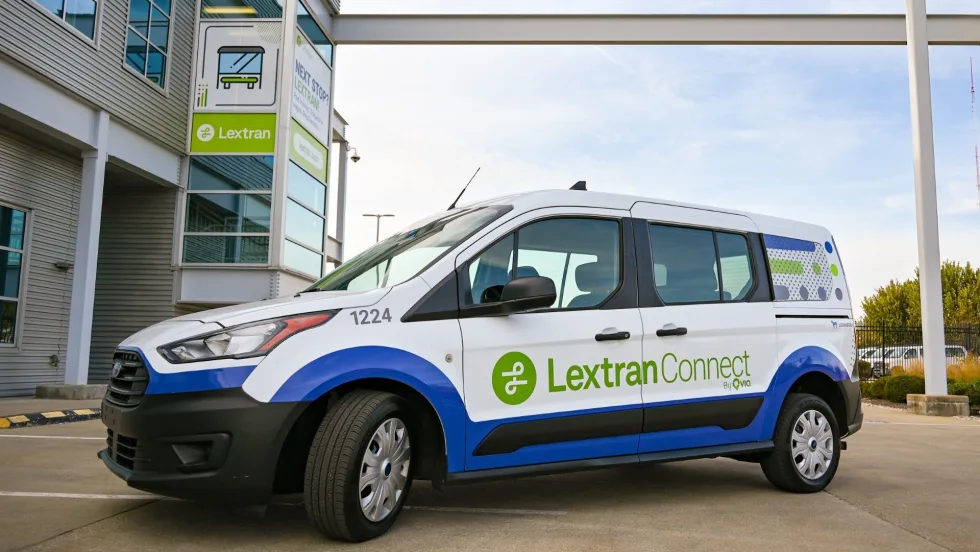
Lextran, Via Team for On Demand, HDR to Work on Twin Cities BRT, and More
In METRO's latest installment, we also take a look at recent news from Keolis, Complete Coach Works, Anchor Transportation, and more partnerships making headlines across the transportation sector.
Read More →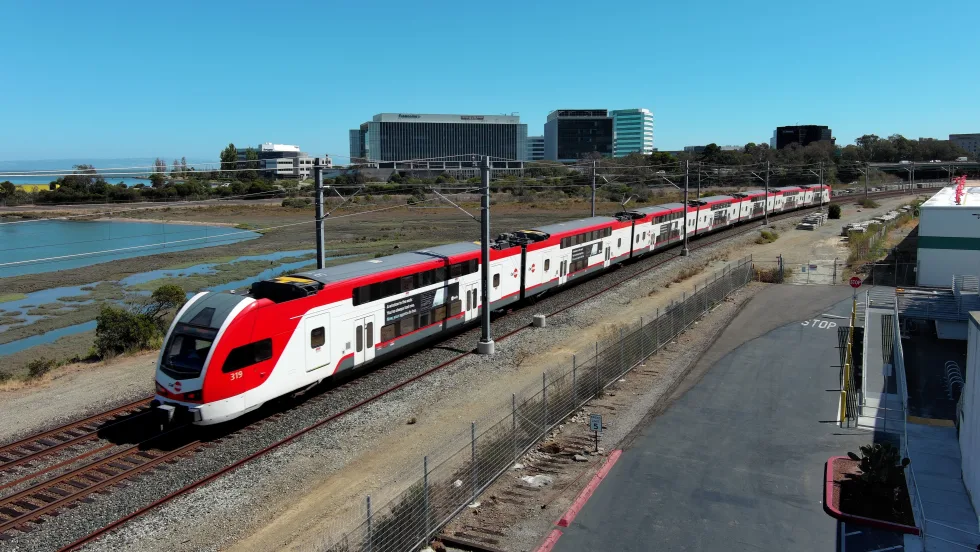
Caltrain’s Electrification Drives a New Era of Ridership Growth
The railroad’s shift to electric service has brought more frequent trains, stronger customer satisfaction, and increased ridership, earning it APTA’s Outstanding Public Transportation System award.
Read More →
Video Surveillance in Public Transit: What Riders Really Think
As video surveillance gains public acceptance, new research from Axis Communications reveals what transit riders expect from agencies when it comes to safety, privacy, and AI.
Read More →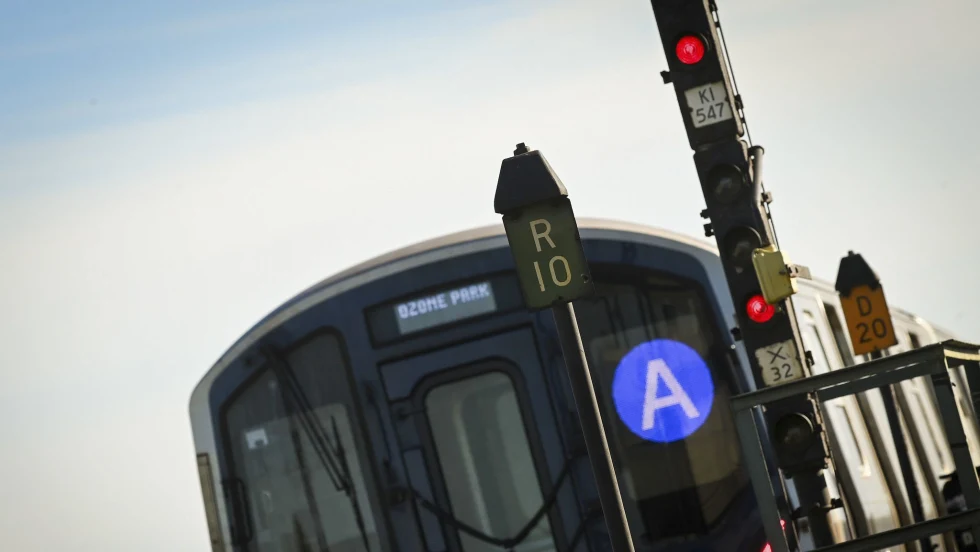
New York MTA Launches Historic $1.9B Signal, Track Modernization Project
Funded in part by congestion pricing revenue, the project will replace nearly century-old signals along the A and C lines in Brooklyn and Queens.
Read More →