




RELATED: Next Chicago mayor should tap a mobility chief: Report
Colorado DOT establishes new office of 'Innovative Mobility'
Sophie Shulman was chosen to lead this new office, as Chief of Innovative Mobility.
April 4, 2019
2 min to read

The Colorado Department of Transportation (CDOT) established a new Office of Innovative Mobility. The office will elevate the role of the existing Division of Transit and Rail, integrating its functions with other means of expanding mobility options, including through ridesharing, electrification, and emerging technologies.
The new office, which reports directly to the executive director, will also serve as the lead within CDOT for the Governor's transportation electrification workgroup, which CDOT co-chairs.
Sophie Shulman was chosen to lead this new office, as chief of innovative mobility. Shulman most recently led partnerships and business development at Electrify America, an electric vehicle charging company, and has extensive experience in innovative transportation technologies, including at the U.S. Department of Transportation, where she served as the acting assistant secretary for research and technology.
During her time at U.S. DOT, Shulman worked extensively on the $40 million Smart City Challenge grant, which included engagement with many Denver and Colorado stakeholders. Shulman also served at the White House, including as deputy chief of staff at the Domestic Policy Council, and at the U.S. Department of Energy.
CDOT has approximately 3,000 employees throughout Colorado, and manages more than 23,000 lane miles of highway and 3,429 bridges. CDOT also manages grant partnerships with a range of other agencies, including metropolitan planning organizations, local governments, and airports, and administers Bustang, the state-owned and operated interregional express service.
More New Mobility

Biz Briefs: Luminator Marks Milestone and More
From manufacturers and suppliers to transit agencies and motorcoach operators, these updates offer a snapshot of the projects, partnerships and business moves driving the industry forward.
Read More →
New Tricks for Old Bureaucracies: Joshua Schank on Making Transit Innovation Stick
Former LA Metro Chief Innovation Officer Joshua Schank discusses why good ideas aren't enough, how transit agencies can overcome resistance to change, and why today's challenges demand more innovation.
Read More →
How DART's GoPass Is Redefining Regional Mobility
Serving 14 transit agencies, GoPass simplifies multimodal travel by allowing riders to plan, pay for, and manage an entire trip through one app.
Read More →
Biz Briefs: OCTA Taps Clean Energy for Hydrogen Station, Stadler to Supply Via Rail Vehicles, and More
From manufacturers and suppliers to transit agencies and motorcoach operators, these updates offer a snapshot of the projects, partnerships and business moves driving the industry forward.
Read More →
CharterUP Expands Into New Mobility and Autonomous Transportation
Vice President of New Mobility Stephen Joos discusses how CharterUP is leveraging its nationwide transportation network, technology platform, and autonomous vehicle partnerships to expand into workforce mobility, campus shuttles, and transit solutions.
Read More →
METRO Magazine Announces 2026 Innovative Solutions Awards Winners
Projects Recognized for Advancing Mobility Through Technology, Accessibility, Workforce Innovation, and Operational Excellence
Read More →
Biz Briefs: STV teams with Amtrak, Motorcoach Operators Boost Fleet and Land Contracts, and More
From manufacturers and suppliers to transit agencies and motorcoach operators, these updates offer a snapshot of the projects, partnerships and business moves driving the industry forward.
Read More →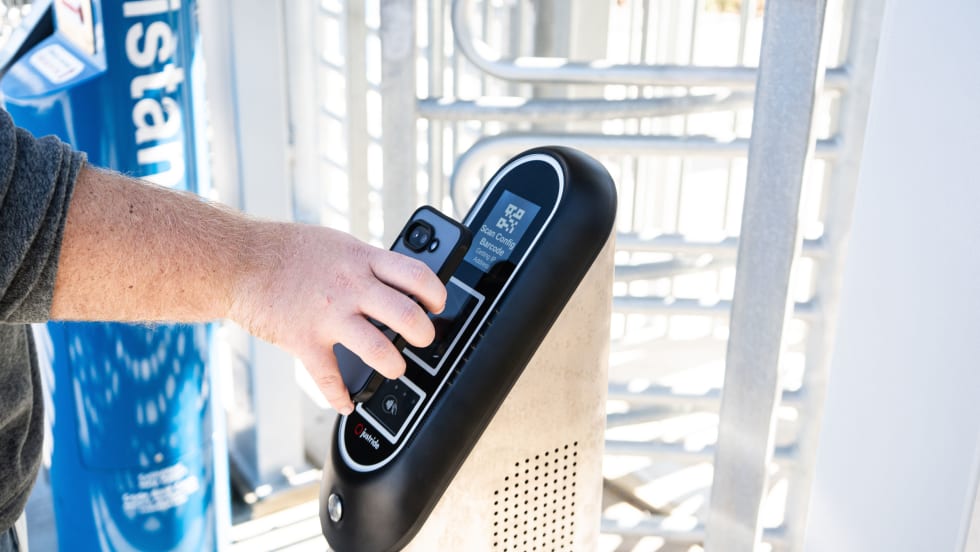
Biz Briefs: Masabi Teams with St. Louis Metro and More
In METRO's latest installment, we take a look at recent news from Transdev, Hitachi, and more partnerships making headlines across the transportation sector.
Read More →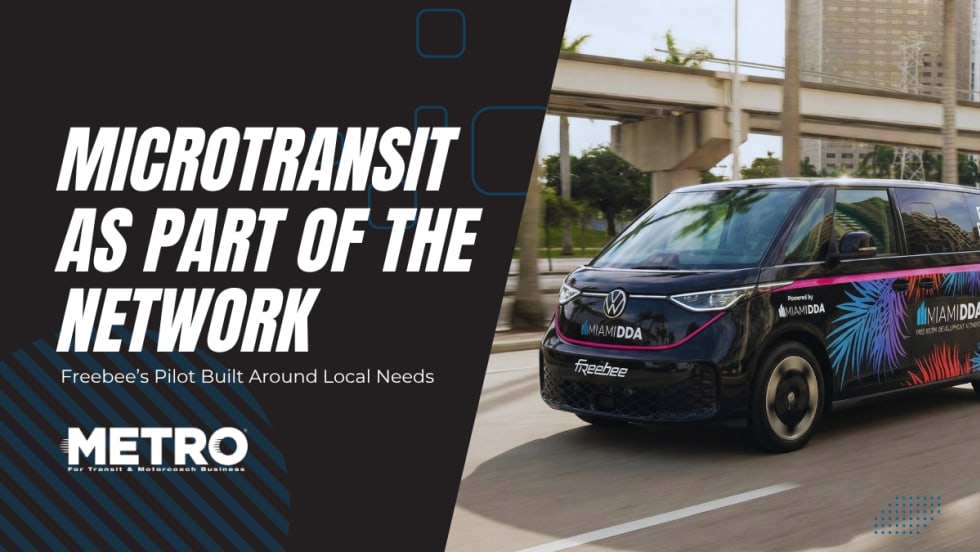
Microtransit's Next Test: Becoming Part of the Network
Freebee shows how electric microtransit is moving beyond pilots to fill network gaps, connect riders to transit, and prove lasting value.
Read More →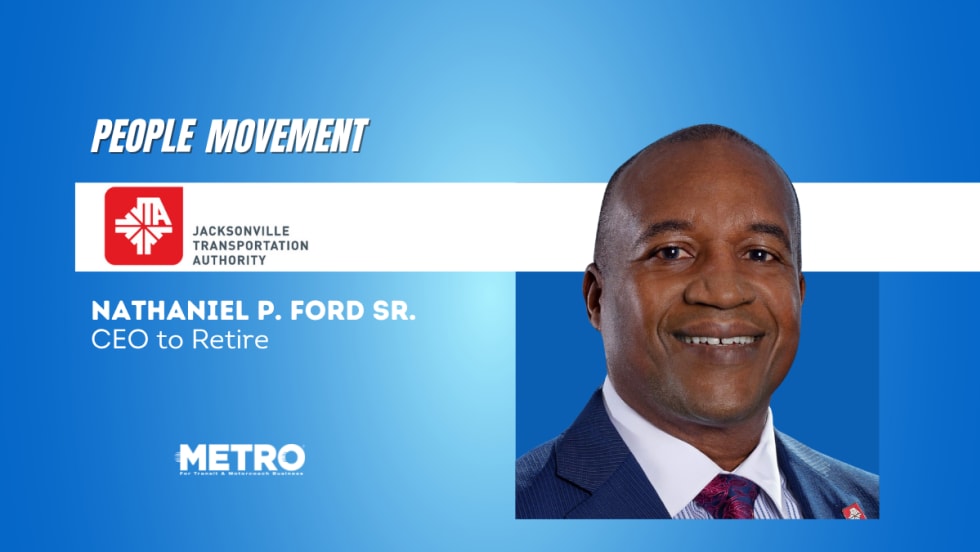
Ford to Leave JTA After More Than 10 Years as CEO
He plans to continue his work advancing innovative mobility solutions to improve the quality of life in communities across the nation. He did not announce specific plans.
Read More →