




RELATED: How to Involve Seniors, People with Disabilities to Make Your Transit System More Accessible
Community Transit awards surplus vans to nonprofits
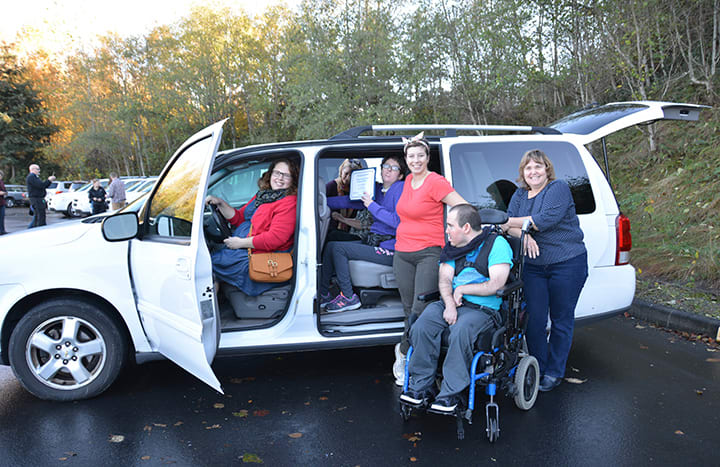
Twelve non-profit groups from Snohomish Country, Wash. will be able to provide more than 26,000 trips to foster children, the homeless, disabled veterans and low-income residents due to the agency's Van GO program.
November 4, 2016
Community Transit
1 min to read
Community Transit
Twelve non-profit groups from Snohomish Country, Wash. will be able to provide more than 26,000 trips to foster children, the homeless, disabled veterans and low-income residents due to the Community Transit’s Van GO program.
The Van GO program offers retired vans to non-profits that submit applications detailing how they plan to use the vehicles to benefit the community. This year, 12 of 19 applications were selected to receive vehicles. Recipients included Catholic Community Services of Lynwood, Girl Scout Daisy Troup of Mountlake Terrace, Goodwill Industries of Everett, Dunbar of Young Life Capernaum Snohomish County.
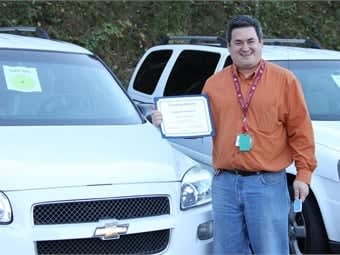
Goodwill Everett Outlet General Manager Alex Smith said he will use the vans to assist Goodwill employees get to and from work.
“This van will reduce stress to our employees, get them to work on time, and not have to worry about parking,” Smith said.
Community Transit
Recipient Dunbar of Young Life will work with teens who don’t drive and provide them a chance to go on adventures with friends, according to Aimee Dunbar.
Other missions include trips for previously homeless and disabled veterans to social and medical services, access to early education services for children, and rides for at-risk youth to a program which offers tutoring and life skills assistance.
More Paratransit

Biz Briefs: RIPTA Unveils New Frontrunners, Clevland RTA Adds New Siemens, and More
In METRO's latest installment, we take a look at recent news from Siemens, Prevost, Dodge, and more partnerships making headlines across the transportation sector.
Read More →
King County Metro Makes ADA Paratransit Easier to Navigate
METRO's Innovative Solutions Award winner replaces complex service-area descriptions with an accessible, interactive map that puts paratransit information directly in customers’ hands.
Read More →
Jacksonville’s NAVI Project Charts a New Course for Autonomous Public Transportation
Through its NAVI program, JTA is showing how autonomous vehicles, intelligent infrastructure, and coordinated operations can work together to deliver everyday public transportation.
Read More →
Driving Smarter Paratransit
John Hanlon shares how AlphaRoute is leveraging AI-powered technology to help paratransit providers optimize operations, support frontline staff, and enhance the rider experience.
Read More →
METRO Magazine Announces 2026 Innovative Solutions Awards Winners
Projects Recognized for Advancing Mobility Through Technology, Accessibility, Workforce Innovation, and Operational Excellence
Read More →
Biz Briefs: STV teams with Amtrak, Motorcoach Operators Boost Fleet and Land Contracts, and More
From manufacturers and suppliers to transit agencies and motorcoach operators, these updates offer a snapshot of the projects, partnerships and business moves driving the industry forward.
Read More →
Biz Briefs: Masabi Teams with St. Louis Metro and More
In METRO's latest installment, we take a look at recent news from Transdev, Hitachi, and more partnerships making headlines across the transportation sector.
Read More →
New York MTA Leverages Zoning Program to Advance Station Accessibility
Accessibility enhancements at Nevins St Station will be financed through a development agreement tied to the MTA's Zoning for Accessibility initiative.
Read More →
Reinventing Fleet Maintenance with Real-time Visibility and AI
Transit leaders need to know what needs fixing, where to look, who is responsible, when work is completed, and what it costs without having to chase information across disconnected systems.
Read More →
SamTrans Sets Priorities for Potential Connect Bay Area Revenue
The board-approved framework allocates future funding to maintaining service, rider improvements, equity initiatives, and infrastructure repairs.
Read More →