



Consumer travel poised for comeback this summer
According to the American Express Leisure Travel Index, bus and train travel will each account for 3% of travel in 2002.

Leisure travel may make a comeback this summer, according to the 2002 American Express Leisure Travel Index. The average number of vacations planned in 2002 is 1.7, up from 1.5 in 2001. Fifty-four percent of survey respondents say they plan to travel at least as much this year as last year, and another 25% expect to travel more. Only 19% say they will travel less. A total of 62% of respondents say they will take a leisure trip this year, up from 55% in 2001. About 60% say the events of Sept. 11 will have little or no effect on their vacation planning this year. Besides taking more vacation, Americans are again interested in short, weekend getaways. Sixty-three percent of respondents say they are planning a weekend getaway this year, with the average number of weekend trips at four. July will be the most popular month for leisure travel (41% will travel during that month), with August following at 29%. Most Americans (61%) will travel by car this year and 44% will fly. Bus and train travel will each account for 3% of travel. Twelve percent of respondents will travel internationally and 51% say they will travel only domestically. Popular destinations include the beach (36%), outdoor adventures or sports-related trips (26%), theme parks (20%), cultural or historical sites (19%) and casinos (16%). The Internet continues to be the preferred tool for planning and booking leisure travel. For the first time, the Internet is beating out direct calls to airlines, hotels and car rental agencies. A mere 6% used tour operators to book travel arrangements.
More Management
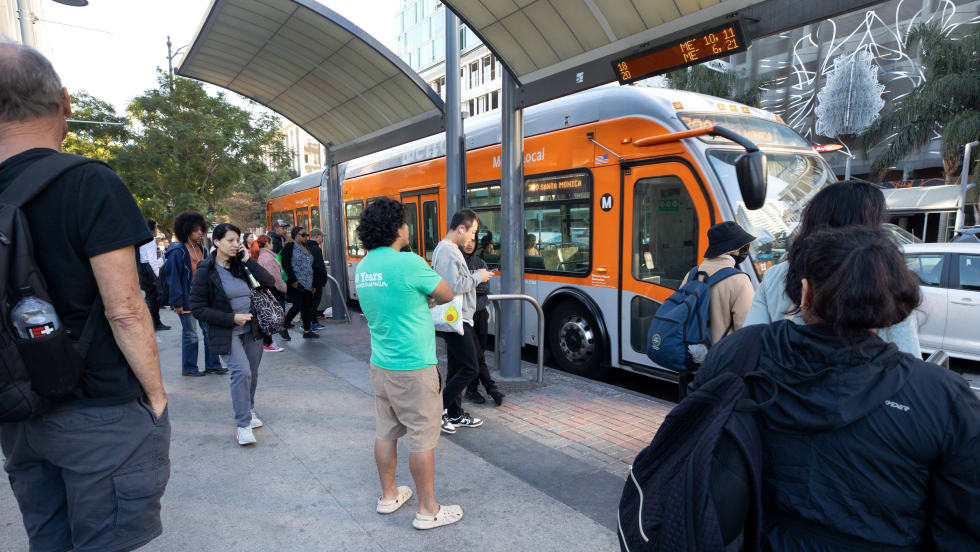
LA Metro Ridership Continues Growth as Rail Gains Accelerate
New rail connections and major events help drive continued ridership gains, with Metro recording its eighth consecutive month of year-over-year rail growth.
Read More →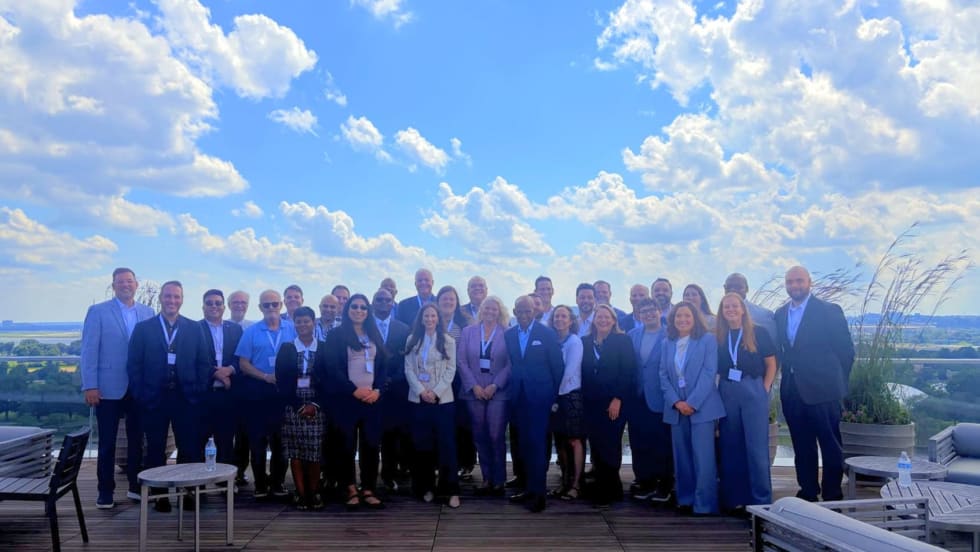
TransDASH Summit Focuses on Measuring What Matters in Transit
Transit agencies unveil a national performance platform designed to benchmark customer experience, safety, community value, and other outcomes.
Read More →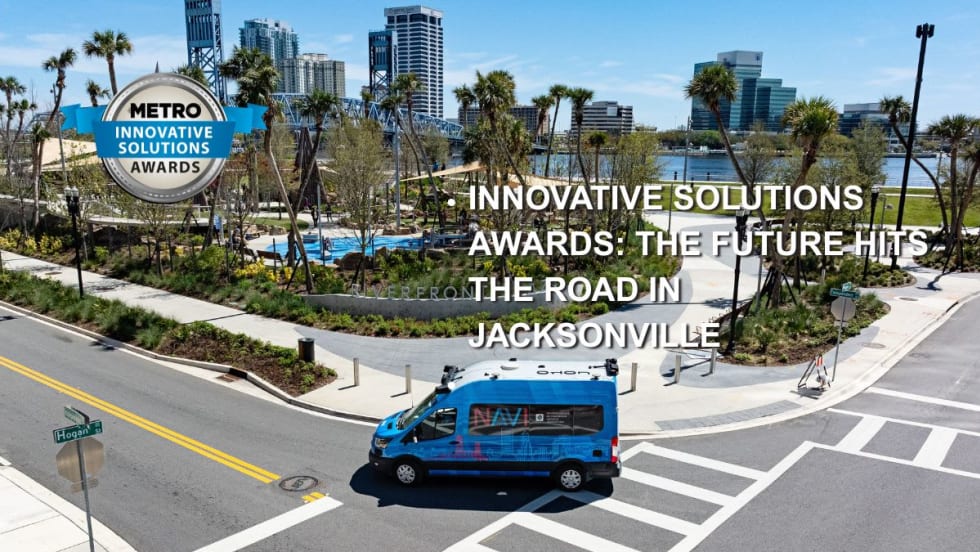
Jacksonville’s NAVI Project Charts a New Course for Autonomous Public Transportation
Through its NAVI program, JTA is showing how autonomous vehicles, intelligent infrastructure, and coordinated operations can work together to deliver everyday public transportation.
Read More →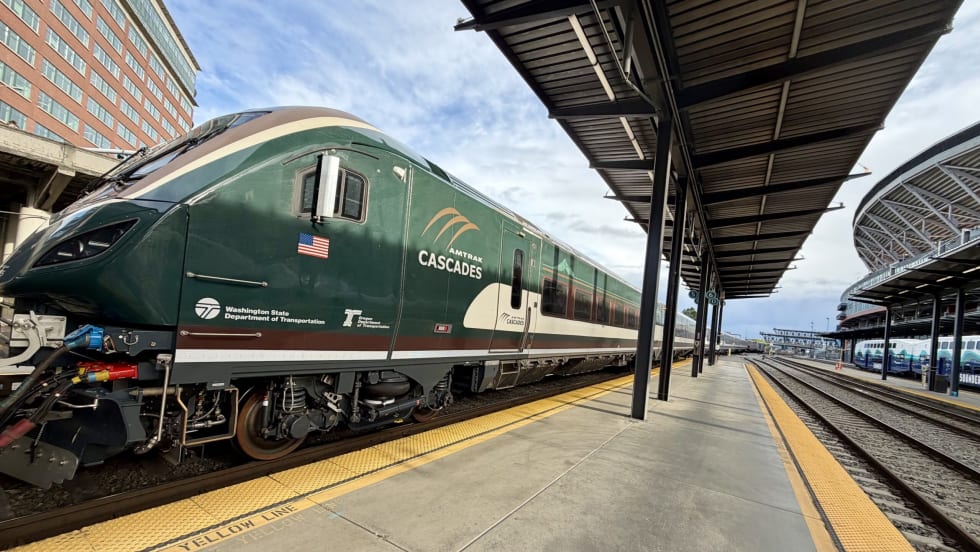
FRA Announces $5.3B in Rail Investments, Including $2B for Amtrak
Funding will support grade-crossing improvements, infrastructure upgrades, and new Amtrak equipment in 23 states.
Read More →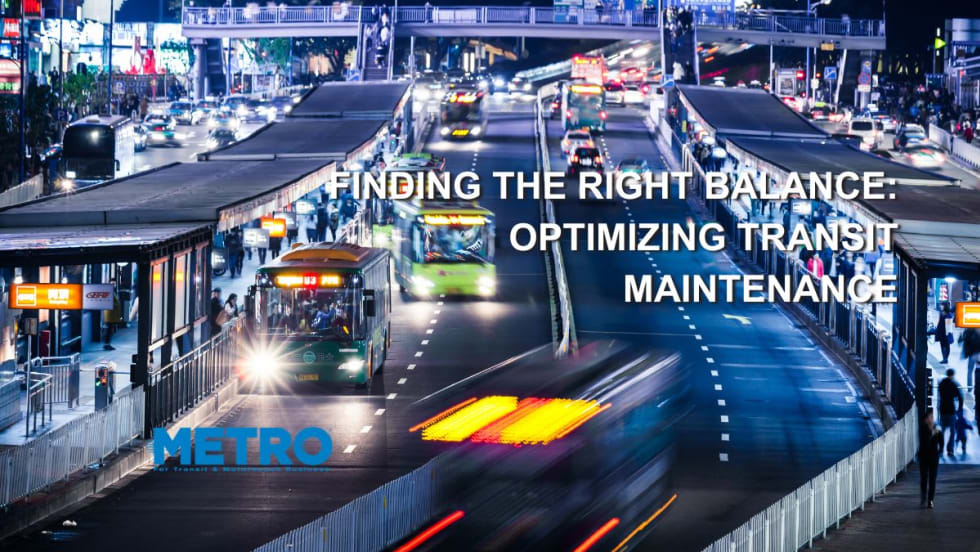
Finding the ‘Happy Medium’: Optimizing Maintenance Without Sacrificing Reliability
The key to maintenance optimization isn’t doing less work—it’s doing the right work at the right time on the right assets.
Read More →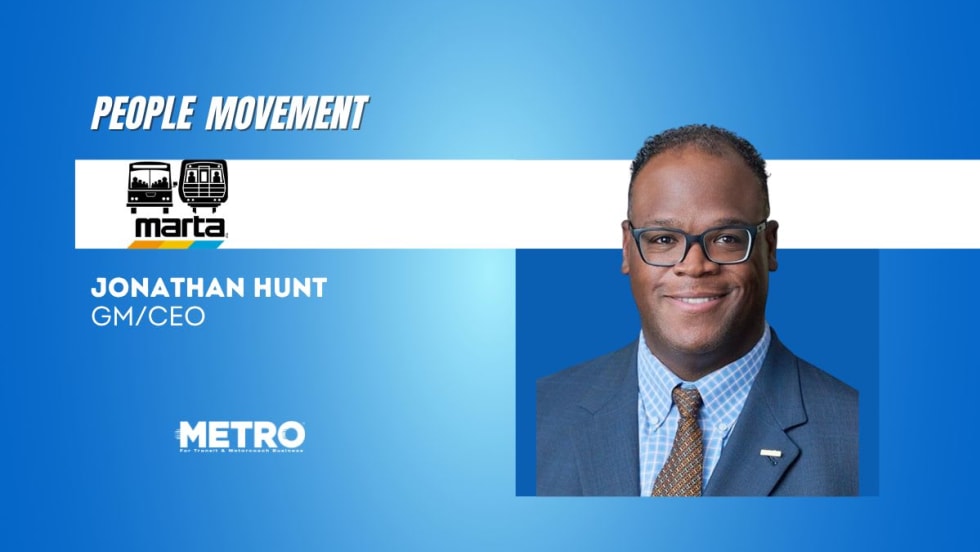
People Movement: MARTA Drops Interim Tag on GM/CEO Hunt and More
In this edition, METRO covers recent appointments and announcements at the FMCSA, HDR, SilverRide, and more, showcasing the individuals helping to shape the future of transportation.
Read More →
VIA Metropolitan Transit Reports 2 Million More Passenger Trips as Better Bus Plan Gains Momentum
San Antonio's transit agency said accelerated service improvements are driving ridership growth, offering another example of how increased frequency and workforce investments can translate into stronger transit performance.
Read More →
ABAF Study Reveals Growing Insurance Crisis for Motorcoach Operators
Preliminary findings show 98% of operators faced premium increases over the past five years, while shrinking insurer participation is putting added pressure on businesses and customers.
Read More →
PSTA Modernizes Workforce Management with Digital Bidding System
The award-winning Workforce Transit Modernization project replaced paper bidding with a transparent digital platform, cutting administrative effort while improving access for operators.
Read More →
Chicago to Host Public Transportation's Biggest Gathering at APTA TRANSform & EXPO 2026
North America’s largest public transportation gathering returns to Chicago, connecting transit decision-makers with the technologies, ideas, and partnerships driving the industry forward.
Read More →