




Keep Reading: How Transit Architecture Is Reshaping the Rider Journey
COTA Launches First Customer Experience Action Plan to Improve Transit Service
The new plan outlines improvements to service reliability, accessibility, communication, and the overall rider experience across Central Ohio's transit system.
October 16, 2026
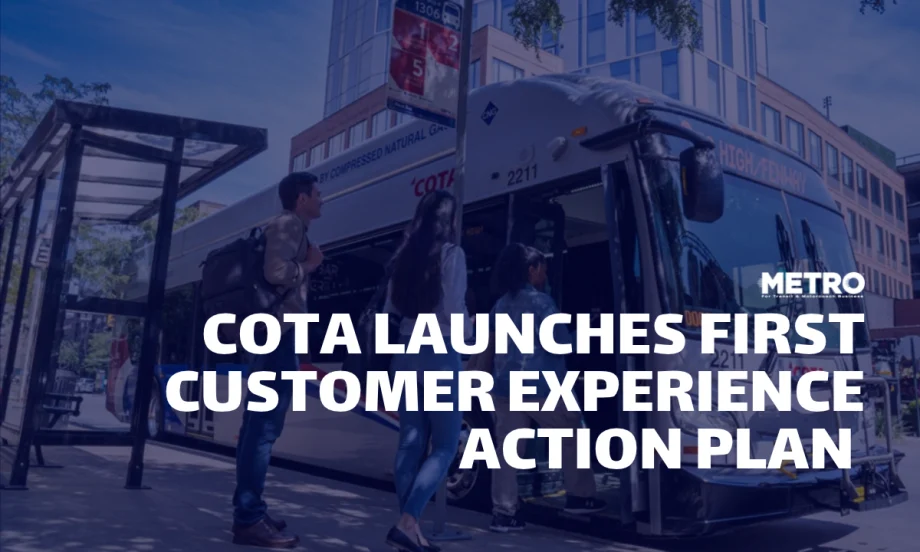
The Central Ohio Transit Authority recognized that recent service reliability challenges have disrupted customers’ daily lives and underscored the need for better planning and communication.
Credit:
COTA/METRO
2 min to read
The Central Ohio Transit Authority (COTA) recently launched its first Customer Experience Action Plan, a commitment to delivering the service customers need and expect. With the launch, according to COTA, the agency is one of only eight transit agencies nationwide with a dedicated customer experience plan.
The plan provides a roadmap for improving the entire customer journey, from planning a trip and paying fare to boarding a vehicle and reaching a destination. It brings customer priorities into focus as COTA works to “make transit more reliable, accessible, welcoming, and convenient across Central Ohio.”
“Our customers count on COTA to get to work, attend school, make medical appointments, and stay connected to their communities,” said COTA President and CEO Monica Téllez-Fowler. “They deserve service that meets their needs and respects their time. Our first Customer Experience Action Plan is our commitment to listening and turning that feedback into action. Our customers helped shape this plan, and their experiences will help guide how we improve service today and build our transit system for the future.”
The plan was developed, in part, through feedback from hundreds of customers, combined with community input, employee insights, and performance data. That process identified priorities including dependable service, clear communication, safety, accessibility, cleanliness, and better connections.
The plan outlines improvements across fixed-route bus service, COTA Mainstream paratransit, and COTA/Plus on-demand service. Its focus areas include:
- Strengthening service reliability and on-time performance
- Improving transit stops, transit centers, and vehicle conditions
- Providing clearer, more timely service information
- Making trip planning and fare payment easier
- Modernizing accessibility and booking tools
- Expanding access to service
According to the agency, the plan also supports employees through training, communication, safety, and professional development initiatives that help them serve customers.
COTA recognized that recent service reliability challenges have disrupted customers’ daily lives and underscored the need for better planning and communication.
The Customer Experience Action Plan aims to help guide efforts to identify service risks earlier, strengthen coordination across teams, and use customer feedback and performance data to reduce the likelihood and impact of future disruptions. It also “prioritizes clearer, more timely information when service issues occur, helping customers understand changes and make informed travel decisions.”
As COTA expands, the plan reinforces that success depends on both the service available and the experience people have using it.
Read the full Customer Experience Action Plan at COTA.com/experience.
More Management
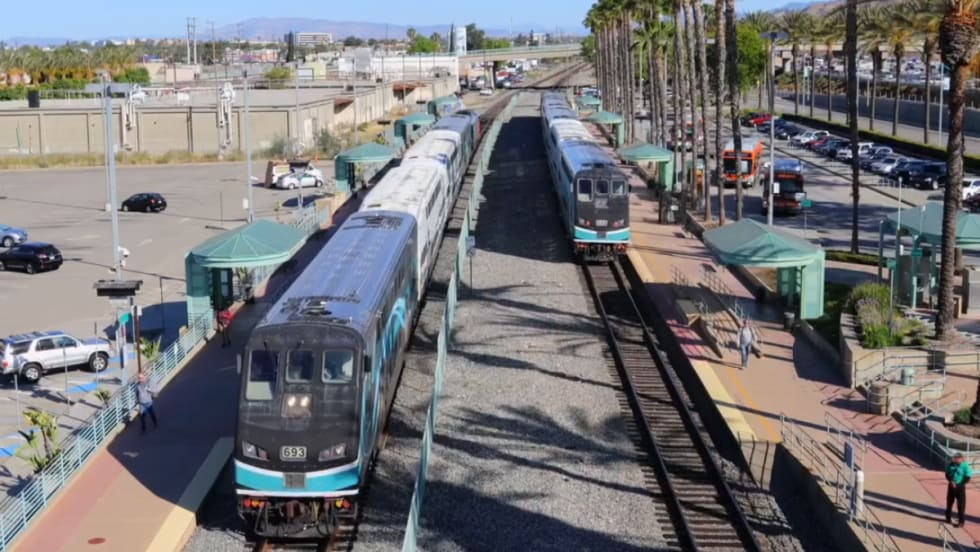
Southern California’s Metrolink Approves $508.8M Budget, Avoids Service Cuts
A $20 million state allocation allows the regional rail agency to maintain existing weekday and weekend service through fiscal year 2028, although longer-term funding challenges remain.
Read More →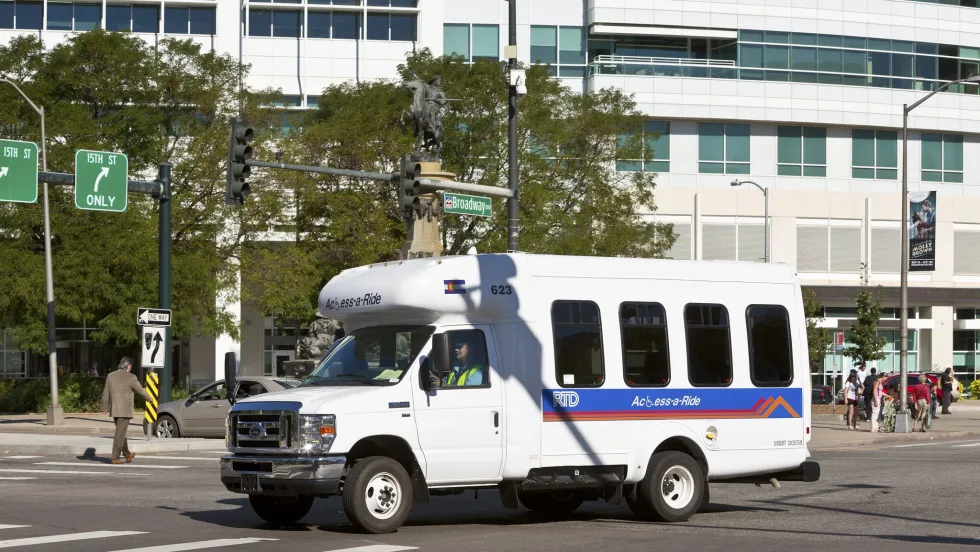
Denver RTD Committee to Review Paratransit Services, Improve Accessibility
The committee will oversee an independent study of paratransit operations, gather customer feedback, and recommend improvements to service reliability, accessibility, and accountability.
Read More →
Castro to Lead RTC of Southern Nevada and More in People Movement
In this edition, we also cover recent appointments and announcements at the STV, MCI, and more, showcasing the individuals helping to shape the future of transportation.
Read More →
STraffic Expands North American Presence with Fare Collection Technology
John Moon, Associate Director, Product Strategy at STraffic, discusses the company's growth in North America, its efforts to reduce fare evasion, and more.
Read More →
Study: Denver RTD Generates $2.1 Billion in Annual Economic Activity
An economic impact study finds the agency supports approximately 17,500 jobs, delivers $1.6 billion in annual community and mobility benefits, and generates $2.42 in economic value for every dollar invested.
Read More →
Mark Aesch Nominated to Lead Federal Transit Administration
The former Rochester transit chief and TransPro founder, who has also contributed to METRO Magazine, brings decades of industry experience and a focus on performance, accountability, and financial sustainability to the nomination.
Read More →
Best and Worst U.S. Cities for Public Transportation in 2026
A new analysis of 50 major U.S. urban areas ranks public transit systems based on accessibility, affordability, usefulness, and safety, highlighting where transit performs best and where challenges remain.
Read More →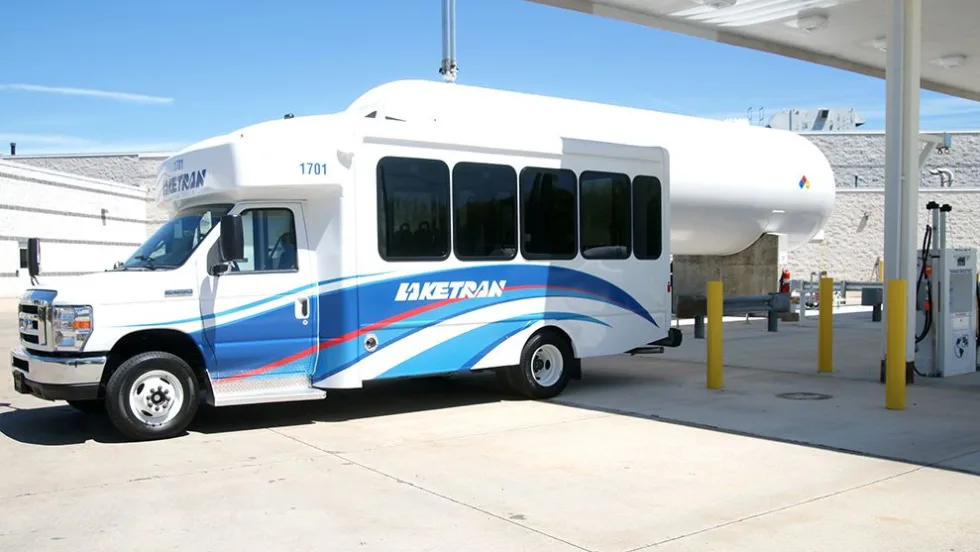
Laketran Cuts Fuel Costs, Boosts Efficiency with Propane-Powered Fleet
The Ohio transit agency is using propane-powered vehicles and on-site fueling infrastructure to cut fuel and maintenance costs while meeting growing demand for paratransit services.
Read More →
Canada’s Public Transit Supports $65.6 Billion in Annual GDP
New research from the Canadian Chamber of Commerce examines transit's economic contributions, including job creation and the financial implications of transportation investment.
Read More →
Pierce Transit Moves to Expand Fleet Following Proposition 1 Approval
The agency authorized the purchase or refurbishment of up to 60 buses to support a 47% service expansion, as voters nationwide approved billions in new transit funding.
Read More →