



VIA, MBTA Reach Pre-Pandemic Ridership Milestones as Transit Use Climbs
VIA surpasses three million monthly trips for the first time since 2020, while the MBTA tops one million average weekday trips as both agencies report continued ridership growth.

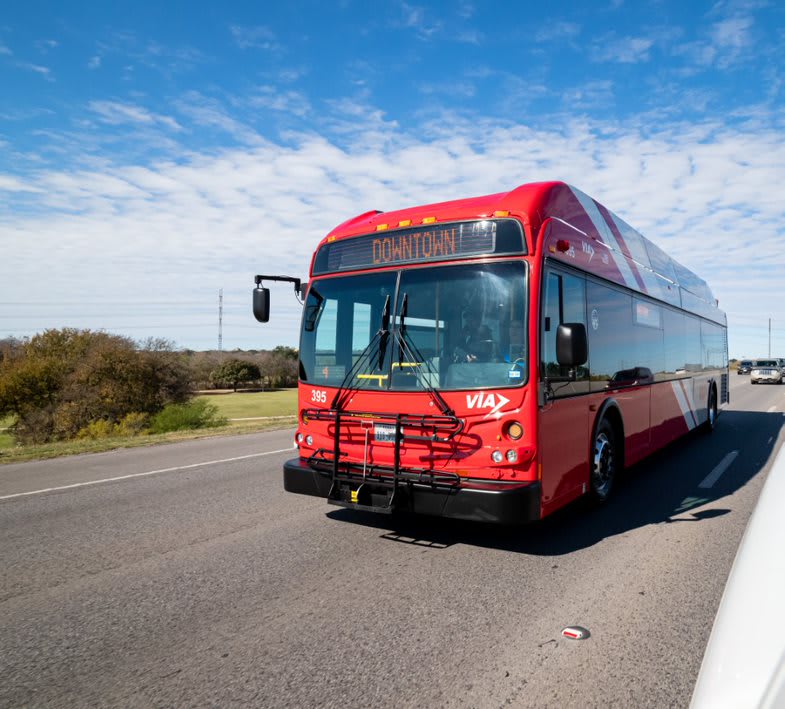
San Antonio's VIA recorded more than three million fixed-route passenger trips in a single month for the first time since February 2020.
VIA
- VIA reaches a milestone with over three million monthly trips, marking its highest ridership since 2020.
- MBTA records over one million average weekday trips, indicating strong recovery in transit usage.
- Both VIA and MBTA report consistent growth in ridership as transit use trends upward.
*Summarized by AI
San Antonio’s VIA Metropolitan Transit and Boston’s Massachusetts Bay Transportation Authority (MBTA) reached major ridership milestones, with both agencies reporting passenger levels not seen since before the COVID-19 pandemic.
VIA recorded more than three million fixed-route passenger trips in a single month for the first time since February 2020, while the MBTA surpassed an average of one million weekday passenger trips in October, also for the first time since February 2020.
The milestones come as both agencies continue investing in service improvements aimed at increasing frequency, reliability, and accessibility.
VIA Ridership Surpasses Three Million Monthly Trips
VIA recorded 3,032,420 fixed-route passenger trips in its latest reported month, marking its first return above the three-million threshold in more than six years. The agency provided 31.6 million passenger trips in 2025 and is on track to provide approximately three million additional trips in 2026.
VIA officials attributed the continued growth in part to the agency's Better Bus Plan, launched in spring 2025 to improve service frequency, reliability, and travel times throughout its network.
With about 70% of the plan implemented, the share of VIA routes operating every 30 minutes or better rose from 30% in January 2025 to 72% in August 2026.
The agency expects ridership growth to continue as it introduces additional service improvements and major transportation investments advance, including the VIA Rapid Green and Silver lines. The Green Line, the region's first Advanced Rapid Transit service, is expected to begin operations in April 2028.
MBTA Reports Highest Weekday Ridership Since 2020
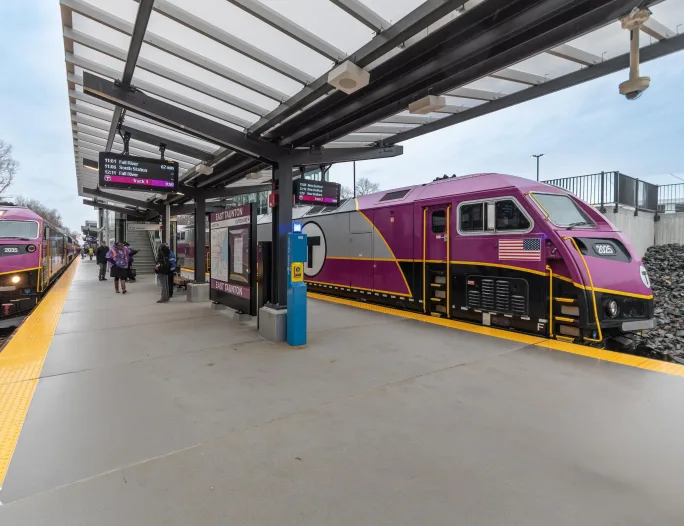
Since 2023, the MBTA has undertaken extensive improvements across its network, including removing more than 220 speed restrictions through its 2024 Track Improvement Program, replacing aging catenary infrastructure, and modernizing subway signal systems.
MBTA
Meanwhile, the MBTA reported that average weekday ridership exceeded one million passenger trips in October, up 4% from September 2026 and 9% from October 2025.
Interim Secretary of Transportation and MBTA GM Phillip Eng announced the milestone during the agency's recent board meeting.
"Improved service means that more riders can count on the T to get them where they need to go," Eng said. "Because of the great work we're doing, people are choosing to use public transit. Our work is not done, and we hope to see ridership continue to increase."
Since 2023, the MBTA has undertaken extensive improvements across its network, including removing more than 220 speed restrictions through its 2024 Track Improvement Program, replacing aging catenary infrastructure, and modernizing subway signal systems.
The agency has also increased service hours and frequency on dozens of bus routes, simplified routes, and introduced its year-round Harbor Loop ferry service.
Infrastructure improvements have enabled operating speeds of up to 55 mph on portions of the Orange Line north of North Station and 50 mph on sections of the Red Line, officials said, helping reduce subway travel times.
Service Improvements, Affordability Support Growth
In addition to service improvements, the MBTA has introduced several affordability initiatives, including its Income-Eligible Reduced Fare program, the Car-Free Seniors initiative, eliminating higher express bus fares, and a two-hour unlimited transfer window.
The agency has also offered discounts to commuter rail passengers and supported transit-oriented development projects that expand housing and commercial opportunities near stations. According to the MBTA, its transit-oriented development program has partnered with local developers to advance 10.1 million square feet of commercial space and 6,050 housing units, including 1,325 affordable units.
The increases at VIA and MBTA come as public transit agencies nationwide continue to rebuild ridership and adapt service to changing travel patterns.
While recovery has varied by region and mode, agencies have reported gains as they expand service frequency, improve reliability, and invest in infrastructure upgrades. Many are also focusing on affordability, accessibility, and better connections to employment centers and other major destinations to attract and retain riders.
Quick Answers
VIA surpassed three million monthly trips for the first time since 2020.
*Summarized by AI
More Management

People Movement: Metrolink's Kettle Announces Retirement, Feakins to CEO at UZURV, and More
In this edition, we also cover recent appointments and announcements at King County Metro, SilverRide, and more, showcasing the individuals helping to shape the future of transportation.
Read More →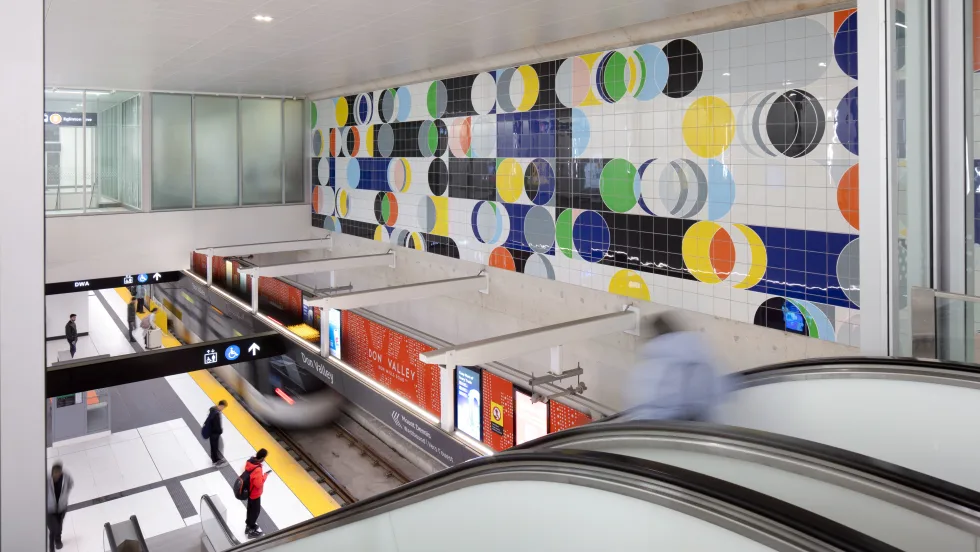
How Gen Z's Changing Mobility Habits Are Reshaping Public Transit
As younger generations embrace multimodal mobility over private vehicles, transit agencies can rethink station design, the passenger experience, and public transportation's role in building connected communities.
Read More →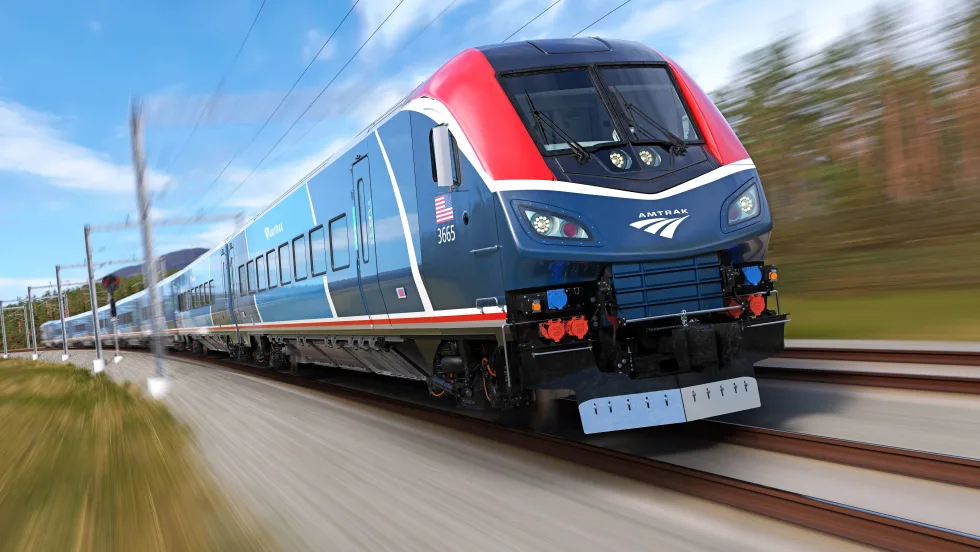
Amtrak Expands Airo Fleet with Eight Higher-Capacity Trainsets
The new 10-car trains, expected to enter service in 2031, will provide about 34% more seating capacity to meet growing demand on the Northeast Corridor.
Read More →
APTA Urges FTA to Withdraw Proposed Capital Investment Grants Guidance
The association warns that proposed changes could delay transit projects, reduce federal funding, and create new hurdles for 47 projects currently in the CIG pipeline.
Read More →
Amtrak, NJ TRANSIT Launch Full Service on New Portal North Bridge
The completion of the two-track bridge over the Hackensack River eliminates a longstanding source of delays for NJ TRANSIT and Amtrak customers. It marks a major milestone for the Gateway Program.
Read More →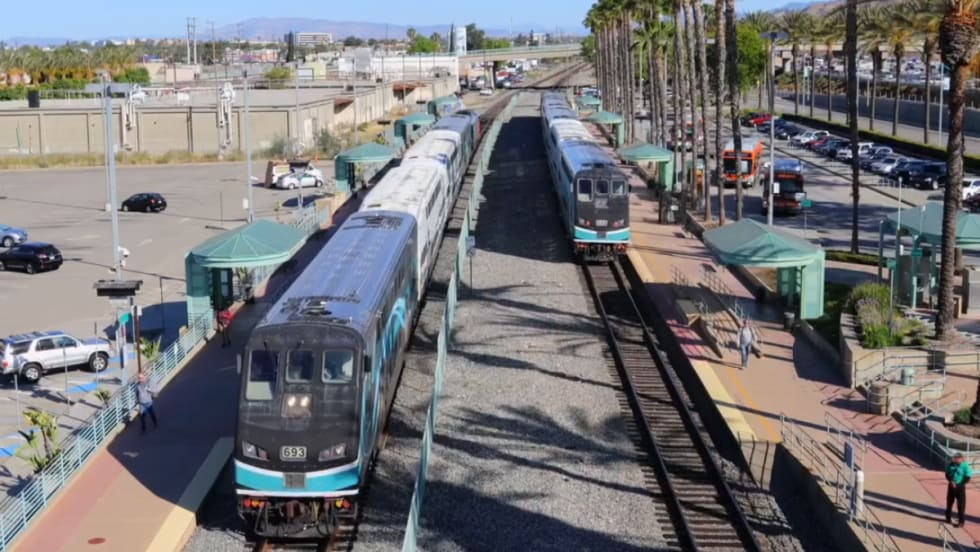
Southern California’s Metrolink Approves $508.8M Budget, Avoids Service Cuts
A $20 million state allocation allows the regional rail agency to maintain existing weekday and weekend service through fiscal year 2028, although longer-term funding challenges remain.
Read More →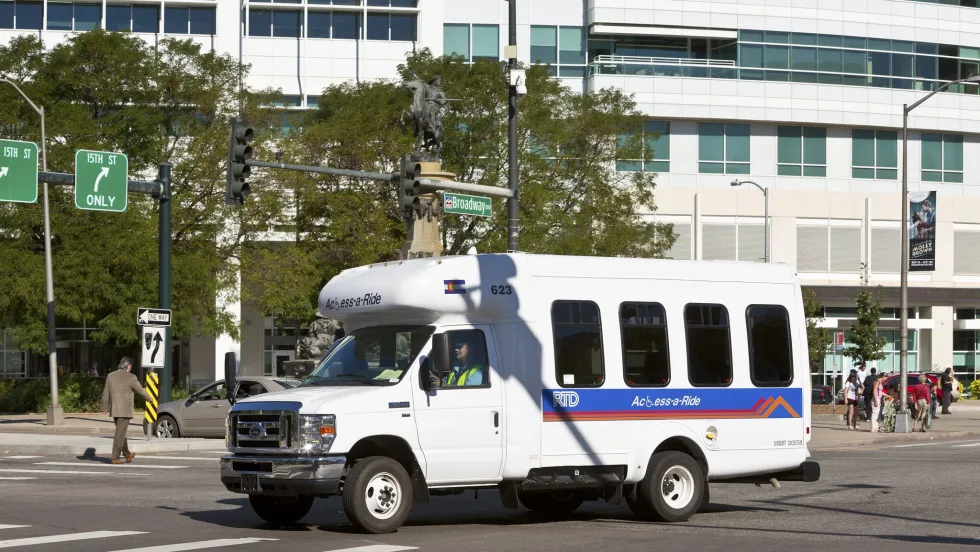
Denver RTD Committee to Review Paratransit Services, Improve Accessibility
The committee will oversee an independent study of paratransit operations, gather customer feedback, and recommend improvements to service reliability, accessibility, and accountability.
Read More →
Castro to Lead RTC of Southern Nevada and More in People Movement
In this edition, we also cover recent appointments and announcements at the STV, MCI, and more, showcasing the individuals helping to shape the future of transportation.
Read More →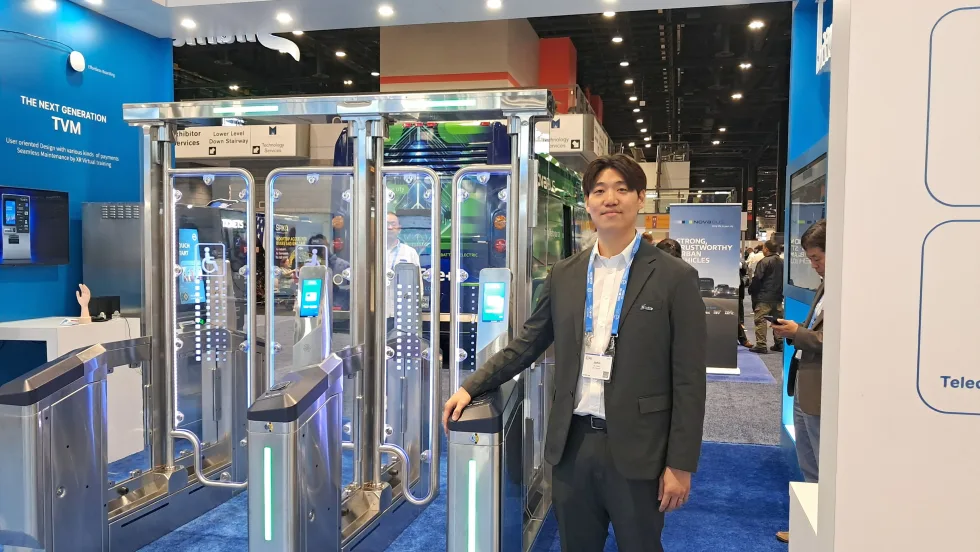
STraffic Expands North American Presence with Fare Collection Technology
John Moon, Associate Director, Product Strategy at STraffic, discusses the company's growth in North America, its efforts to reduce fare evasion, and more.
Read More →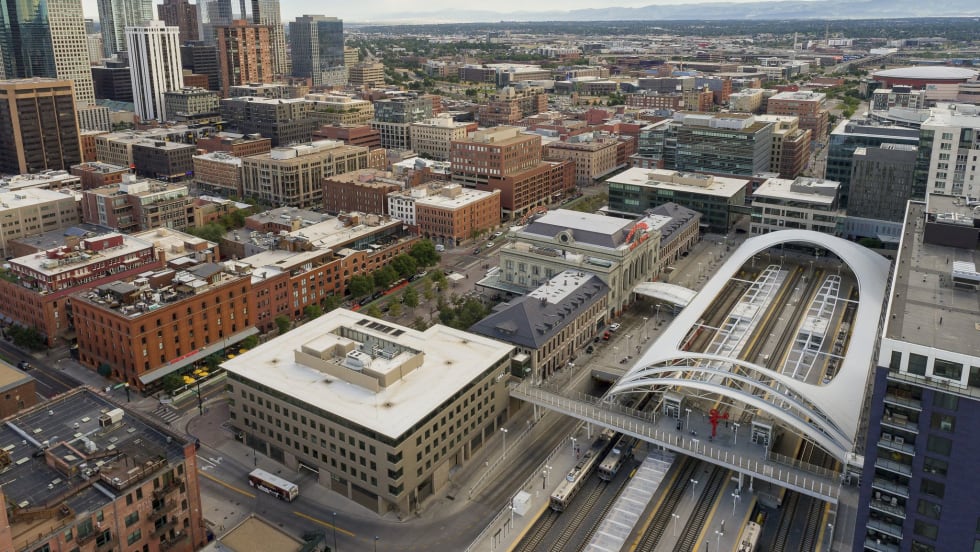
Study: Denver RTD Generates $2.1 Billion in Annual Economic Activity
An economic impact study finds the agency supports approximately 17,500 jobs, delivers $1.6 billion in annual community and mobility benefits, and generates $2.42 in economic value for every dollar invested.
Read More →