



Study: Denver RTD Generates $2.1 Billion in Annual Economic Activity
An economic impact study finds the agency supports approximately 17,500 jobs, delivers $1.6 billion in annual community and mobility benefits, and generates $2.42 in economic value for every dollar invested.

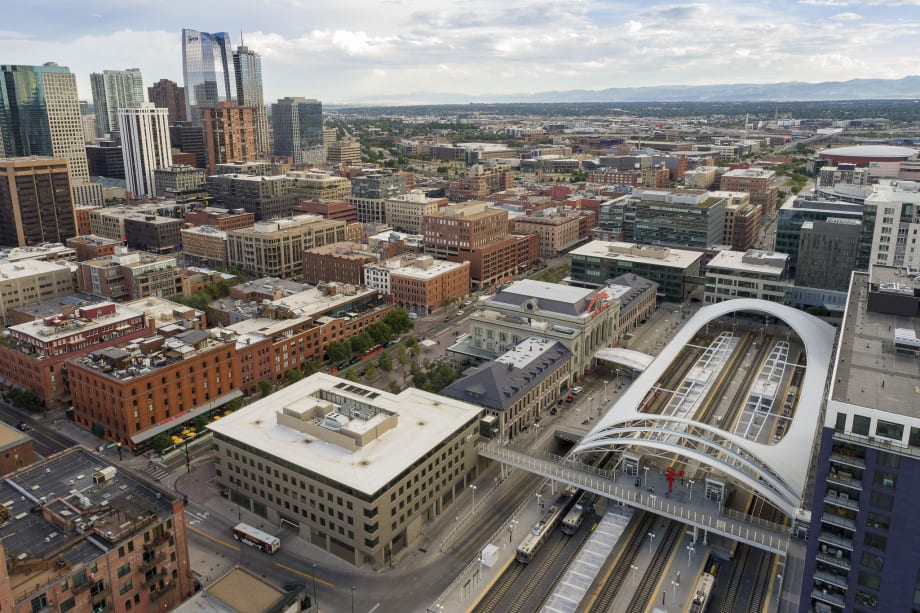
The study compared current conditions with a hypothetical scenario in which RTD service did not exist. Researchers found that every $1 invested in the agency generates $2.42 in economic value for the region.
Denver RTD
- The Denver RTD generates $2.1 billion in annual economic activity, according to a recent study.
- The agency supports around 17,500 jobs and delivers $1.6 billion in community and mobility benefits each year.
- For every dollar invested in Denver RTD, $2.42 in economic value is produced.
*Summarized by AI
A new economic impact study shows the Denver Regional Transportation District (RTD) is a major contributor to the region’s economy, supporting approximately 17,500 jobs, generating an estimated $2.1 billion in annual economic activity, and providing roughly $1.6 billion each year in community and mobility benefits.
Conducted by EBP, a Boston-based research and consulting firm specializing in transportation, energy, and economic development, the study evaluated the economic value of RTD's operations and capital investments, as well as the mobility benefits transit provides to residents, businesses, and communities throughout the region.
The study compared current conditions with a hypothetical scenario in which RTD service did not exist. Researchers found that every $1 invested in the agency generates $2.42 in economic value for the region.
"RTD is not just moving people. It is helping power the regional economy," said RTD GM/CEO Debra A. Johnson. "This study confirms what many residents and employers already know: transit connects people to opportunity, supports business growth, and provides benefits that reach far beyond our customers."
Connecting Residents to Opportunities
The study was commissioned to quantify transit's economic value and provide regional leaders and stakeholders with data to inform future investment and planning decisions.
Beyond its broader economic impact, RTD provides access to jobs, education, healthcare, and essential services, helping residents participate in the workforce and remain connected to their communities.
Without RTD, researchers estimate the region would lose approximately 4,500 jobs held by transit commuters and more than $1 billion in economic activity. Workers without reliable transportation would face additional barriers to employment and economic opportunity.
The study also found that RTD provides customers with an affordable alternative to driving, taxis, and ride-hailing services.
According to the findings, transit customers collectively avoid more than $211 million annually in vehicle ownership costs, including insurance, registration, depreciation, and financing expenses. They also save approximately $445 million annually in fuel, parking, vehicle operating, taxi, and ride-hailing costs.
For comparison, RTD's standard three-hour fare is $2.75, compared with approximately $5.38 for driving and more than $22 for a taxi or transportation network company trip.
RTD also helps reduce traffic congestion. Without transit service, researchers estimate the region would experience an additional 464 million vehicle miles traveled annually, resulting in approximately $56 million in lost time and productivity each year.
Safety and Environmental Benefits
The study also identified safety and environmental benefits associated with RTD service.
Researchers estimate that transit helps prevent approximately 19 fatalities, 778 injuries, and 1,955 vehicle crashes and property-damage incidents annually, representing an estimated $464 million in yearly safety benefits.
RTD also reduces greenhouse gas emissions by approximately 125,000 metric tons of carbon dioxide annually. That reduction is equivalent to the annual energy use of about 26,000 homes or the carbon absorbed by roughly two million trees over 10 years.
The study also examined the relationship between high-capacity transit and regional economic development.
In counties served by RTD's rail system and Flatiron Flyer service, about 40% of commercial property value and 11% of residential property value are within one-half mile of high-capacity transit, even though those areas account for a relatively small share of the region's land area.
According to RTD officials, the findings demonstrate transit's role in supporting economic development, attracting investment, and connecting communities.
Supporting Jobs and Regional Investment
RTD's annual operating, maintenance, and capital investments support about 9,300 jobs and generate more than $1 billion in community and mobility benefits, the study found.
The agency's spending supports workers, suppliers, contractors, and local businesses throughout the Denver metropolitan area.
The findings also highlight how RTD's investments and services contribute to the region's economy beyond the direct transportation benefits provided to customers.
"As the region continues to grow, transit remains essential infrastructure that supports mobility, economic opportunity, sustainability, and quality of life," said Johnson. "The benefits of RTD extend well beyond our buses, trains, and paratransit vehicles. They help strengthen the entire region."
Quick Answers
The study reports that Denver RTD generates $2.1 billion in annual economic activity.
*Summarized by AI
More Management

Mark Aesch Nominated to Lead Federal Transit Administration
The former Rochester transit chief and TransPro founder, who has also contributed to METRO Magazine, brings decades of industry experience and a focus on performance, accountability, and financial sustainability to the nomination.
Read More →
Best and Worst U.S. Cities for Public Transportation in 2026
A new analysis of 50 major U.S. urban areas ranks public transit systems based on accessibility, affordability, usefulness, and safety, highlighting where transit performs best and where challenges remain.
Read More →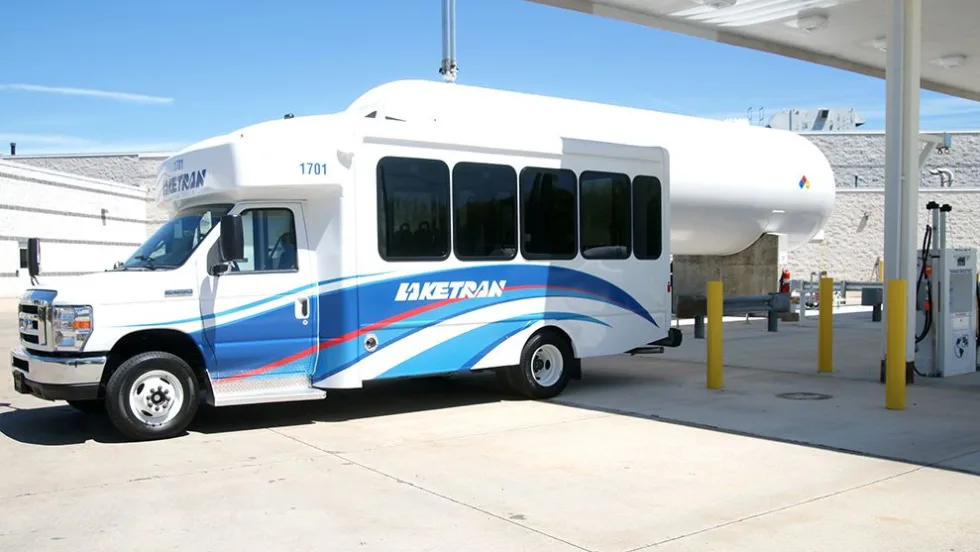
Laketran Cuts Fuel Costs, Boosts Efficiency with Propane-Powered Fleet
The Ohio transit agency is using propane-powered vehicles and on-site fueling infrastructure to cut fuel and maintenance costs while meeting growing demand for paratransit services.
Read More →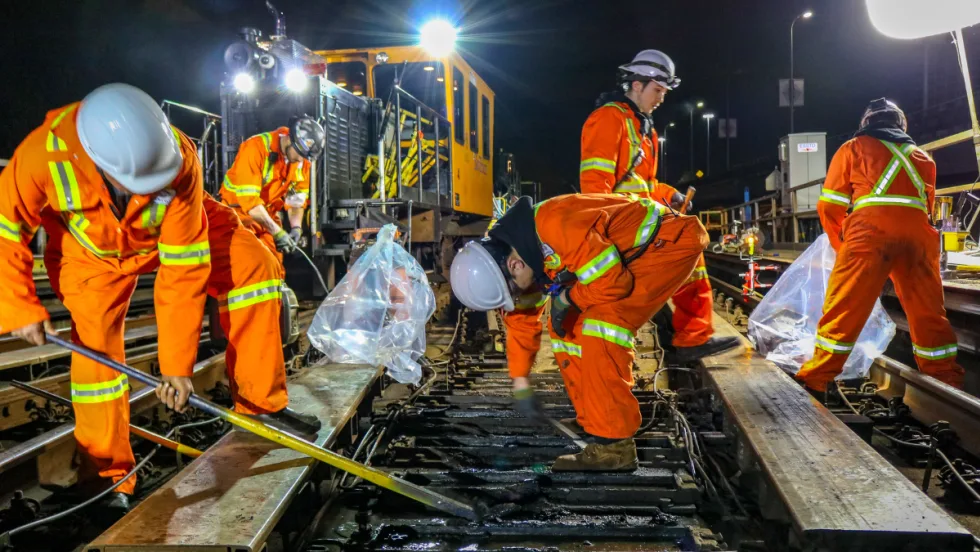
Canada’s Public Transit Supports $65.6 Billion in Annual GDP
New research from the Canadian Chamber of Commerce examines transit's economic contributions, including job creation and the financial implications of transportation investment.
Read More →
Pierce Transit Moves to Expand Fleet Following Proposition 1 Approval
The agency authorized the purchase or refurbishment of up to 60 buses to support a 47% service expansion, as voters nationwide approved billions in new transit funding.
Read More →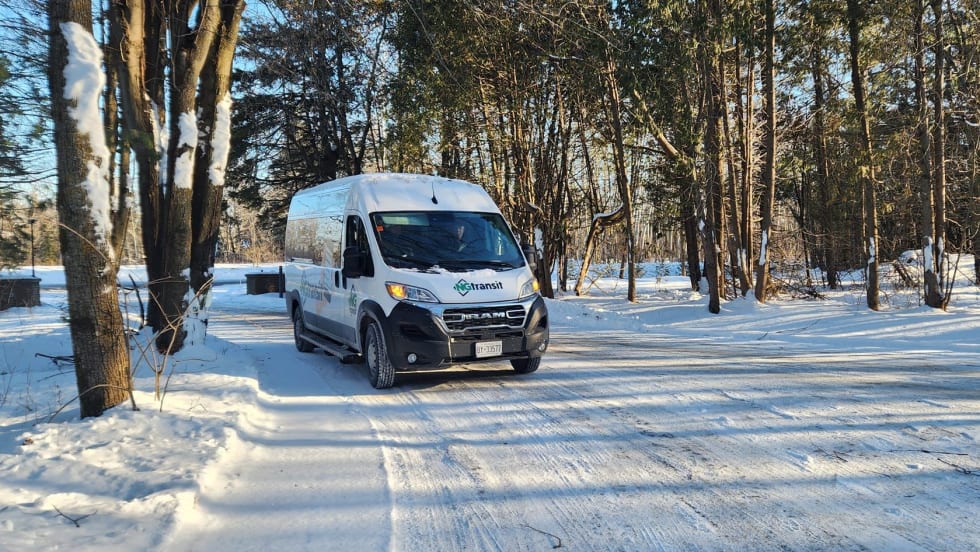
Right-Sizing Rural Transit: Lessons from North Grenville’s On-Demand Model
A small municipality shows how flexible service, rider needs, and public accountability can expand mobility with limited resources.
Read More →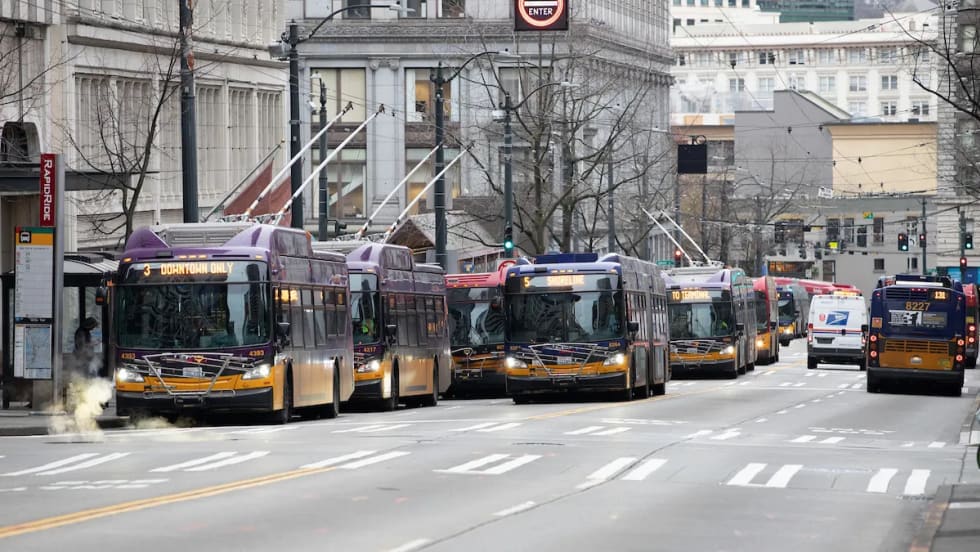
Transit Ballot Victories Signal Strong Voter Support: What Comes Next?
Voters approved billions in public transportation investments in 2026, giving agencies opportunities to preserve service, expand operations, and strengthen regional connections amid a changing political landscape.
Read More →
Transit Expands Agency Partnerships, Reaching 200 Official App Partners
COO Jake Sion discusses Transit’s growth, the success of its Transit Royale program, and how technology is helping agencies improve the rider experience.
Read More →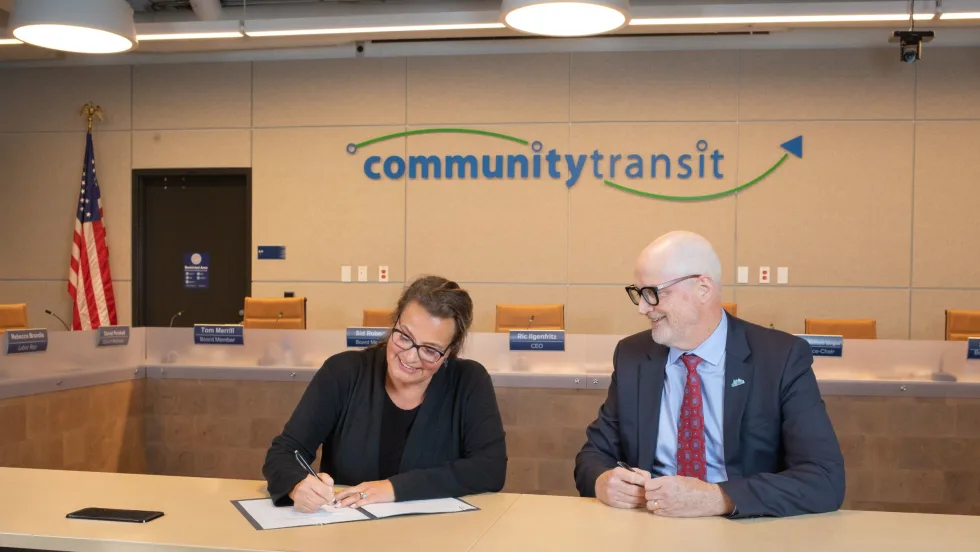
Everett Transit, Community Transit Approve Consolidation of Services
The agreement will bring Everett Transit into Community Transit’s network in April 2027, with plans to increase bus service by 50% by 2031 and expand regional connections.
Read More →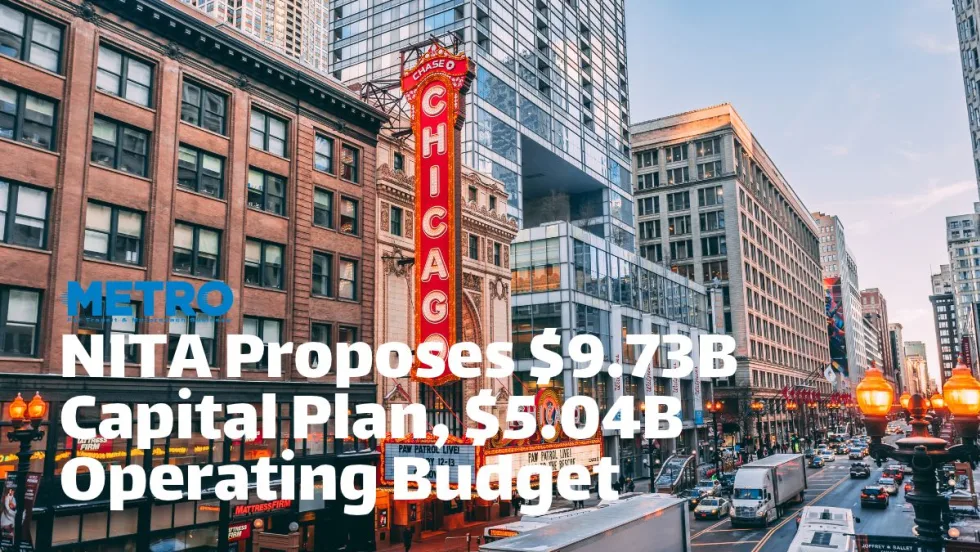
NITA Proposes $5B Operating Budget, $9.7B Capital Program for 2027
The proposed budget includes funding for expanded transit service, safety initiatives, fleet upgrades, and infrastructure improvements across CTA, Metra, and Pace.
Read More →