



San Diego MTS Approves New Fare Evasion Penalty Program
The new administrative process will move eligible violations out of the criminal court system, cap penalties at $125, and provide flexible payment options for riders.

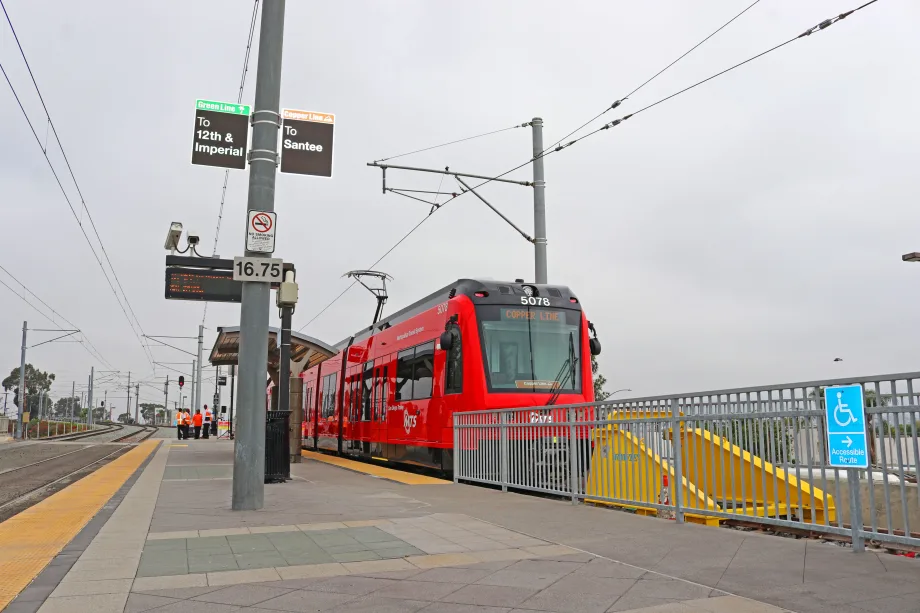
Under the new San Diego MTS framework, riders who receive eligible citations would have access to an administrative review process rather than having citations handled through the criminal court system.
San Diego MTS
- San Diego MTS has introduced a new administrative process for handling fare evasion penalties.
- The program will shift eligible violations away from the criminal court system and set a maximum penalty of $125.
- Riders will have access to flexible payment options under this new penalty program.
*Summarized by AI
The San Diego Metropolitan Transit System (MTS) board approved a new administrative penalty program for fare evasion and certain passenger conduct violations, marking a significant shift in how the transit system will address fare evasion.
The action authorizes MTS to establish an administrative process for eligible violations, moving away from the current criminal enforcement model.
Under the new framework, riders who receive eligible citations would have access to an administrative review process rather than having citations handled through the criminal court system.
“My goal since I began advocating for this change in 2019 has been to prevent a missed transit fare from becoming a financial burden that follows someone for years," said Monica Montgomery Steppe, MTS chair pro tem. “A $3 fare should not lead to hundreds or even thousands of dollars in fines and fees. This proposal would give people a more reasonable way to resolve minor violations without having to navigate the criminal court system.”
Mechanics of San Diego’s New System
Under the approved administrative process, unpaid citations could still be referred for collection. However, the total penalty, including late fees and collection fees, would be limited to $125 per citation. The administrative process also provides options for people who cannot afford to pay, including installment payments, deferred payments, and community service.
Implementation of the program is not expected to occur immediately.
After the board acts, MTS will begin procuring the technology, equipment, and administrative services needed to support the new program. The transition is expected to take approximately two years, with implementation anticipated by Jan. 1, 2029.
“This is a significant step toward making fare enforcement fairer and more proportionate, particularly for people already struggling financially,” said Montgomery Steppe.
A Growing Trend in Transit
Transit agencies across the U.S. have implemented measures to address fare evasion, including upgraded fare gates, increased inspections, administrative citations, and alternative payment programs.
The Washington Metropolitan Area Transit Authority (WMATA) installed higher, more secure fare gates at all 98 Metrorail stations, reporting an 82% reduction in rail fare evasion following the upgrades.
Meanwhile, the Bay Area Rapid Transit (BART) completed installing next-generation fare gates at all 50 stations in August 2025, estimating the improvements generate about $10 million in additional annual fare revenue.
In New York, the Metropolitan Transportation Authority (MTA) has been testing modernized fare gates and reports preliminary fare evasion reductions of 20% to 70% at pilot locations. The agency plans to expand the technology to 150 stations by 2029.
Other agencies have implemented administrative enforcement programs. King County Metro in Seattle resumed fare inspections in 2025 under a policy that provides two warnings before issuing fines or offering alternative resolutions, including enrollment in reduced-fare programs and community service.
Quick Answers
The goal is to remove eligible fare evasion violations from the criminal court system and handle them administratively.
*Summarized by AI
More Security and Safety
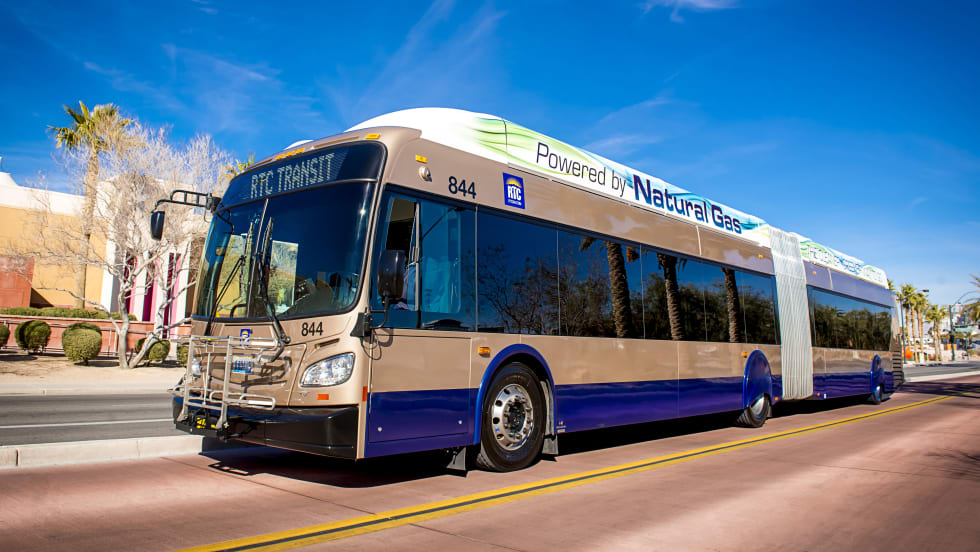
RTC of Southern Nevada Reports 29% Drop in Transit Operator Assaults
The agency credits expanded security measures, employee training, and technology investments for improvements in transit safety, while security officers have responded to 19 suspected overdoses since July.
Read More →
Public Transit Conference Returning to GFX in 2027, Call for Papers Now Open
The Call for Papers is now open, allowing transit agency professionals and industry experts to help shape the PTC educational program by submitting session ideas for consideration.
Read More →
Safe Transit Act Proposes New Security Requirements for Federal Transit Funding
Proposed legislation would link federal transit dollars to safety measures while requiring security investments, onboard cameras, and new fare collection standards.
Read More →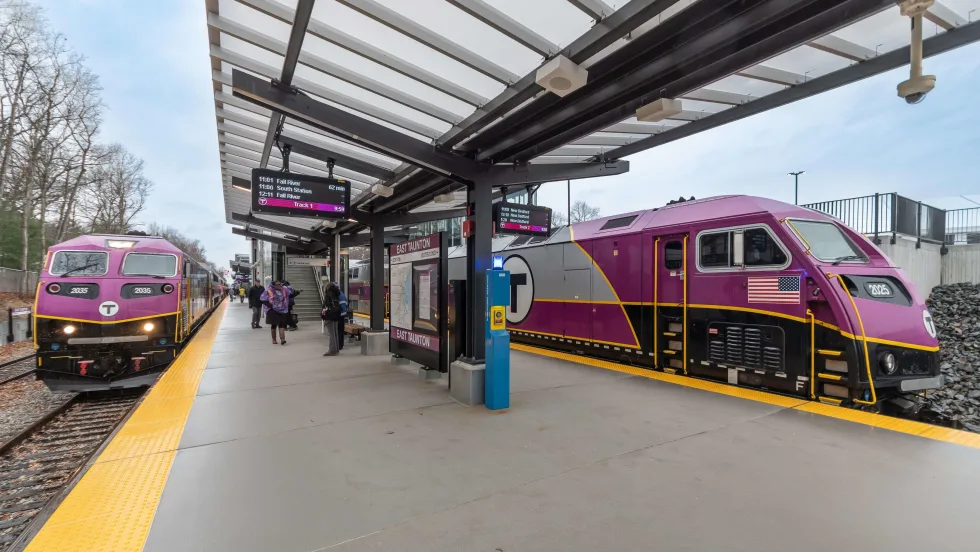
FTA Ends Direct Oversight of MBTA Safety Actions
The federal agency closed its remaining special directive to the Massachusetts Department of Public Utilities following a safety review that began in 2022.
Read More →
Transit Agencies Highlight Safety Gains at National Summit
Leaders from 15 major transit systems shared crime-reduction results and safety initiatives while discussing the role of continued federal support.
Read More →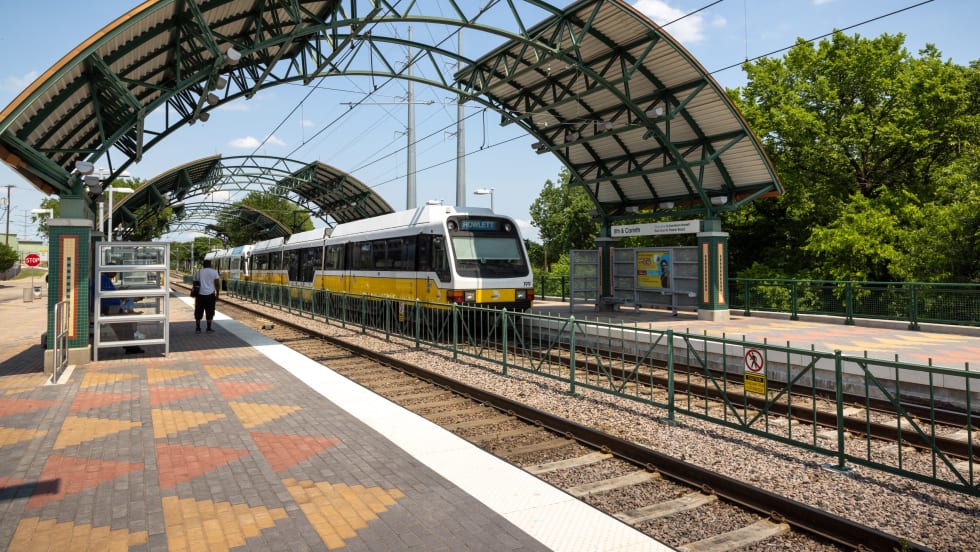
DART Launches Major Security, Fare Enforcement Initiative
The 90-day demonstration will deploy coordinated security teams at five light rail stations while testing controlled access and gathering data to guide future investments.
Read More →
RTD Launches NextRide App to Consolidate Trip Planning, Fares, Security Reporting
The app expands on RTD’s existing NextRide web application and allows customers to view real-time vehicle locations and service alerts, purchase and store digital fares, and access customer support.
Read More →
TAPTCO Updates OSHA Compliance Training for Transit Maintenance Operations
The revamped program addresses 26 OSHA standards for maintenance facilities, with TAPTCO pointing to training, documentation, and everyday shop hazards as continuing challenges for transit operations.
Read More →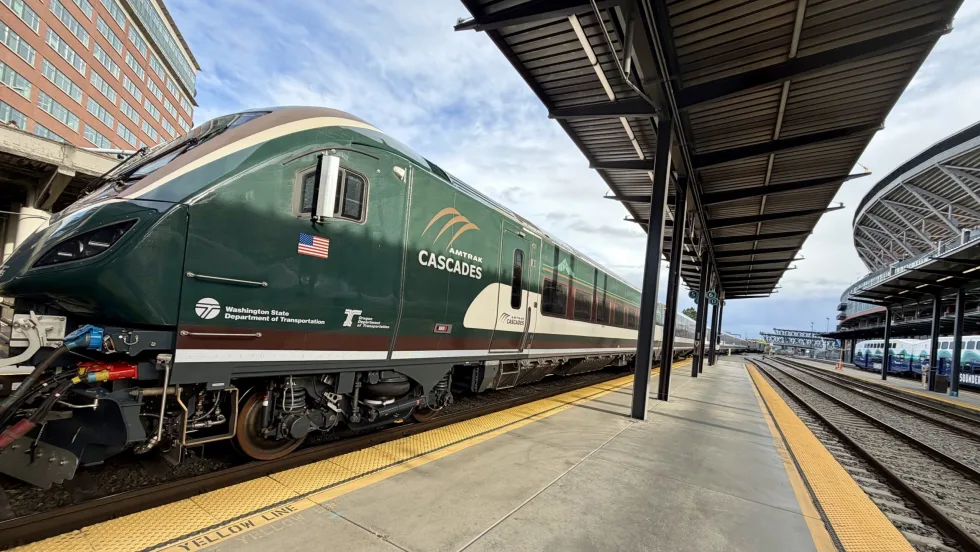
FRA Announces $5.3B in Rail Investments, Including $2B for Amtrak
Funding will support grade-crossing improvements, infrastructure upgrades, and new Amtrak equipment in 23 states.
Read More →
Chicago, Maryland Expand Non-Law-Enforcement Safety, Rider Support
The CTA and MTA are launching new programs aimed at de-escalation, crisis response, rider assistance, and greater transparency.
Read More →