



RTC Reports Nearly 29% Drop in Transit Operator Assaults
The Las Vegas agency credits expanded security measures, training, and technology for improved safety in FY 2026, while security officers have helped save 19 lives through overdose-response efforts.
November 17, 2026

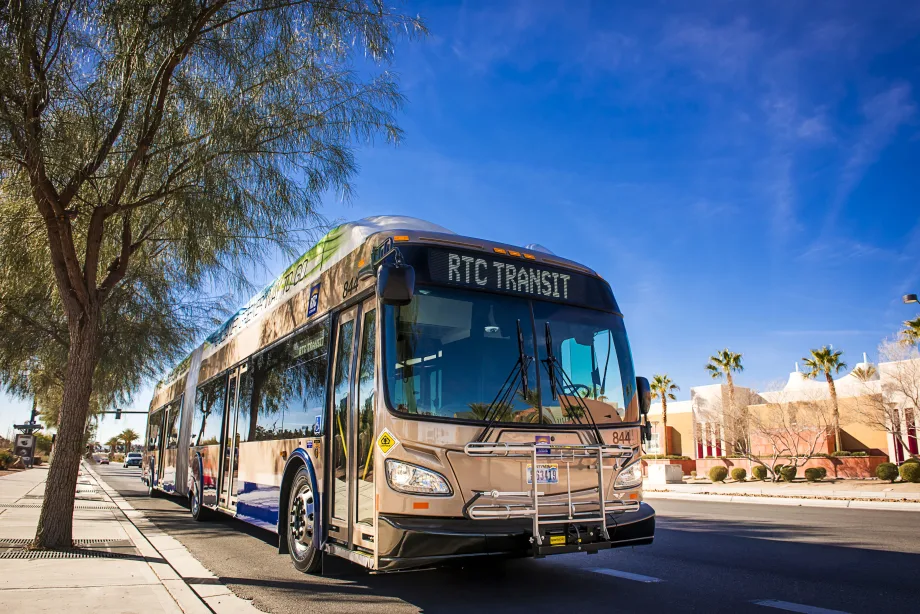
RTC continues to strengthen its security program through technology investments and partnerships with local and federal agencies.
Credit:
RTC of Southern Nevada
3 min to read
- The Las Vegas RTC reports a nearly 29% decrease in transit operator assaults in FY 2026.
- Enhanced security measures, training, and technology are credited with improving safety.
- Security officers have responded effectively to emergencies, saving 19 lives from overdoses.
*Summarized by AI
The Regional Transportation Commission of Southern Nevada (RTC) reported measurable improvements in transit safety in Fiscal Year 2026, including a nearly 29% reduction in passenger-on-operator assaults, while providing more than 55.8 million passenger trips throughout Southern Nevada.
RTC-contracted security officers have also helped save 19 lives since July 2026 after receiving overdose-response training earlier this year.
The results reflect RTC’s continued focus on protecting transit operators and passengers through investments in security personnel, technology, training, and partnerships.
The agency’s comprehensive security program, recognized with the American Public Transportation Association’s (APTA) 2025 Bus Security Gold Award, includes approximately 300 armed security officers, enhanced safety technology, and ongoing emergency preparedness efforts.
Operator Assaults Decline
In FY 2026, passenger-on-operator assaults declined nearly 29%, from 28 incidents to 20. Verbal assaults, including threats, intimidation, and harassment, dropped nearly 46%, from 166 incidents to 90.
RTC officials attributed the improvements, in part, to an expanded security presence, annual de-escalation training, and additional enforcement tools authorized under Senate Bill 290, which allows for the removal of disruptive passengers from transit services.
The measures are part of RTC’s ongoing efforts to create a safer environment for operators and passengers who rely on the transit system daily.
Through a partnership with the Southern Nevada Health District, RTC security officers have also been trained and equipped to administer Narcan, a medication used to reverse opioid overdoses.
Since July 2026, officers have helped save 19 lives while responding to suspected overdoses.
At its October board meeting, RTC recognized six security officers with its Crystal Bus Award for their lifesaving responses.
“These 19 critical responses demonstrate what is possible when public agencies work together with compassion and purpose,” said RTC Board member Brian Knudsen. “By giving security officers the training and tools to recognize and respond to an overdose, we are helping make our transit system — and our community — safer and stronger.”
Continued Investment in Technology and Partnerships
RTC continues to strengthen its security program through technology investments and partnerships with local and federal agencies.
A more than $700,000 Transit Security Grant from the Federal Emergency Management Agency (FEMA) is supporting a pilot program to evaluate advanced AI-enabled detection capabilities.
Additional safety measures include GPS-enabled panic buttons for operators, ZeroEyes weapons detection technology at transit facilities, and the rideRTC See & Say platform, which allows passengers to report safety concerns directly to RTC Security Dispatch in real time.
RTC also works closely with the Las Vegas Metropolitan Police Department and other law enforcement agencies to support investigations. In FY 2026, RTC and its security contractor assisted law enforcement in more than 400 investigations.
At the federal level, RTC partners with the Department of Homeland Security, the Transportation Security Administration (TSA), and the Cybersecurity and Infrastructure Security Agency to strengthen emergency preparedness.
RTC earned a 99.8% score on TSA’s Baseline Assessment for Security Enhancement (BASE), which evaluates transit security practices and preparedness.
Quick Answers
The RTC reported a nearly 29% drop in transit operator assaults.
*Summarized by AI
More Security and Safety

Improving Transit Safety and Reliability Through AI
Hayden AI’s Chief Growth Officer, Charley Territo, discusses how AI-powered camera enforcement is helping transit agencies keep bus lanes and stops clear, improve accessibility, and move from pilot programs to full-scale deployments.
Read More →
Study: Denver RTD Generates $2.1 Billion in Annual Economic Activity
An economic impact study finds the agency supports approximately 17,500 jobs, delivers $1.6 billion in annual community and mobility benefits, and generates $2.42 in economic value for every dollar invested.
Read More →
SEPTA Launches 'Reach' Program to Connect Vulnerable Individuals with Support
The initiative deploys specialists throughout Philadelphia’s transit system to connect individuals with housing, healthcare, and social services while addressing safety and quality-of-life concerns.
Read More →
LADOT to Launch Bus-Mounted Camera Enforcement on DASH Buses
The program will begin with a 60-day warning period before citations are issued in January 2027, joining similar efforts across Southern California to improve bus reliability, safety, and accessibility.
Read More →
New York MTA Launches Historic $1.9B Signal, Track Modernization Project
Funded in part by congestion pricing revenue, the project will replace nearly century-old signals along the A and C lines in Brooklyn and Queens.
Read More →
CSA Group Releases Climate Resilience Standard for Transit, Passenger Rail
Developed with support from the Standards Council of Canada, CSA D700 guides assessing climate-related risks and planning adaptation measures for transit and passenger rail systems.
Read More →
San Diego MTS Approves New Fare Evasion Penalty Program
The new administrative process will move eligible violations out of the criminal court system, cap penalties at $125, and provide flexible payment options for riders.
Read More →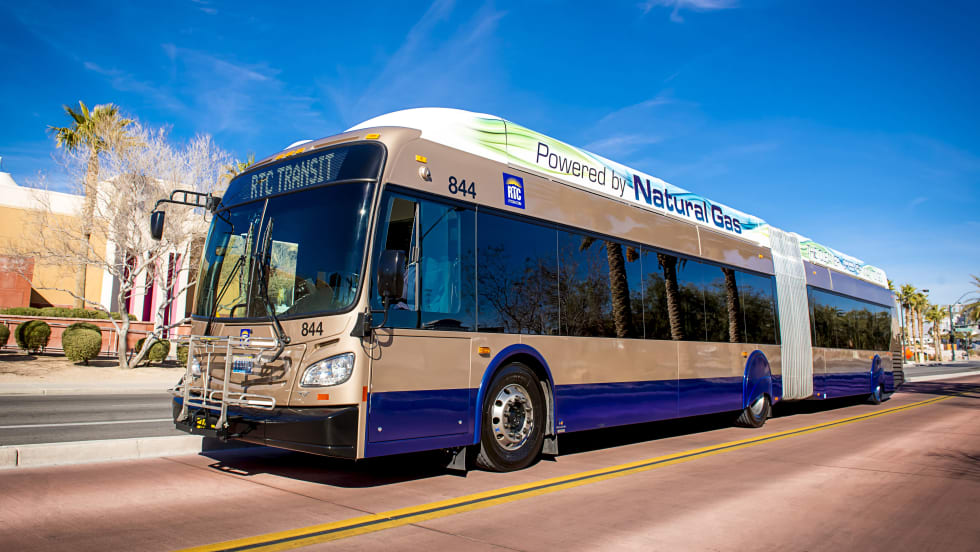
RTC of Southern Nevada Reports 29% Drop in Transit Operator Assaults
The agency credits expanded security measures, employee training, and technology investments for improvements in transit safety, while security officers have responded to 19 suspected overdoses since July.
Read More →
Public Transit Conference Returning to GFX in 2027, Call for Papers Now Open
The Call for Papers is now open, allowing transit agency professionals and industry experts to help shape the PTC educational program by submitting session ideas for consideration.
Read More →
Safe Transit Act Proposes New Security Requirements for Federal Transit Funding
Proposed legislation would link federal transit dollars to safety measures while requiring security investments, onboard cameras, and new fare collection standards.
Read More →