




Related: Rail agencies adopt FRA's system for reporting close calls
D.C. Metro expands Close Call Reporting to bus operations
The program will allow bus employees, including those represented by the International Brotherhood of Teamsters Local 922 to report safety concerns that otherwise might go unreported without fear of possible discipline.
December 18, 2015
WMATA_Larry Levine
2 min to read
WMATA_Larry Levine
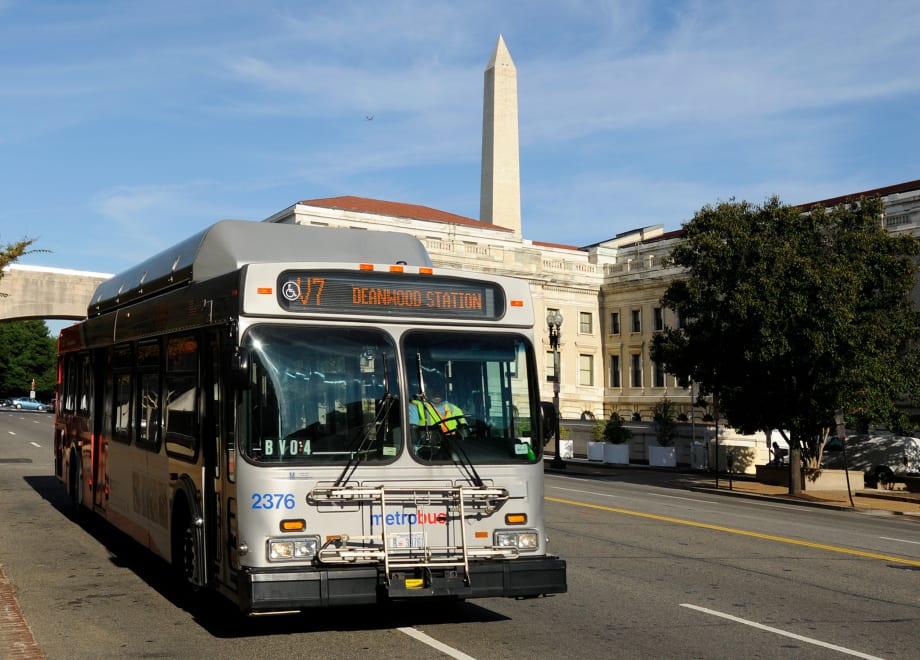
Washington Metropolitan Area Transit Authority (Metro) GM/CEO Paul J. Wiedefeld announced an expansion of the agency's confidential Close Call Transit Safety Reporting System to include Metrobus employees, becoming the first bus transit agency in the nation to implement such a program.
In 2013, Metro became the first rail transit agency in the nation to implement a confidential Close Call Transit Safety Reporting System. The program will allow bus employees, including those represented by the International Brotherhood of Teamsters Local 922 to report safety concerns that otherwise might go unreported without fear of possible discipline.
Beginning next month, Metrobus employees who see or experience unsafe conditions can submit a report to U.S. Department of Transportation’s Bureau of Transportation Statistics (BTS). To maintain confidentiality, BTS removes all identifying information, conducts interviews with employees who submit reports, and then presents information about emerging trends and new sources of risks to a joint Metro/Labor committee known as the Peer Review Team.
This trained team, which works under a strict confidentiality agreement required by BTS, will meet regularly to establish root causes of reported events and recommend actions Metro should take to stop them from reoccurring. The preventive safety actions are reviewed, approved and implemented by Metro management.
Operations employees receive information about the safety actions resulting from their Close Call Reports via a quarterly newsletter that is distributed by both management and the unions and is posted on a special BTS website set up for the program.
Close call reporting programs, which originated in the 1970’s in aviation, have worked well in freight and commuter rail environments. While Metro has instituted many safety initiatives to report safety concerns, close call reporting provides another avenue of reporting incidents confidentially, which will enable employees to keep a constant focus and attention to safety. These incidents will not be subject to administrative discipline, but the knowledge of their existence is critical in maintaining a sound safety culture.
More Security and Safety

Transit Agencies Highlight Safety Gains at National Summit
Leaders from 15 major transit systems shared crime-reduction results and safety initiatives while discussing the role of continued federal support.
Read More →
DART Launches Major Security, Fare Enforcement Initiative
The 90-day demonstration will deploy coordinated security teams at five light rail stations while testing controlled access and gathering data to guide future investments.
Read More →
RTD Launches NextRide App to Consolidate Trip Planning, Fares, Security Reporting
The app expands on RTD’s existing NextRide web application and allows customers to view real-time vehicle locations and service alerts, purchase and store digital fares, and access customer support.
Read More →
TAPTCO Updates OSHA Compliance Training for Transit Maintenance Operations
The revamped program addresses 26 OSHA standards for maintenance facilities, with TAPTCO pointing to training, documentation, and everyday shop hazards as continuing challenges for transit operations.
Read More →
FRA Announces $5.3B in Rail Investments, Including $2B for Amtrak
Funding will support grade-crossing improvements, infrastructure upgrades, and new Amtrak equipment in 23 states.
Read More →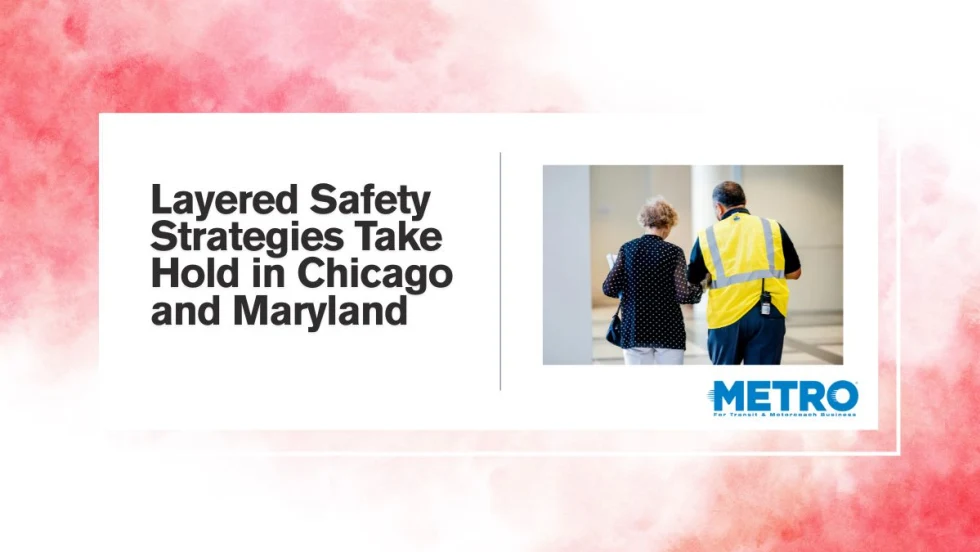
Chicago, Maryland Expand Non-Law-Enforcement Safety, Rider Support
The CTA and MTA are launching new programs aimed at de-escalation, crisis response, rider assistance, and greater transparency.
Read More →
LA Metro, City of West Hollywood, and Partners Advance Smarter Bus Lane Enforcement
The award-winning partnership combines AI-powered detection with human oversight to improve bus reliability, accessibility, and enforcement efficiency.
Read More →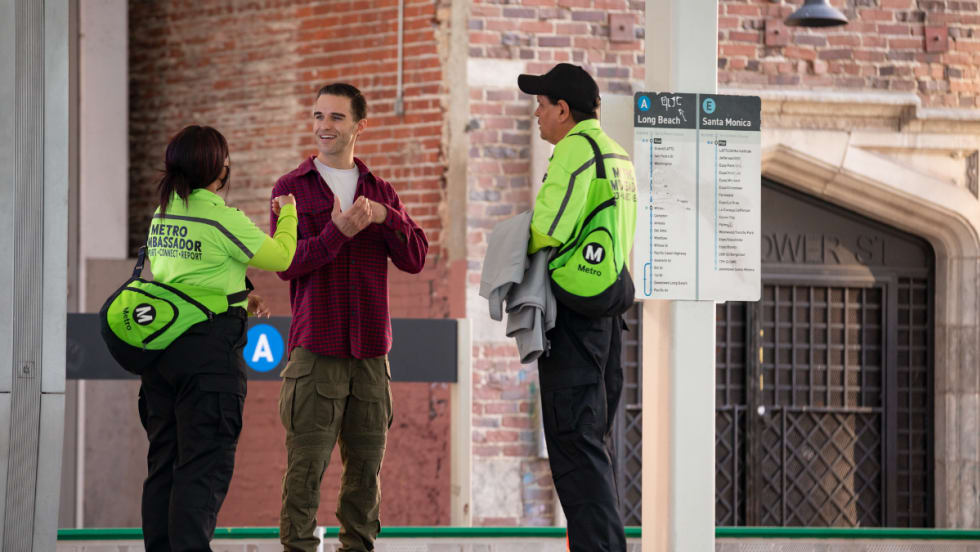
LA Metro Reports 57% Decline in Homelessness on Transit System Since 2024
The agency's latest homelessness count offers new data on how care-based services and cross-sector partnerships can complement traditional transit security strategies.
Read More →
FTA Launches 'Transit Moves America' Dashboard to Highlight Agency Safety and Performance
The online dashboard transforms National Transit Database information into a public-facing resource that allows users to compare transit agencies on key operational and safety metrics.
Read More →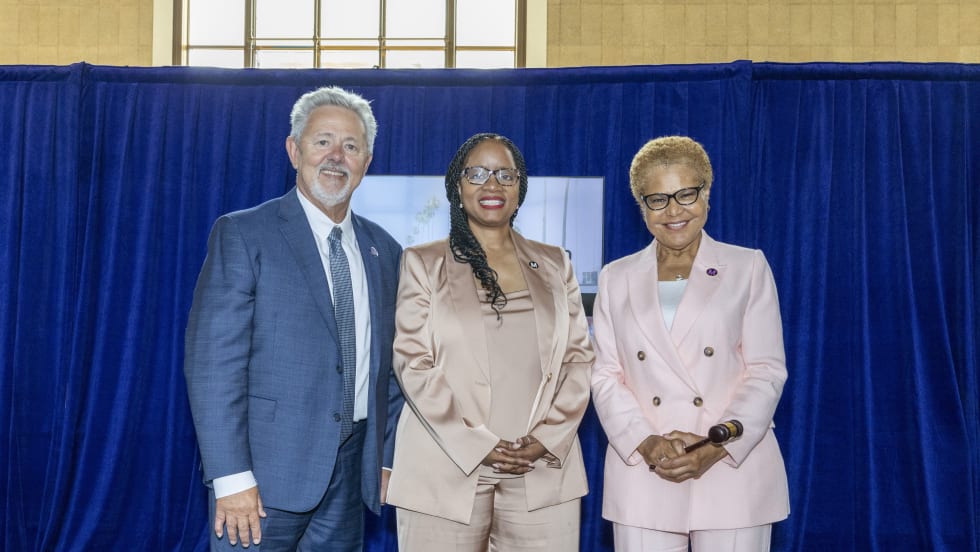
LA Metro Marks Banner Year, Sets Ambitious Goals for New Fiscal Year
Incoming LA Metro Board Chair and Los Angeles Mayor Karen Bass joined outgoing Board Chair Fernando Dutra and LA Metro CEO Stephanie Wiggins to review accomplishments from fiscal year 2026, which included the opening of new rail extensions, advancement of major transit projects, expanded safety programs, and new rider amenities.
Read More →