



D.C. Metro GM addresses safety
Catoe made a statement to the board of directors at the start of Metro's Customer Service, Operations and Safety Committee meeting on Thursday.

Washington Metropolitan Area Transit Authority (Metro) GM John Catoe made a statement to the board of directors at the start of Metro's Customer Service, Operations and Safety Committee meeting on Thursday.
In his address, he said:
In recent months since the June 22 accident, there has been much discussion at Metro, in the media, on Capitol Hill and in our communities questioning the safety of the Metro system and this agency's commitment to running the safest transit operation possible. At the conclusion of my remarks, I hope that speculation ends today.
To win the trust of customers, employees and others- we have battles in front of us, the proportions of which have never been confronted before. Until now, These battles involve not only the Metro system, but every person in every corner of our nation who plays a role in operating any kind of transit service. We must do everything we can to protect our riders, to restore their confidence in mass transit and to prevent all barriers, including resources, from impeding our efforts to run the safest systems possible. If people don't feel safe, we won't have riders. There can be no doubt in their minds about safety- period.
Statistically, mass transit remains the safest mode of transportation- above automobiles and airplanes. However, in every mode -- in every work place -- in every aspect of our lives, the threat of accidents is always there. But we must make every effort to avoid them. I, along with every Metro employee, will do whatever is necessary to minimize that risk. This is not lip-service. This is my declaration of war- war on anything and everything that stands in our way of making our system as safe as it can possibly be.
Today is about action. Not about reviews. Not about discussions. And not about planning to do something. We have a plan and have already started making changes in how we do business. Moving forward, this agency is only about action and implementation. From hiring to training, from procedures to operations, from leadership to front -line employees, every person and aspect of our organization will be affected.
These changes will come with accountability for everyone since it takes everyone to make Metro the safest system possible. However, no one is more accountable than I am. The responsibility for protecting riders is Metro's cornerstone and will guide everything we do.
Change won't be instant; it'll be a process. Tomorrow will be better. Things will transform and improve every day.
Some actions have already been taken. Major organizational changes have been implemented. And I will not hesitate to make more in the future if I think we're not heading in the direction of achieving our safety goals.
We are working with our union partners to enhance safety task forces at every location, we will expand our safety training program with the involvement and support of the National Transit Institute of Rutgers University and the Transportation Safety Institute, an arm of the US Department of Transportation.
While we have resolved many of the issues listed in past TOC and FTA safety audits, I am not satisfied with the progress and have directed our staff to complete all open items in the coming weeks.
This week Congress approved $150 million in capital funding for Metro. We expect the President to sign the bill next week. Virginia, Maryland and DC have committed their share of $50 million each, providing $300 million for needed capital equipment and safety repairs.
Early next year, I will bring to the Board procurement actions for rail cars which will begin the replacement of the 1000 series rail cars. In addition we will have funding to enact other safely recommendations from the NTSB and other capital upgrades to improve safety and reliable operations.
Let me address a critical component of implementing these actions: resources. Yes, Metro is in what might be the worst financial crisis of our existence. But as I said earlier, nothing, not even money, will hinder our efforts to make this system as safe as possible. This action plan is going to require more resources. I am prepared to shift current resources to fulfill our safety commitment. I will also say this- shifting resources may result in a significant change in how we do business. But please keep in mind: if riders don't feel safe, we won't have the need for service.
Finally, I'd like to tell you how we are implementing this action plan. Everyone at Metro has a role. We will ensure our employees are committed to safety by making them accountable through performance. I have also had discussions with Local 689 President Jackie Jeter, who will be at the Board meeting with us today. While we have our differences, we are firmly united in our common belief that the most important Metro goal is safety- safety of our riders and safety of our employees. Union members have pledged their commitment to accomplishing this goal.
We will also be working in partnership with the Federal Transit Administration and the Tri-State Oversight Committee to achieve our safety goals. Both agencies have offered access to resources to help us carry out these tasks.
Yesterday, I provided to you a new Memorandum of Understanding regarding the Tri-State Oversight Committee that was agreed to between the District of Columbia, Maryland and Virginia. I fully support these initiatives. We will fully support and cooperate with the Tri-State Oversight Committee, the Federal Transit Administration and other entities in their roles of providing important safety oversight. As I've said before, I welcome stronger safety oversight and recommendations.
This week, I have been engaged in the Federal Transit Administration's triennial audit and have come away with a clearer understanding of what we must do to make substantial, real change in this organization. The audit findings in the final, comprehensive report will clearly articulate what obstacles we face and what we must do to make Metro the safest system possible. This will be substantial work.
While the report recommendations will be implemented, we are not waiting for the report to take action and move forward. We look forward to working more closely with the Federal Transit Administration and Tri-State Oversight Committee.
On January 14, I will be updating the Board on the progress of our action implementation. I will address what we've done to date, associated results and our next steps. I appreciate your support as we continue making Metro the safest system possible.
More Bus

Brian Dickson on Building Stronger, More Resilient Transportation Organizations
Bus Business Consultants Founder Brian Dickson discusses the leadership principles, operational discipline, and strategic planning that separate transportation companies positioned for long-term success from those stuck in survival mode.
Read More →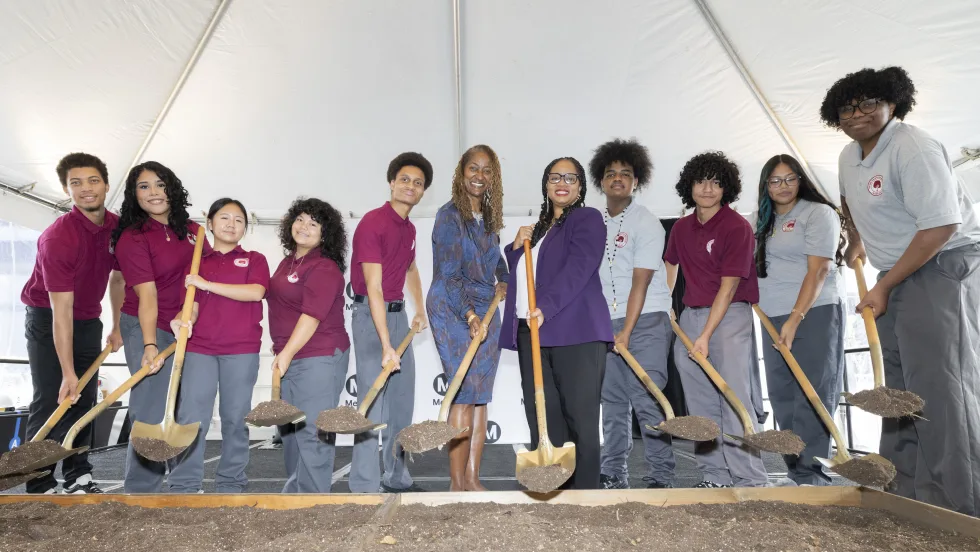
LA Metro Breaks Ground on Vermont BRT Project
The 12.4-mile corridor is projected to serve 66,200 daily riders, reduce travel times by up to 24%, and create the nation's busiest bus rapid transit corridor.
Read More →
Roman Cornell on ABC Companies’ Evolution and the Future of Passenger Transportation
The company’s CEO discusses carrying forward a third-generation family legacy, ABC’s continued evolution in passenger transportation, support for increasingly complex fleets, and how technology and continued investment could help operators improve uptime.
Read More →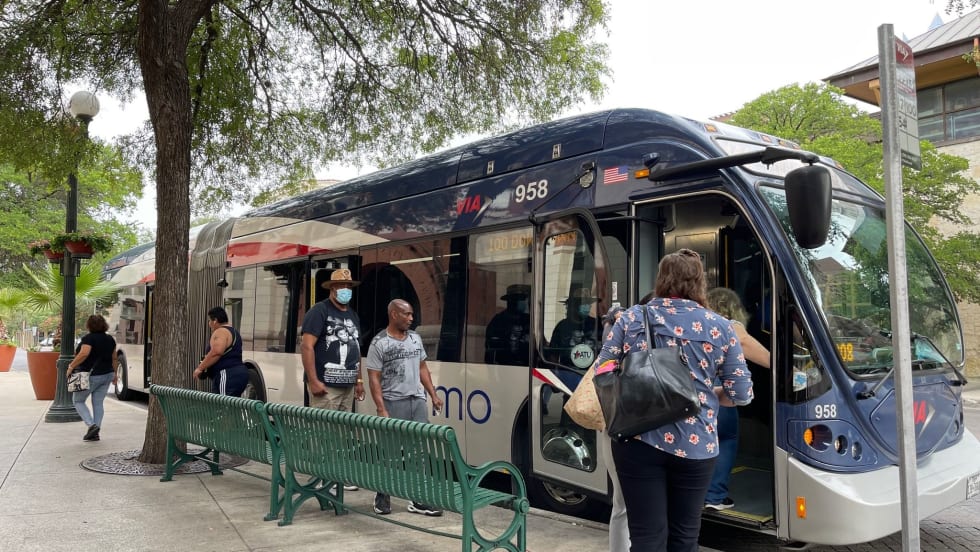
VIA Bus Ridership Grows 10.1% Through August 2026
San Antonio's VIA Metropolitan Transit reported the highest bus ridership growth among major Texas transit systems. Federal Transit Administration data ranked it second among the nation's 50 largest transit systems.
Read More →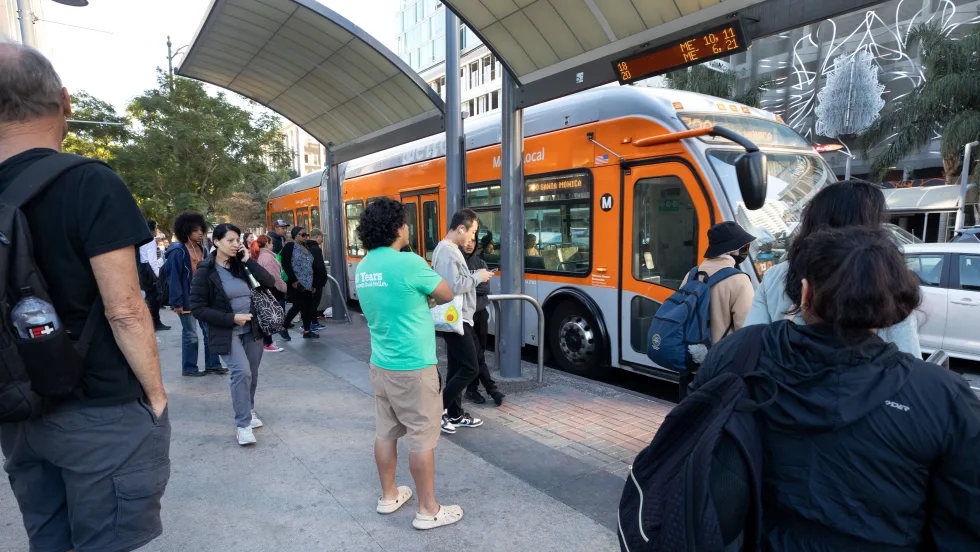
LA Metro September Ridership Climbs 3.9%, Led by Rail Growth
The agency recorded more than 27.2 million boardings, with rail ridership increasing 12.4% year over year and the D Line posting the largest gains.
Read More →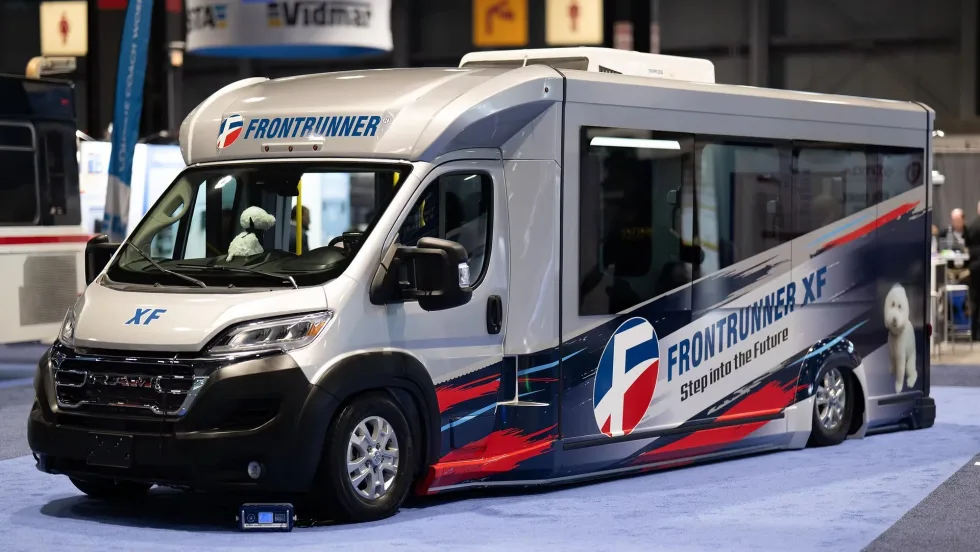
Frontrunner Bus Group Introduces XF Low-Floor Bus with Enhanced Accessibility
The new mid-sized bus features a full flat-floor design, eight-inch curbside step-in height, and zero-entry rear ramp to improve passenger access and operational flexibility.
Read More →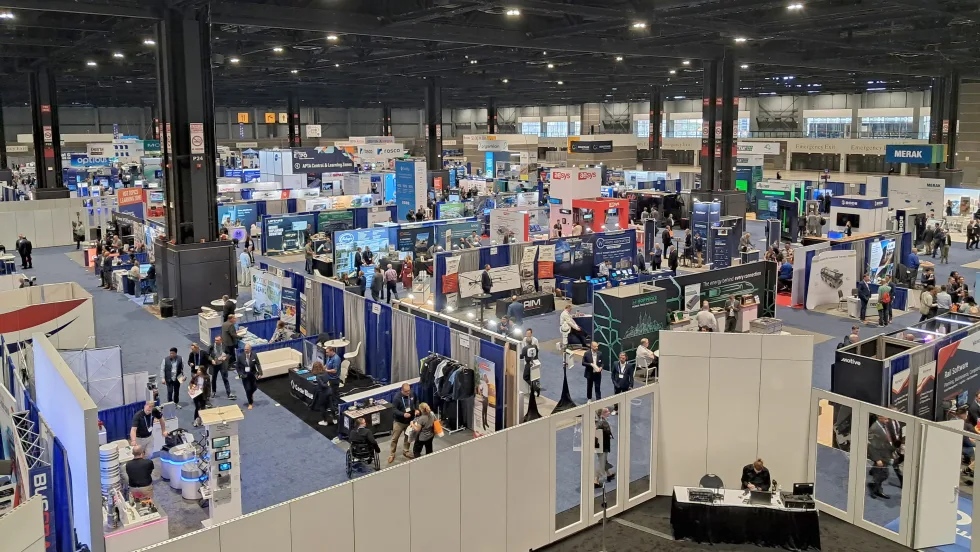
Scenes from APTA TRANSform & EXPO 2026
Transit leaders, manufacturers, and industry professionals gathered in Chicago to explore new technologies, share ideas, and discuss the future of public transportation.
Read More →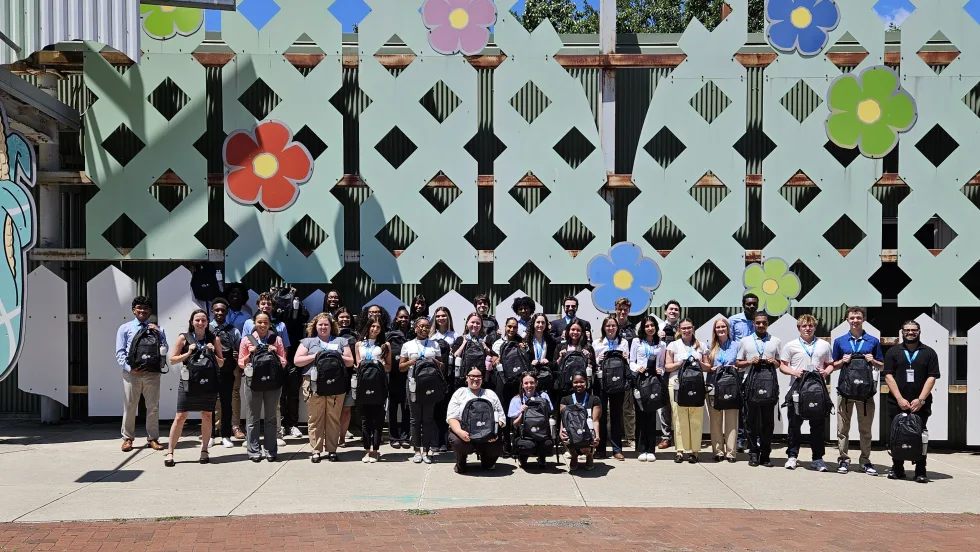
More Than a Summer Job: Building the Next Generation of Transit Talent
The Delaware River Port Authority and PATCO have transformed their internship program into a hands-on professional development experience that introduces students to the breadth of transportation careers — and creates a pipeline for future employees.
Read More →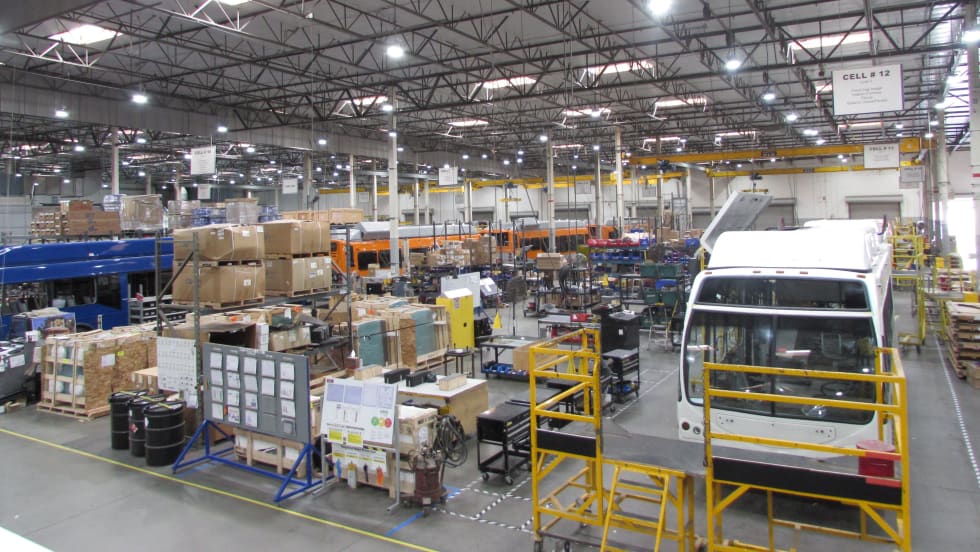
LA Metro Board Awards 220 Battery-Electric Bus Contract to ENC
The contract, which is the largest base award of battery-electric buses by a U.S. transit agency, will be built in Southern California, sustaining good jobs as LA prepares to welcome the world in 2028
Read More →
Public Transit Conference Returning to GFX in 2027, Call for Papers Now Open
The Call for Papers is now open, allowing transit agency professionals and industry experts to help shape the PTC educational program by submitting session ideas for consideration.
Read More →