



D.C. Metro to introduce new 7000-Series railcars in April
The introduction of the first new train will be the most significant milestone to date for a project that has spanned nearly five years from approval and funding, through design and engineering, to testing and certification.

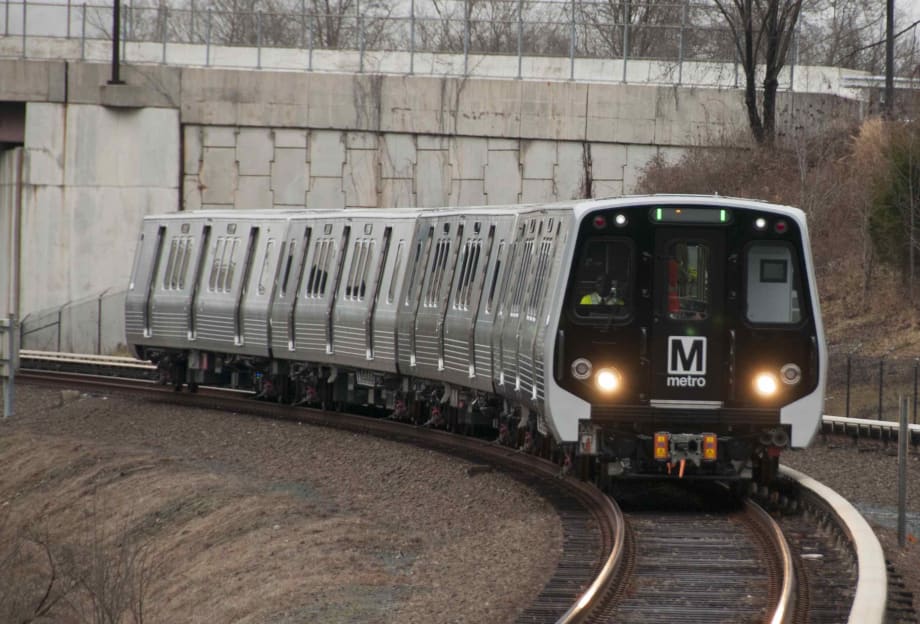
The Washington Metropolitan Area Transit Authority (Metro) announced its first 7000-series train will enter passenger service Tuesday, April 14, on the Blue Line.
The introduction of the first new train will be the most significant milestone to date for a project that has spanned nearly five years from approval and funding, through design and engineering, to testing and certification.
The first train in regular passenger service with eight 7000-series cars will depart from Franconia-Springfield shortly after 7 a.m. on April 14. The Blue Line serves five of Metro’s six jurisdictions: Fairfax County, the City of Alexandria, Arlington County, the District of Columbia and Prince George’s County.
The 7000-series cars feature new technologies that are generations ahead of Metro’s current railcars, all of which were designed to be “backward compatible” with Metro’s oldest cars, the 1000-series. For example, Metro’s current railcars use analog technology for onboard public address announcements, whereas the P.A. systems on 7000-series cars will be entirely digital and feature clear, automated announcements.
“The 7000-series is an entirely new generation of railcars at Metro — a fleet that is, by design, revolutionary as opposed to evolutionary,” said Metro Interim GM/CEO Jack Requa. “The cars were built to maximize safety while providing enhanced rider comfort and reliability. We are excited to welcome riders aboard their new trains.”
Requa noted that the second 7000-series train is already undergoing testing and is expected to quickly follow the first train into passenger service.
Metro has ordered 528 of the new railcars, enough to replace all 1000- and 4000-series cars and expand the size of the Metro fleet by 128 cars. Options to purchase an additional 220 cars at favorable pricing can be exercised if funding is committed by midyear. Metro’s funding jurisdictions have all indicated that they are inclined to support purchasing the additional 220 cars.
Unlike earlier railcar series that can be “mixed and matched” within a single train, the 7000-series cars will operate only with other 7000-series cars, and all of the new trains will all be eight-cars in length. The cars will also be in a “quad-unit configuration,” meaning that the cars will operate in four-car sets, allowing the accommodation of 40 more passengers per eight-car train than in older models because of fewer operator compartments.
The modern rail cars are equipped with state-of-the-art safety technology and features designed with extensive customer input. Through the project’s Customer Design Team, actual Metro riders participated in the design of the new railcars at every phase of the process. In addition, seat design options were tested with Metrorail riders in several stations, and Metro’s Accessibility Advisory Committee and Riders’ Advisory Council provided input.
More Rail
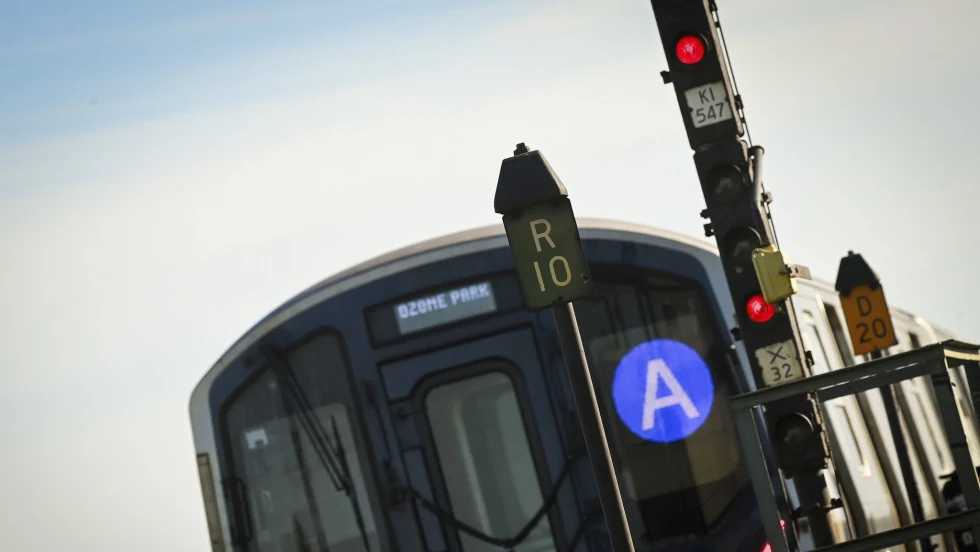
New York MTA Launches Historic $1.9B Signal, Track Modernization Project
Funded in part by congestion pricing revenue, the project will replace nearly century-old signals along the A and C lines in Brooklyn and Queens.
Read More →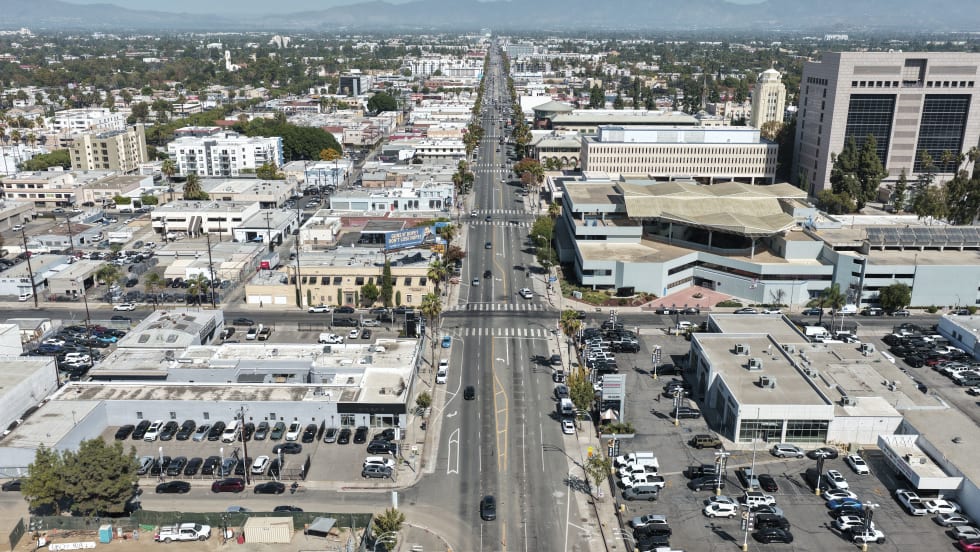
LA Metro Breaks Ground on East San Fernando Valley Light Rail Project
The 6.7-mile line will add 11 stations along Van Nuys Boulevard, expand access to jobs and regional transit connections, and support Metro’s broader efforts to improve mobility as rail ridership grows.
Read More →
CSA Group Releases Climate Resilience Standard for Transit, Passenger Rail
Developed with support from the Standards Council of Canada, CSA D700 guides assessing climate-related risks and planning adaptation measures for transit and passenger rail systems.
Read More →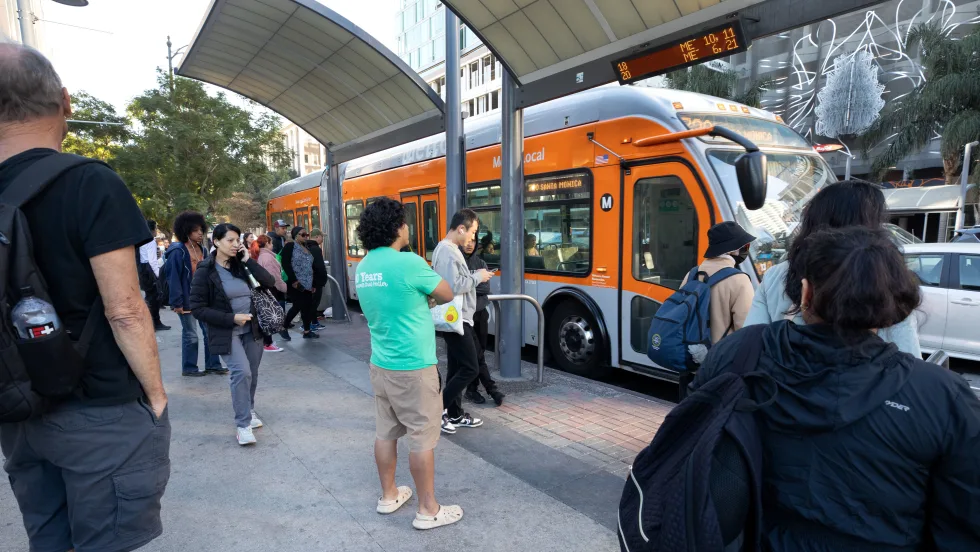
LA Metro September Ridership Climbs 3.9%, Led by Rail Growth
The agency recorded more than 27.2 million boardings, with rail ridership increasing 12.4% year over year and the D Line posting the largest gains.
Read More →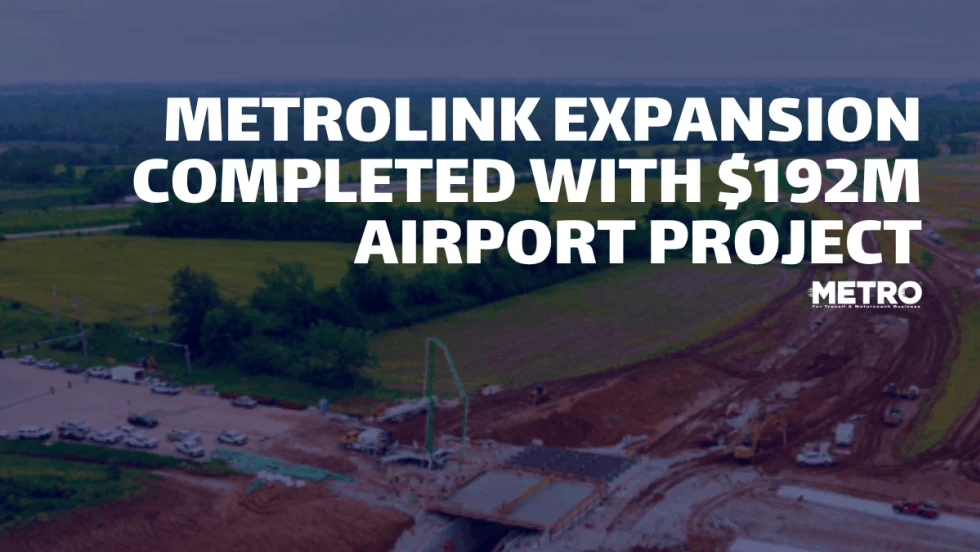
First Full MetroLink Rail Expansion Completed in 20 Years with $192M Airport Project
The project links two St. Louis-area airports by light rail while adding roadway and bike trail connections to improve regional access and mobility.
Read More →
Utilimarc Launches SmartReplace to Optimize Fleet Replacement Decisions
AI-powered SmartReplace helps fleets prioritize vehicle replacements, model budget scenarios, and build more defensible long-term strategies.
Read More →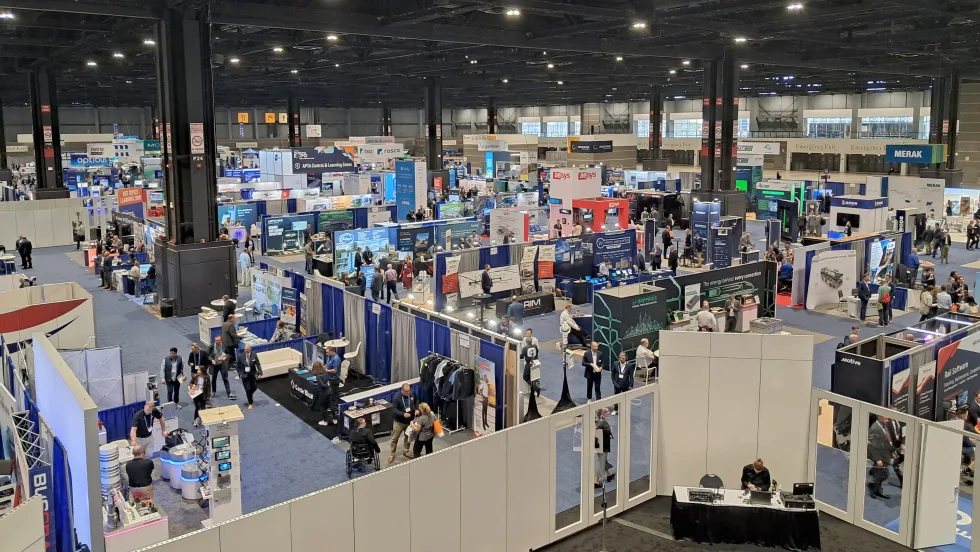
Scenes from APTA TRANSform & EXPO 2026
Transit leaders, manufacturers, and industry professionals gathered in Chicago to explore new technologies, share ideas, and discuss the future of public transportation.
Read More →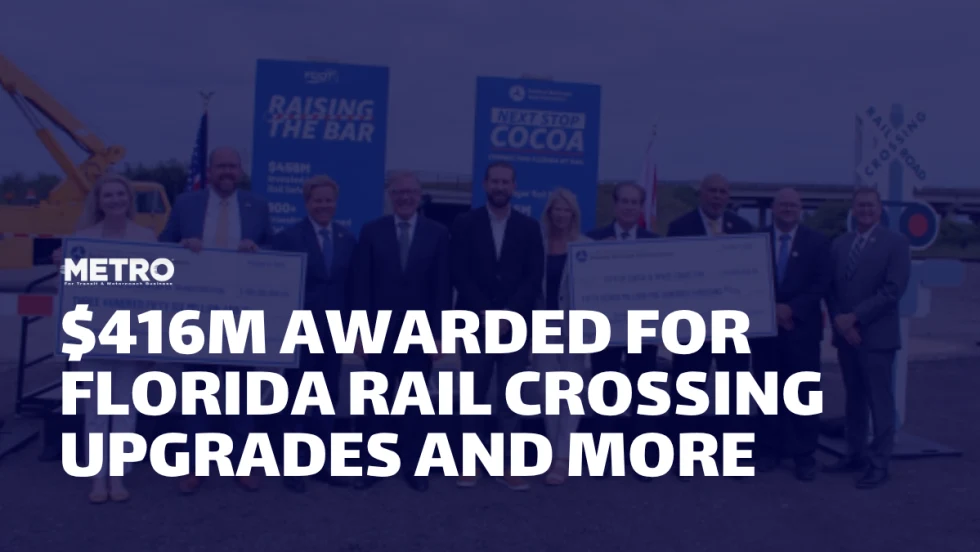
USDOT Awards $416 Million for Florida Rail Crossing Safety Upgrades, New Brightline Station
The projects aim to reduce risks for motorists and pedestrians at rail crossings while expanding passenger rail access along Florida’s Space Coast.
Read More →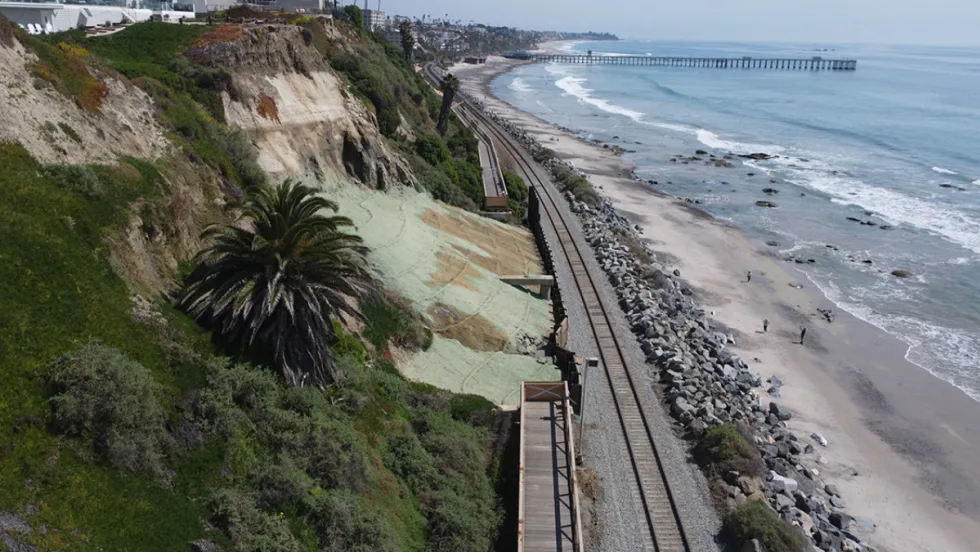
OCTA Declares Emergency to Protect Rail Corridor From Coastal Erosion
The California agency is accelerating shoreline protection and plans to place approximately 690,000 cubic yards of sand along the San Clemente coast to protect a key passenger and freight rail link.
Read More →
More Than a Summer Job: Building the Next Generation of Transit Talent
The Delaware River Port Authority and PATCO have transformed their internship program into a hands-on professional development experience that introduces students to the breadth of transportation careers — and creates a pipeline for future employees.
Read More →